Pest Control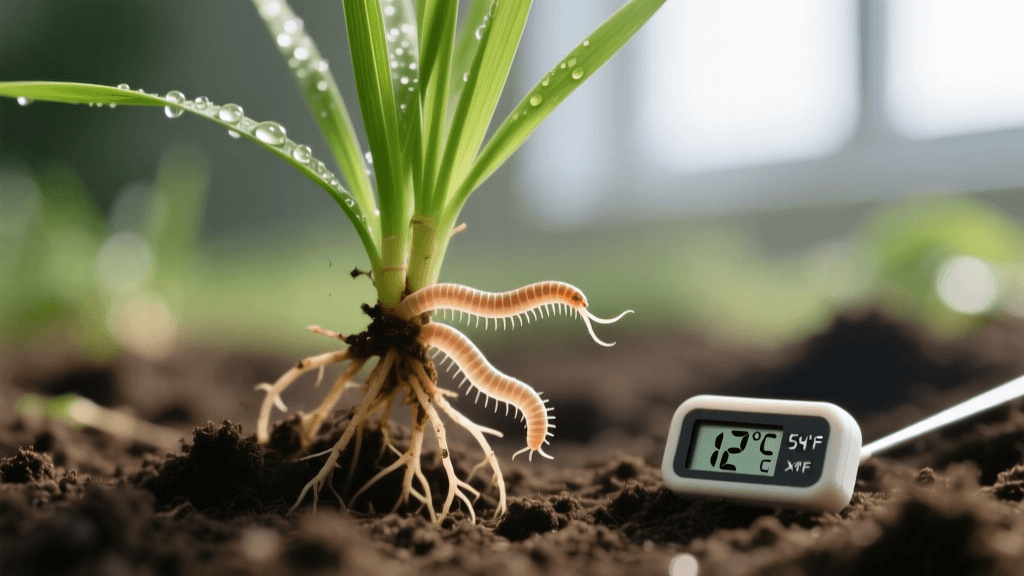
Seasonal Grub Control: Timing Nematodes With Lawn Seeding
The Challenge of Synchronizing Seeding and Pest Control
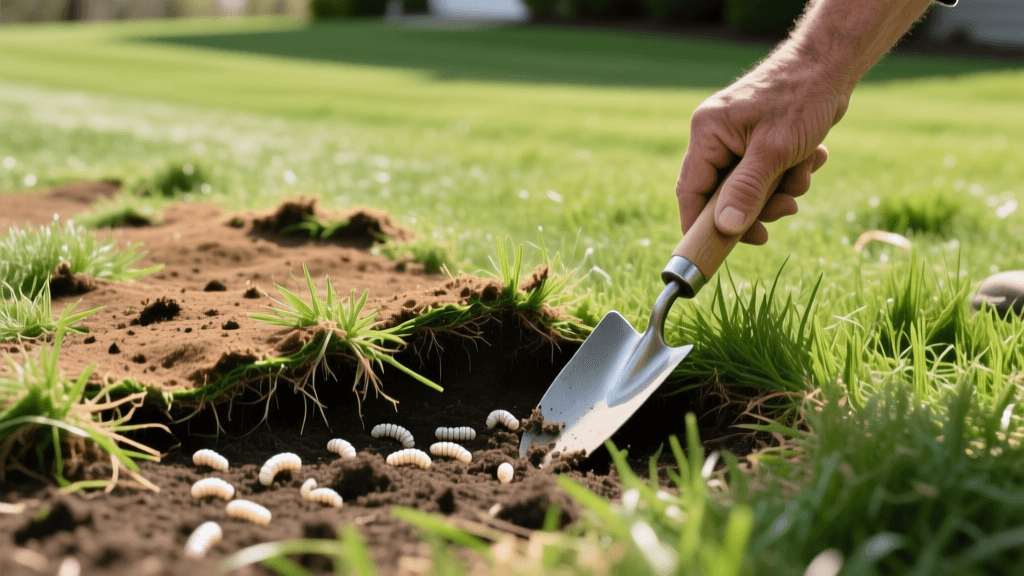
When managing a residential lawn, homeowners often face a frustrating paradox: the ideal time to overseed your turf is often the exact same window when destructive turf pests are at their most vulnerable. White grubs—the larval stage of Japanese beetles, June bugs, and European chafers—can decimate root systems just as new grass seedlings are trying to establish. Traditional chemical grub preventatives often conflict with lawn planting schedules, either because the heavy watering required to activate the chemicals washes away pre-emergent herbicides, or because certain active ingredients pose risks to soil biology during critical seeding phases. This is where Integrated Pest Management (IPM) and precise seasonal timing come into play. By understanding the biological clocks of both your turfgrass and your local pests, you can deploy beneficial nematodes to eradicate grubs without disrupting your planting schedule. According to the Environmental Protection Agency (EPA), IPM focuses on long-term prevention of pests through a combination of techniques such as biological control and habitat manipulation, which is perfectly suited for the delicate balance of seasonal lawn care.
The Conflict Between Seeding and Chemical Pest Control
Most cool-season grasses, such as Kentucky Bluegrass and Tall Fescue, thrive when seeded in early fall (late August to mid-September). The soil is still warm enough to encourage rapid germination, while the cooler air temperatures reduce heat stress on young seedlings. However, this exact timeframe coincides with the early larval stages of white grubs. Grubs hatched in mid-summer are actively feeding on grassroots in early fall to build fat reserves for winter diapause. If you apply a traditional synthetic grub preventative like imidacloprid in late spring, it may degrade before the fall grub generation reaches its peak feeding stage. Conversely, applying a curative chemical like trichlorfon in the fall requires intense irrigation to move the active ingredient into the soil profile. This heavy watering can lead to soil compaction, fungal diseases like Pythium blight in new seedlings, and the disruption of delicate seed-to-soil contact required for germination.
Beneficial Nematodes: The Biological Solution
To bridge the gap between effective pest control and optimal planting schedules, turf managers and homeowners are increasingly turning to entomopathogenic (insect-killing) nematodes. Specifically, the species Heterorhabditis bacteriophora (often abbreviated as Hb) is a microscopic, unsegmented roundworm that actively hunts down white grubs in the soil. Once a nematode enters a grub through natural body openings, it releases a symbiotic bacteria (Photorhabdus luminescens) that kills the host within 48 hours. The nematodes then reproduce inside the dead grub, releasing thousands of new infective juveniles into the surrounding soil to hunt for more prey. Penn State Extension notes that beneficial nematodes are entirely safe for humans, pets, earthworms, and plants, making them the ultimate companion for lawn seeding. Because they are living organisms, however, their success is entirely dependent on precise seasonal timing, soil temperatures, and moisture levels.
Understanding the Seasonal Grub Lifecycle
To time your nematode application, you must understand the target pest. The University of Minnesota Extension outlines that most turf-destroying grubs follow a one-year life cycle. Adult beetles emerge in early summer (June/July), mate, and lay eggs in the turf canopy. These eggs hatch in late July to August, resulting in tiny, first-instar grubs. By September, these grubs have grown into second and third instars, consuming massive amounts of root tissue. This September window is the sweet spot for nematode application because the grubs are large enough to provide a good breeding ground for nematodes, but small enough to be easily killed before they cause visible turf die-back.
Seasonal Grub Lifecycle and Nematode Timing Chart
| Season | Grub Life Stage | Lawn Planting Activity | Nematode Efficacy & Action |
|---|---|---|---|
| Spring (April - May) | Overwintering 3rd instar (waking up) | Spring overseeding / patch repair | Low efficacy. Grubs are mature and preparing to pupate. Do not apply. |
| Early Summer (June - July) | Pupation & Adult emergence | Warm-season grass planting | No grubs in soil. Nematode application is a waste of resources. |
| Late Summer (Aug - Early Sept) | Egg hatch & 1st instar larvae | Early fall cool-season seeding prep | Moderate efficacy. Grubs are very small. Preventative chemical window. |
| Early Fall (Mid Sept - Oct) | 2nd & 3rd instar (heavy feeding) | Prime cool-season overseeding window | HIGH efficacy. Ideal time for Hb nematodes. Safe for new grass seed. |
Step-by-Step Nematode Application for Fall Overseeding
Synchronizing your nematode application with your fall seeding schedule requires careful planning. Here is the actionable protocol for treating a standard 5,000 square foot lawn while establishing new grass seed.
Step 1: Timing and Soil Temperature
Nematodes are highly sensitive to temperature. They require soil temperatures between 55°F and 85°F to remain active and infective. In most northern and transitional zones, mid-September provides the perfect soil temperature (around 65°F). You must apply nematodes either early in the morning or late in the evening. Ultraviolet (UV) light from the midday sun will kill exposed nematodes within minutes.
Step 2: Product Selection and Hydration
Purchase fresh, refrigerated Heterorhabditis bacteriophora from a reputable biological control supplier (brands like NemaSeek or BioSafe). For a 5,000 sq. ft. lawn, you will need approximately 5 to 10 million nematodes, which typically costs between $40 and $70. Because they are shipped in a dormant state within a clay or gel carrier, you must rehydrate them. Mix the nematode powder or sponge into a bucket of cool, distilled water (chlorine in tap water can kill them). Let the mixture sit for 10 to 15 minutes, stirring gently to break up clumps.
Step 3: Soil Preparation and Seeding Synergy
Before seeding and applying nematodes, mow the existing lawn short and perform core aeration. Aeration serves a dual purpose: it creates ideal crevices for grass seed to fall into, and it provides direct, protected pathways for nematodes to enter the soil profile, bypassing the thatch layer where they can dry out and die.
Step 4: Application and Irrigation
Apply the nematode solution using a hose-end sprayer specifically designed for biologicals (one with a wide nozzle and no fine mesh screens that could shear the nematodes). Spray the lawn evenly. Immediately after application, you must water the lawn with approximately 1/4 inch of water. This washes the nematodes off the grass blades and deep into the soil where the grubs live. Crucial Planting Synergy: This required post-application watering is perfectly aligned with the needs of newly sown grass seed. By broadcasting your grass seed immediately before the nematode application, the subsequent watering will simultaneously wash the nematodes into the soil and provide the initial, vital moisture required to trigger seed germination. Keep the soil consistently moist for the next 10 days to ensure both seedling survival and nematode mobility.
What to Avoid During the Application Window
To ensure your IPM strategy succeeds, you must avoid introducing antagonistic chemicals into the soil during the seeding and nematode application window.
- Avoid Copper-Based Fungicides: Copper is highly toxic to nematodes. If you are treating your new seedlings for fungal issues, avoid copper-based products for at least two weeks before and after nematode application.
- Delay High-Nitrogen Synthetic Fertilizers: While starter fertilizers are common for seeding, high-salt synthetic fertilizers can create an osmotic imbalance in the soil that dehydrates and kills nematodes. Opt for organic, slow-release starter fertilizers (like bone meal or kelp-based products) when combining seeding with nematode treatments.
- Do Not Use Broad-Spectrum Insecticides: Products containing bifenthrin or carbaryl will indiscriminately kill your beneficial nematodes along with the target grubs.
Spring Seeding Considerations
While fall is the premier season for cool-season grass planting and grub control, spring seeding presents a different timeline. If you must plant in the spring (April/May), grub control is generally not the immediate priority, as overwintered grubs are near the end of their life cycle and will soon pupate into adult beetles. Applying nematodes in the spring is largely ineffective and economically wasteful. Instead, focus your spring IPM efforts on soil health, proper mowing heights (3 to 4 inches to shade out weed seeds), and preparing for a late-summer preventative strategy. If you have a severe history of spring root damage from overwintered grubs, you may apply a fast-acting curative chemical like trichlorfon, but be aware that this may temporarily disrupt the soil microbiome essential for your new spring seedlings.
Conclusion
Mastering the intersection of seasonal timing, planting schedules, and pest control is the hallmark of a sophisticated lawn care regimen. By leveraging the biological warfare of Heterorhabditis bacteriophora nematodes, you can protect your turf's root system from devastating white grubs without resorting to harsh chemicals that compromise your soil ecology or interfere with grass seed germination. Remember to monitor local soil temperatures, synchronize your aeration and seeding routines with your evening nematode applications, and maintain optimal soil moisture. Through careful planning and adherence to IPM principles, your lawn will emerge from the fall season deeply rooted, pest-free, and lush.