Lawn Care
The Ultimate Seasonal Lawn Care Guide: Year-Round Maintenance Tips
Achieving a lush, vibrant, and weed-free lawn is not a one-time event; it is a year-round commitment that requires adapting your maintenance routine to the changing seasons. Grass is a living organism that responds dynamically to temperature fluctuations, rainfall patterns, and daylight hours. Whether you are nurturing cool-season grasses like Kentucky Bluegrass and Fescue, or tending to warm-season grasses like Bermuda and Zoysia, understanding the seasonal cycle of your turf is the foundation of a beautiful landscape.
In this comprehensive seasonal lawn care guide, we will break down the essential tasks you need to perform during spring, summer, fall, and winter. By following these actionable steps, utilizing the right tools, and timing your applications perfectly, you can build a resilient root system, fend off weeds and pests, and enjoy a pristine yard every single year.
Spring Lawn Care: Awakening & Prepping Your Turf
Spring is a time of renewal. As soil temperatures begin to rise, your lawn wakes up from its winter slumber and enters a period of rapid growth. However, this is also the exact time when weeds begin to germinate and fungal diseases can take hold if the lawn is not properly prepped. Your primary goals in spring are to clean up winter debris, prevent weeds, and encourage steady, healthy growth without pushing the grass too hard.
Actionable Spring Steps
- Rake and Dethatch: Once the ground has dried out and the grass begins to green up, give your lawn a vigorous raking. This removes dead grass blades, winter debris, and any snow mold that may have formed. If your thatch layer is thicker than half an inch, consider renting a power dethatcher to allow water and nutrients to penetrate the soil.
- Conduct a Soil Test: Before applying any amendments, use a soil testing kit to determine your lawn's pH and nutrient levels. Most turfgrasses thrive in slightly acidic soil (pH 6.0 to 7.0). If your soil is too acidic, apply lime; if it is too alkaline, apply sulfur.
- Apply Pre-Emergent Herbicides: To stop crabgrass and other summer annual weeds before they start, apply a pre-emergent herbicide. The ideal timing is when soil temperatures consistently reach 55°F at a depth of two inches. This creates a chemical barrier in the top layer of soil that prevents weed seeds from germinating.
- Start Mowing Correctly: For the first mow of the season, you can drop your mower blade slightly lower than your target height to remove the brown, dormant tips of the grass blades. This allows sunlight to reach the soil and warm it up faster. After the first cut, immediately raise the blade to the recommended height for your specific grass type.
Spring Timing Tips
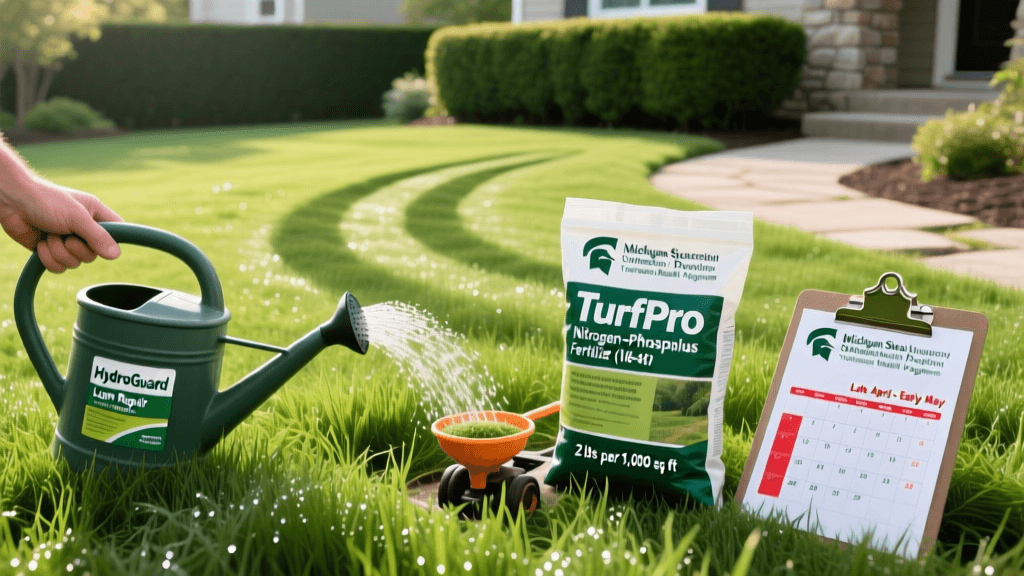
Avoid the temptation to fertilize too early. Applying high-nitrogen fertilizer in early spring forces the grass to push out tender top growth at the expense of deep root development. Instead, rely on the residual nutrients from your late-fall applications. Save your first heavy spring feeding for late spring (usually around late May), when the grass has naturally greened up and is ready to sustain rapid growth. For more detailed feeding schedules, check out our guide on the best lawn fertilizers.
Summer Lawn Care: Surviving the Heat & Drought
Summer brings intense heat, high humidity, and potential drought conditions, all of which place immense stress on your lawn. Cool-season grasses, in particular, will naturally slow their growth and may even enter a state of dormancy to survive extreme heat. The focus during the summer months shifts from promoting growth to protecting the existing turf, conserving moisture, and managing pests.
Actionable Summer Steps
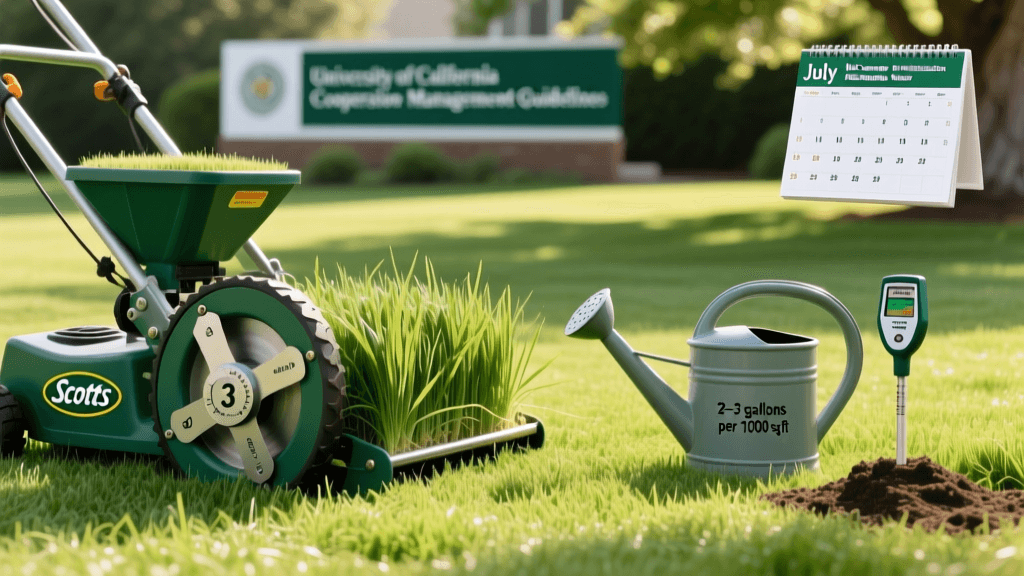
- Raise Your Mowing Height: Taller grass shades the soil, reducing moisture evaporation and keeping the root zone cooler. Raise your mower deck to 3 or 4 inches for cool-season grasses, and 1.5 to 2.5 inches for warm-season varieties. Always follow the one-third rule: never remove more than one-third of the grass blade in a single mowing. For a deeper dive, read our mowing best practices guide.
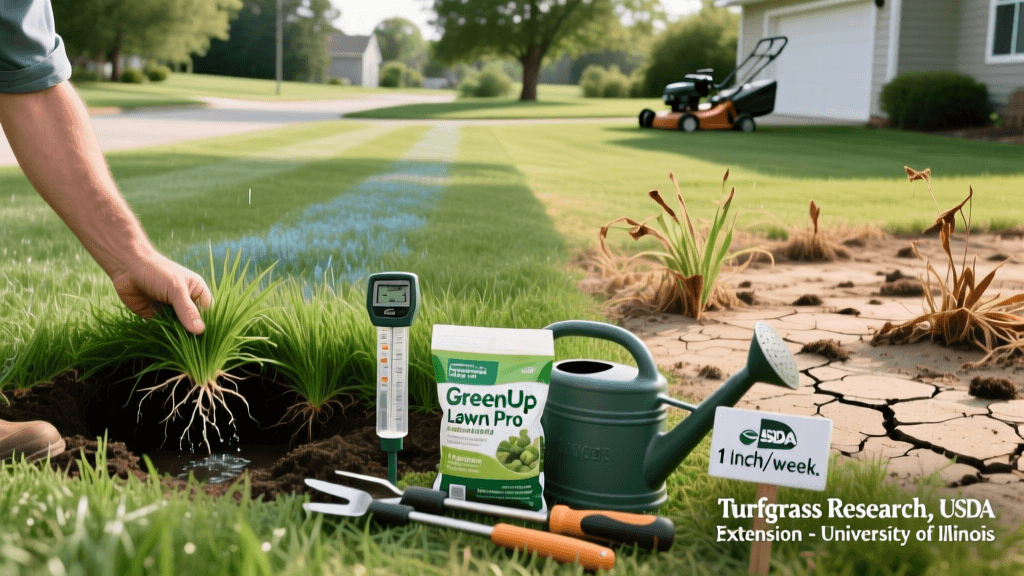
- Water Deeply and Infrequently: Lawns generally need 1 to 1.5 inches of water per week during the summer. Instead of watering a little bit every day, water deeply two or three times a week. This encourages roots to grow deeper into the soil in search of moisture, making your lawn far more drought-resistant. Always water in the early morning (between 4 AM and 8 AM) to minimize evaporation and prevent fungal diseases. Learn more in our watering guide.
- Monitor for Pests and Grubs: Summer is prime time for lawn-destroying insects like grubs, chinch bugs, and sod webworms. If you notice irregular brown patches that do not recover with watering, inspect the soil line. If grubs are present, apply a targeted curative grub control product immediately.
- Keep Blades Sharp: Dull mower blades tear the grass rather than cutting it cleanly. Torn grass tips turn brown, giving the lawn a dull, whitish appearance and making it highly susceptible to disease. Sharpen your mower blades at least once in the middle of the summer season.
Summer Timing Tips
If your cool-season lawn goes dormant and turns brown due to severe drought, do not panic. Dormancy is a natural survival mechanism. However, you should still provide about half an inch of water every two weeks to keep the crowns of the grass plants alive. Avoid heavy foot traffic and postpone any aggressive lawn care tasks like aeration or dethatching until the cooler fall months.
Fall Lawn Care: The Most Critical Season for Growth
While many homeowners view spring as the most important time for lawn care, turfgrass experts universally agree that fall is the most critical season. The combination of warm soil, cool air temperatures, and increased autumn rainfall creates the perfect environment for deep root growth, seed germination, and nutrient storage. What you do in the fall dictates how your lawn will look the following spring.
Actionable Fall Steps
- Core Aeration: Over the summer, foot traffic and heavy mowing can compact the soil, restricting the flow of oxygen, water, and nutrients to the roots. Rent a core aerator to pull small plugs of soil from the ground. This relieves compaction and creates channels for essential resources. Read our complete lawn aeration guide for step-by-step instructions.
- Overseed Thin Areas: Immediately after aerating, overseed your lawn to fill in bare patches and thicken the turf. The aeration holes provide perfect seed-to-soil contact. Choose a high-quality seed blend that matches your existing grass and climate. Keep the seed consistently moist until it germinates. For detailed seeding strategies, visit our overseeding guide.
- Apply Fall Fertilizer: Fall is the time to apply a winterizer fertilizer. Look for a blend that is lower in nitrogen but higher in potassium. Potassium acts like antifreeze for the grass, strengthening the cell walls and helping the turf withstand winter freezing and thawing cycles. The grass will store these nutrients in its root system, resulting in an explosive green-up next spring.
- Manage Fallen Leaves: A thick layer of wet leaves will smother your grass, block sunlight, and invite snow mold. Instead of spending hours raking and bagging, use a mulching mower to chop the leaves into dime-sized pieces. These leaf mulch will decompose rapidly, returning valuable organic matter and nitrogen to the soil.
Fall Timing Tips
Timing your aeration and overseeding is crucial. For cool-season grasses, aim to perform these tasks about 45 to 60 days before your region's average first frost date. This gives the new seedlings enough time to establish a robust root system before the ground freezes. For warm-season grasses, fall is generally not the time for overseeding, unless you are overseeding a dormant Bermuda lawn with annual ryegrass for winter color.
Winter Lawn Care: Dormancy & Planning Ahead
Winter is a time of rest for your lawn, but it is an excellent time for the homeowner to plan, maintain equipment, and protect the dormant turf from unnecessary damage. While the grass is not actively growing, the root system remains alive and vulnerable to extreme environmental shifts.
Actionable Winter Steps
- Minimize Foot Traffic: When the ground is frozen or covered in frost, the grass blades become brittle. Walking on a frost-covered lawn can snap the blades and damage the crown, leading to dead patches that will be highly visible once the grass greens up in spring. Keep pathways clear and avoid taking shortcuts across the yard.
- Prevent Snow Mold: If you live in a region with heavy snowfall, avoid piling snow from driveways and walkways onto the lawn. Deep, compacted snow piles take much longer to melt in the spring, creating a damp, dark environment where snow mold fungi thrive. Spread the snow out evenly to encourage faster melting.
- Winterize Irrigation Systems: Before the first hard freeze, it is imperative to blow out your underground sprinkler system using an air compressor. Any water left in the pipes or sprinkler heads will freeze, expand, and crack the PVC or polyethylene lines, resulting in costly repairs.
- Maintain Your Equipment: Use the winter downtime to service your lawn care tools. Drain the gas from your mower or add a fuel stabilizer, change the oil, clean the undercarriage, and sharpen the blades. A well-maintained mower will be ready to tackle the first spring cut without hesitation.
Winter Timing Tips
If you have warm-season grass that has gone fully dormant and turned brown, you can apply a post-emergent herbicide to target winter annual weeds like henbit and chickweed without harming the dormant turf. Always check the herbicide label to ensure it is safe for use on dormant warm-season grasses.
Essential Tools & Products for Year-Round Success
You cannot execute a proper seasonal lawn care plan without the right equipment. Investing in high-quality tools will save you time, money, and frustration over the long term.
- Quality Lawn Mower with Mulching Capabilities: Whether you prefer a gas-powered, battery-electric, or corded model, ensure your mower has a sharp, high-lift blade and a dedicated mulching plug. Mulching returns vital nutrients to the soil and reduces the need for synthetic fertilizers.
- Broadcast Spreader: A walk-behind broadcast spreader is essential for evenly distributing grass seed, granular fertilizers, and pre-emergent herbicides. Look for a model with an adjustable flow rate and a wide spread pattern to prevent striping and overlapping errors.
- Core Aerator: While you can rent a heavy-duty core aerator from a local hardware store for a day, homeowners with large properties might consider purchasing a tow-behind aerator for their riding tractor. Avoid spike aerators, as they can actually increase soil compaction around the holes.
- Oscillating Sprinkler & Rain Gauge: If you do not have an in-ground irrigation system, a high-quality oscillating sprinkler paired with a simple rain gauge is the most cost-effective way to ensure your lawn receives exactly one inch of water per week without overwatering.
Frequently Asked Questions
How often should I fertilize my lawn throughout the year?
The frequency of fertilization depends heavily on your grass type and the specific product you are using. Generally, cool-season grasses benefit from two to four applications per year, with the heaviest feeding occurring in the early and late fall. Warm-season grasses thrive with three to four feedings spaced out from late spring through late summer. Always rely on a soil test to dictate your exact nutrient needs, and opt for slow-release granular fertilizers to provide a steady, even feed that prevents rapid, weak growth spurts.
What is the best time to aerate and overseed?
You should always aerate and overseed during your grass's peak growing season so the turf can recover quickly and the seeds can establish before environmental stress sets in. For cool-season grasses (like Fescue, Rye, and Bluegrass), early fall is the absolute best time. For warm-season grasses (like Bermuda, Zoysia, and Centipede), late spring to early summer is the ideal window, just as the grass is coming out of dormancy and entering its most aggressive growth phase.
Should I water my lawn during the winter months?
In most climates, natural precipitation (rain and melting snow) provides more than enough moisture for a dormant lawn during the winter. However, if you live in a region that experiences mild, dry winters with little to no rainfall or snow cover, your lawn can suffer from winter desiccation. In these specific scenarios, providing a deep watering once every three to four weeks when the air temperature is above 40°F will help keep the root crowns hydrated and prevent winter kill.
How do I know if I have cool-season or warm-season grass?
Your geographic location is the biggest clue. Cool-season grasses dominate the northern two-thirds of the United States and transition zones; they stay green during the cool months of spring and fall but often turn brown during peak summer heat. Common varieties include Kentucky Bluegrass, Tall Fescue, and Perennial Ryegrass. Warm-season grasses thrive in the southern third of the country; they love intense summer heat but go completely dormant and brown during the winter. Common varieties include Bermuda, St. Augustine, Zoysia, and Centipede grass.
When should I apply pre-emergent weed control?
Timing is everything when it comes to pre-emergent herbicides. The product must be applied and watered into the soil before the weed seeds germinate. For spring application to stop crabgrass, apply when soil temperatures at a two-inch depth consistently reach 55°F for several consecutive days—this usually coincides with the blooming of forsythia bushes in your area. For fall application to stop winter annual weeds like Poa annua, apply the pre-emergent in late summer when soil temperatures drop below 70°F. For a comprehensive breakdown of weed management, consult our complete weed control guide.