
Lawn Care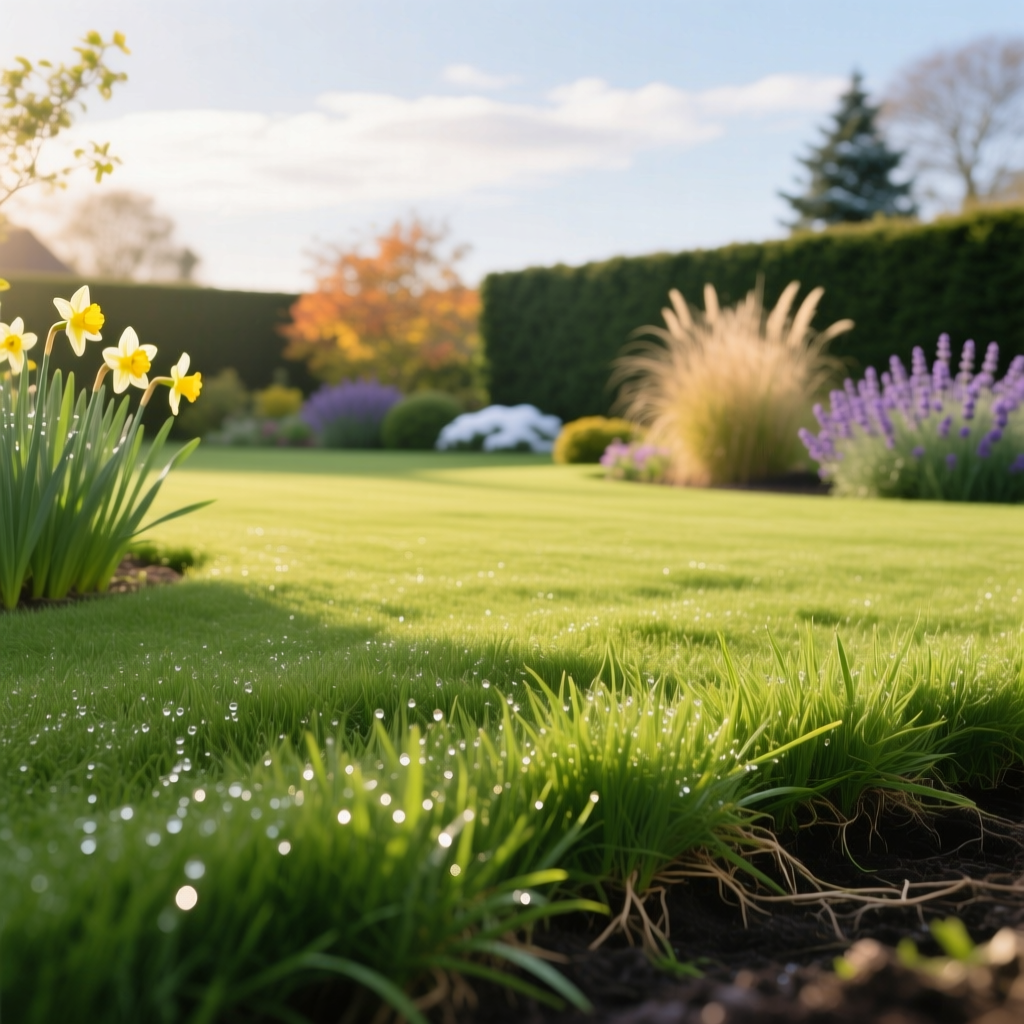
Seasonal Lawn Care Reviews: The Ultimate Year-Round Strategy Guide
Mike RodriguezPublished
Achieving a lush, vibrant, and resilient lawn is not the result of a single weekend of hard work; it is the culmination of a meticulously planned, year-round strategy. Turfgrass science has evolved significantly, and modern lawn care requires a proactive approach that adapts to the changing environmental conditions of each season. In this comprehensive guide, we provide in-depth seasonal lawn care reviews, evaluating the most effective strategies, tools, and products required to maintain optimal turf health from the first thaw of spring to the deep freeze of winter.
Whether you are cultivating a cool-season turf like Kentucky bluegrass or a warm-season variety like Bermuda grass, understanding the biological needs of your lawn during each phase of the year is critical. Below, we review the essential tasks, timing, and equipment recommendations for every season, helping you make informed decisions that save time, money, and effort.
Spring Lawn Care Review: Awakening Your Turf
Spring is the season of renewal, but it is also a critical window for preventing future problems. The primary goal in spring is to wake up the soil, encourage deep root growth, and establish a defensive barrier against weeds before they germinate. Our review of spring lawn care strategies focuses on soil temperature monitoring, pre-emergent applications, and early-season cleanup.
Actionable Steps and Timing
The most common mistake homeowners make in spring is applying treatments based on the calendar rather than soil temperature. Pre-emergent herbicides must be applied when soil temperatures at a depth of two inches consistently reach 50 to 55 degrees Fahrenheit. Applying too early results in the chemical barrier breaking down before the main weed flush; applying too late allows crabgrass and other invasive species to germinate.
- Soil Testing: Begin the season with a comprehensive soil test to determine pH and nutrient deficiencies. Adjusting pH with lime or sulfur in early spring sets the stage for optimal nutrient uptake.
- Dethatching and Cleanup: Gently rake the lawn to remove winter debris and dead grass blades. This improves air circulation and allows sunlight to reach the soil surface, promoting faster green-up.
- The First Mow: Set your mower slightly lower than your target summer height for the first cut to remove dead tips and encourage lateral growth. Bag the clippings on this first pass to prevent smothering new shoots.
Product and Tool Recommendations
When reviewing weed control strategies for spring, the choice of pre-emergent is paramount. Products containing prodiamine offer long-lasting residual control and are highly effective for early spring applications. Conversely, dithiopyr provides both pre-emergent and early post-emergent control, making it an excellent choice if you have missed the strict early-spring window and need to catch young crabgrass seedlings.
For dethatching, manual thatching rakes are suitable for small lawns, but for larger properties, investing in a power dethatcher or renting a vertical mower will save hours of backbreaking labor. Ensure the tines are set to barely scratch the soil surface to avoid tearing out healthy turf roots.
Summer Lawn Care Review: Surviving the Heat and Drought
Summer presents the most stressful environmental conditions for your lawn. High temperatures, intense UV radiation, and sporadic rainfall can push turfgrass to its limits. The focus during this season shifts from growth promotion to survival and stress mitigation. Our summer lawn care review emphasizes proper irrigation techniques, strategic mowing, and proactive pest management.
Actionable Steps and Timing
Watering is the most critical component of summer lawn care, yet it is frequently misunderstood. Turfgrass requires deep, infrequent watering to encourage roots to grow downward in search of moisture. Watering lightly every day promotes shallow root systems that are highly susceptible to drought stress and heat damage.
- Deep Irrigation: Aim to provide 1 to 1.5 inches of water per week, including rainfall. Water deeply early in the morning (between 4 AM and 8 AM) to minimize evaporation and reduce the risk of fungal diseases that thrive in prolonged moisture.
- Raising the Mowing Height: Increase your mower deck to the highest recommended setting for your specific grass type. Taller grass blades shade the soil, reducing moisture evaporation and keeping the root zone cooler.
- Limiting Foot Traffic: During periods of extreme heat and drought, grass loses its turgor pressure and cannot easily bounce back from physical damage. Minimize heavy foot traffic and avoid parking on the turf.
Product and Tool Recommendations
Upgrading your irrigation system is one of the highest-ROI investments you can make. Modern smart irrigation controllers that connect to local weather stations automatically adjust watering schedules based on real-time evapotranspiration rates and rainfall data. These devices prevent overwatering and ensure your lawn receives exactly what it needs.
Summer is also the season for grub activity. Reviewing preventative grub control options, products containing chlorantraniliprole are highly regarded for their safety profile and long residual activity when applied in early summer. If you discover an active infestation later in the season, a curative treatment containing trichlorfon is necessary to halt the damage immediately.
Fall Lawn Care Review: Preparing for Dormancy and Root Growth
Ask any turfgrass expert, and they will tell you that fall is the most important season for lawn care, particularly for cool-season grasses. The combination of warm soil and cool air creates the perfect environment for seed germination and massive root expansion. Our fall lawn care review covers the heavy lifting of aeration, overseeding, and winterizing.
Actionable Steps and Timing
The timing for fall tasks is dictated by the cooling of the air and the first anticipated frost. You want to complete major renovations at least six to eight weeks before the ground freezes solid, giving new grass ample time to establish a robust root system.
- Core Aeration: Compacted soil suffocates roots and prevents water infiltration. Core aeration pulls small plugs of soil from the ground, relieving compaction and allowing oxygen, water, and nutrients to reach the root zone.
- Overseeding: Immediately following aeration, overseeding introduces new, disease-resistant grass varieties to your lawn. The aeration holes provide perfect seed-to-soil contact, drastically improving germination rates.
- Fall Fertilization: Apply a high-quality winterizer fertilizer in late fall. This application is designed to be stored in the root system over the winter, providing the energy needed for a rapid, aggressive green-up the following spring.
Product and Tool Recommendations
When reviewing aeration equipment, tow-behind plug aerators are popular for homeowners with riding mowers, but they require significant weight (often concrete blocks) to penetrate deeply. For superior results, renting a walk-behind commercial core aerator is highly recommended. These heavy, gas-powered machines pull deep, consistent cores without the need for added weights.
For fall fertilization, look for lawn fertilizers with a high nitrogen content and a blend of quick-release and slow-release nitrogen. The quick-release portion provides immediate energy for root growth, while the slow-release portion feeds the turf gradually as soil temperatures drop. Avoid high-phosphorus fertilizers unless a soil test specifically indicates a deficiency, as excess phosphorus can run off into local waterways.
Winter Lawn Care Review: Protecting the Crown and Equipment
While the grass may be dormant, winter lawn care is far from over. The focus shifts from active turf management to protection and preparation. Winter is the time to safeguard the crown of the grass plant from physical damage and to maintain the equipment that will be vital in the spring.
Actionable Steps and Timing
Dormant turf is incredibly vulnerable to crown damage. The crown is the growing point of the grass plant, located at the soil surface. If the crown is crushed or killed during winter, that section of the lawn will not recover in the spring.
- Traffic Control: Avoid walking on frost-covered grass. The ice crystals inside the plant cells can puncture the cell walls when stepped on, causing irreversible damage.
- Snow Management: When shoveling or snow-blowing, avoid piling massive mounds of snow onto the lawn edges. Deep snow piles take much longer to melt in the spring, leading to snow mold and prolonged soil saturation.
- Equipment Winterization: Drain fuel from mowers and trimmers, or add a high-quality fuel stabilizer. Run the engine for five minutes to circulate the stabilized fuel through the carburetor. Clean the undercarriage, sharpen the blades, and change the oil.
Product and Tool Recommendations
One of the most common winter hazards to lawns is the use of harsh ice-melting chemicals on adjacent driveways and walkways. Traditional rock salt (sodium chloride) is highly toxic to turfgrass and causes severe soil compaction and desiccation. We strongly recommend reviewing and switching to lawn-safe ice melts. Products based on calcium magnesium acetate (CMA) are biodegradable, non-corrosive, and safe for pets, concrete, and dormant turfgrass.
For equipment maintenance, investing in a comprehensive mower maintenance kit—including a torque wrench, spark plug socket, and a dedicated blade balancer—ensures your equipment is ready to deliver a clean, precise cut the moment spring arrives.
Evaluating Seasonal Lawn Care Services vs. DIY Approaches
A critical part of planning your year is deciding whether to execute these seasonal tasks yourself or hire a professional lawn care service. Both approaches have distinct advantages, and the right choice depends on your budget, available time, and the scale of your property.
The DIY Approach: Managing your own lawn provides complete control over the products used and can be highly rewarding. It is generally more cost-effective for smaller properties. However, it requires a significant investment in equipment (spreaders, aerators, sprayers) and a steep learning curve regarding turfgrass biology, chemical safety, and precise application timing. Misapplying herbicides or fertilizers can result in chemical burn or environmental harm.
Professional Services: Hiring a licensed lawn care company provides access to commercial-grade products that are often more effective and longer-lasting than consumer-grade alternatives found in retail stores. Professionals carry the liability insurance and licensing required to handle restricted-use chemicals safely. While the upfront cost is higher, the return on investment is often realized through a consistently healthier lawn, increased property value, and the reclamation of your personal time.
For many homeowners, a hybrid approach works best: handling mowing, irrigation, and basic cleanup in-house, while outsourcing complex chemical applications, core aeration, and large-scale overseeding to professionals.
Frequently Asked Questions About Seasonal Lawn Care
How do I know which seasonal schedule to follow for my specific grass type?
Your seasonal schedule is entirely dependent on whether you have a cool-season or warm-season grass. Cool-season grasses (such as fescue, ryegrass, and Kentucky bluegrass) experience their peak growth in the cool temperatures of spring and fall, and they require heavy fertilization and aeration during these windows. Warm-season grasses (such as Bermuda, Zoysia, and St. Augustine) thrive in the heat of summer and go dormant in the winter. Warm-season lawns should be aerated and fertilized in late spring and early summer when they are actively growing. Always identify your specific grass type before purchasing seasonal products.
Are organic seasonal lawn care products as effective as synthetic ones?
Organic and natural lawn care products have improved dramatically in recent years, but they function differently than synthetics. Synthetic fertilizers provide an immediate, predictable flush of nutrients, which is ideal for rapid recovery or precise seasonal timing. Organic products, such as compost, bone meal, and plant-based meals, rely on soil microbes to break down the organic matter into usable nutrients. This process is slower and highly dependent on soil temperature and moisture. While organics are excellent for long-term soil health and building microbial life, they may not provide the immediate visual results or rapid weed control that synthetic alternatives offer.
What is the most critical season for lawn care?
For the vast majority of lawns in temperate climates, fall is the most critical season. The biological processes that occur in autumn—specifically root expansion and carbohydrate storage—dictate how well the lawn will survive winter stress and how vigorously it will emerge in the spring. Skipping fall aeration, overseeding, and winterizer fertilization is a missed opportunity that cannot be fully compensated for with spring applications. If you only have the budget or time for one major lawn renovation or treatment window, always prioritize the fall.
How often should I review and adjust my seasonal lawn care plan?
You should conduct a comprehensive review of your lawn care plan at least once a year, preferably in late winter before the spring green-up. However, micro-adjustments should be made continuously based on real-time weather patterns. If you experience an unseasonably warm February, you may need to apply pre-emergents earlier than usual. If a severe summer drought occurs, you must adjust your mowing height and irrigation frequency immediately. Keeping a detailed lawn care journal from year to year is an excellent way to track what worked, what failed, and how your local microclimate affects your specific turf.

