Pest Control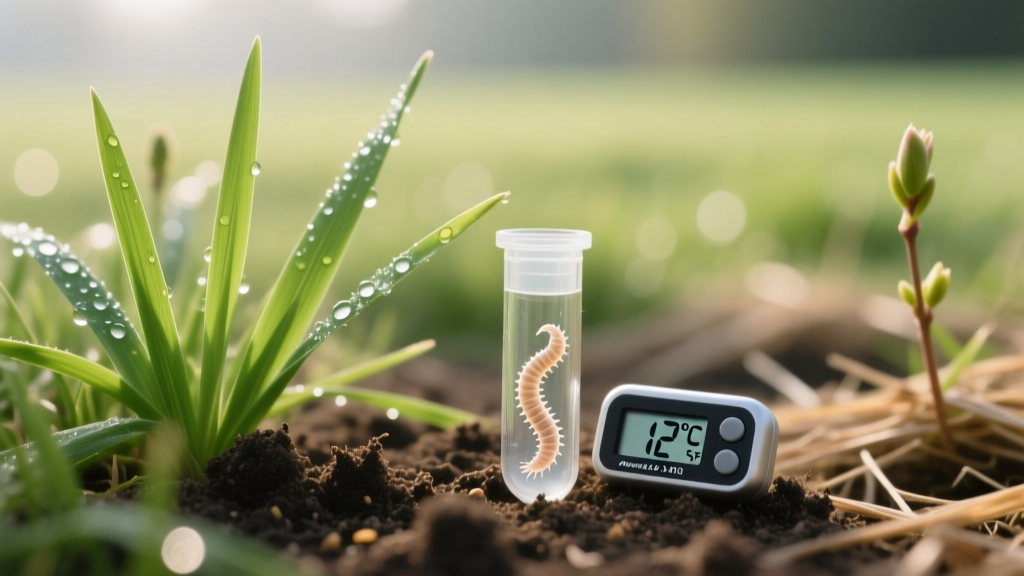
Seasonal Nematode Application Timing for Lawn Pest Control
Mike RodriguezPublished
Introduction to Beneficial Nematodes in Lawn Care
When it comes to organic and integrated pest management (IPM) for turfgrass, beneficial nematodes are among the most powerful, yet frequently misunderstood, biological control agents available to homeowners and landscaping professionals. These microscopic, unsegmented roundworms naturally occur in soils worldwide, but specific species can be cultivated and applied to target devastating lawn pests like white grubs, chinch bugs, sod webworms, and fleas. Unlike synthetic chemical insecticides, nematodes do not leave toxic residues, they do not harm earthworms or pollinators, and they are entirely safe for pets and children once watered into the soil.
However, the efficacy of beneficial nematodes is almost entirely dependent on seasonal timing, soil temperature, and moisture levels. Furthermore, aligning your nematode application schedule with your annual lawn planting, aeration, and overseeding schedules is critical for maintaining a thick, healthy turf while keeping pest populations below damaging thresholds. In this comprehensive guide, we will explore the exact seasonal windows for nematode application, how to coordinate these treatments with your grass planting schedules, and the step-by-step protocols required for maximum pest eradication.
The Science of Seasonal Timing and Soil Temperature
Beneficial nematodes are not chemical poisons; they are living organisms that actively hunt their prey. Once applied to the lawn and watered into the soil profile, the infective juvenile stage of the nematode seeks out insect larvae. Upon finding a host, the nematode enters the insect's body cavity and releases a symbiotic bacterium (either Xenorhabdus or Photorhabdus). This bacteria rapidly multiplies, causing septicemia and killing the host insect within 24 to 48 hours. The nematodes then feed on the developing bacteria and decaying host tissue, reproduce, and release a new generation of juveniles into the soil to continue the cycle.
Because they are living creatures, nematodes are highly sensitive to environmental conditions. The most critical factor dictating your seasonal application window is soil temperature. According to the Penn State Extension, nematodes require soil temperatures between 55°F and 85°F (13°C to 29°C) to remain active and effectively locate hosts. If the soil is too cold, the nematodes become dormant and will not infect pests. If the soil is too hot, they will rapidly dehydrate and die before finding a host. Therefore, timing your application to coincide with the natural life cycles of your target pests—while ensuring the soil is within this thermal window—is the cornerstone of successful biological pest control.
Matching Nematode Species to Target Pests
Not all beneficial nematodes hunt the same way or target the same pests. The two most common genera used in turfgrass management are Heterorhabditis and Steinernema. Heterorhabditis bacteriophora (Hb) are "cruisers" that actively move through the soil profile searching for deep-dwelling pests like white grubs. Steinernema carpocapsae (Sc) are "ambushers" that wait near the soil surface for mobile pests like caterpillars and fleas to pass by. Selecting the correct species and applying it during the correct seasonal window is vital.
| Nematode Species | Hunting Style | Target Lawn Pests | Optimal Soil Temp | Best Seasonal Window |
|---|---|---|---|---|
| Heterorhabditis bacteriophora (Hb) | Active Cruiser | White grubs (Japanese beetles, June bugs, European chafers) | 60°F - 85°F | Late Summer to Early Fall (August - September) |
| Steinernema carpocapsae (Sc) | Surface Ambusher | Fleas, chinch bugs, armyworms, cutworms | 55°F - 80°F | Mid-Spring to Early Summer (May - June) |
| Steinernema feltiae (Sf) | Intermediate Cruiser | Fungus gnats, sod webworms, shallow grubs | 50°F - 75°F | Early Spring or Late Fall (cooler soils) |
Aligning Nematode Applications with Planting and Overseeding Schedules
One of the most significant advantages of integrating nematodes into your lawn care routine is their complete compatibility with grass seed and planting schedules. Synthetic grub preventatives containing chemicals like imidacloprid or chlorantraniliprole are often applied in early summer. While effective against grubs, broad-spectrum insecticides can sometimes disrupt soil ecology or conflict with certain organic lawn care certifications. Nematodes, however, are entirely safe to use concurrently with grass seeding, making them an ideal choice for integrated seasonal schedules.
Fall Overseeding and Grub Control
For cool-season grasses like Tall Fescue and Kentucky Bluegrass, the optimal planting schedule dictates that fall overseeding and core aeration should occur between late August and mid-October. This exact timeframe perfectly overlaps with the late-summer/early-fall application window for Heterorhabditis bacteriophora to target second and third-instar white grubs. Grubs are actively feeding near the root zone during this time, causing severe turf damage. By scheduling your core aeration first, you not only prepare the soil bed for your grass seed but also create thousands of microscopic entry points for the nematodes. You can apply the nematode solution immediately after seeding and watering in the new grass. The nematodes will protect the vulnerable new root systems of the germinating seed from grub predation without harming the seedlings.
Spring Seeding and Surface Pest Management
Spring planting schedules (typically April to May) are often complicated by the application of pre-emergent crabgrass herbicides. While pre-emergents do not harm nematodes, the spring season is generally less effective for deep grub control because grubs are either pupating or mature, making them less susceptible to biological infection. However, if your lawn suffers from spring surface pests like sod webworms or early flea infestations, applying Steinernema carpocapsae in mid-to-late spring aligns well with spring patch-seeding schedules. The nematodes will patrol the thatch layer and soil surface, protecting your newly planted grass shoots from surface-chewing insects.
Step-by-Step Seasonal Application Guide
Because nematodes are living organisms, improper handling or application will result in total failure. A standard treatment rate is approximately 1 billion nematodes per acre, or roughly 25,000 to 35,000 nematodes per square foot. For a standard 5,000-square-foot suburban lawn, expect to spend between $30 and $50 for a high-quality, commercially reared batch of nematodes. Follow these actionable steps to ensure survival and efficacy:
- Pre-Application Irrigation: Nematodes require a moist environment to travel through the soil pores. Apply 0.5 inches of water to your lawn the day before application. The soil should be damp, but not waterlogged or muddy.
- Timing the Application: Never apply nematodes during the heat of the day or in direct, blazing sunlight. Ultraviolet (UV) radiation will kill them within minutes. Always apply in the early evening, at dusk, or on a heavily overcast day.
- Mixing the Solution: Use a hose-end sprayer designed for biologicals (one without a fine mesh screen that could crush the nematodes). Empty the contents of the nematode packet (usually a sponge or clay powder) into a bucket of cool, distilled, or dechlorinated water. Tip: If using tap water, let it sit in an open bucket for 24 hours to allow chlorine to off-gas, as chlorine is lethal to nematodes.
- Spraying and Agitation: Pour the mixture into your sprayer. Spray the lawn evenly, shaking or agitating the sprayer tank every few minutes to prevent the nematodes from settling at the bottom.
- Post-Application Watering: Immediately after spraying, apply another 0.25 to 0.5 inches of water. This is a non-negotiable step that washes the nematodes off the grass blades and down into the soil profile where they can begin hunting.
- Maintaining Moisture: For the next 7 to 10 days, lightly water the treated area daily to keep the top few inches of soil consistently moist, allowing the nematodes to reproduce and establish a long-term population.
Integrating Nematodes into a Broader IPM and Chemical Schedule
When planning your seasonal lawn care calendar, you must be aware of chemical incompatibilities. While nematodes are safe to use alongside fertilizers, herbicides, and grass seed, they are highly vulnerable to certain turf chemicals. According to the Environmental Protection Agency (EPA), biological controls must be managed carefully to avoid unintended eradication by broad-spectrum agents. You must avoid applying broad-spectrum synthetic insecticides (such as carbaryl or bifenthrin) within at least 30 days before or after a nematode application. Furthermore, copper-based fungicides and certain nematicides used in agriculture will instantly kill beneficial nematodes.
The University of Kentucky Entomology Department notes that relying solely on one method of pest control often leads to resistance or secondary pest outbreaks. By utilizing a seasonal IPM approach—where you plant resistant grass cultivars, maintain proper mowing heights (3 to 4 inches) to encourage deep roots, and deploy nematodes during the precise biological windows of pest vulnerability—you create a resilient lawn ecosystem. This seasonal alignment reduces the need for expensive, environmentally taxing chemical curatives, ensuring your lawn remains vibrant, deeply rooted, and naturally defended against subterranean threats year after year.