Pest Control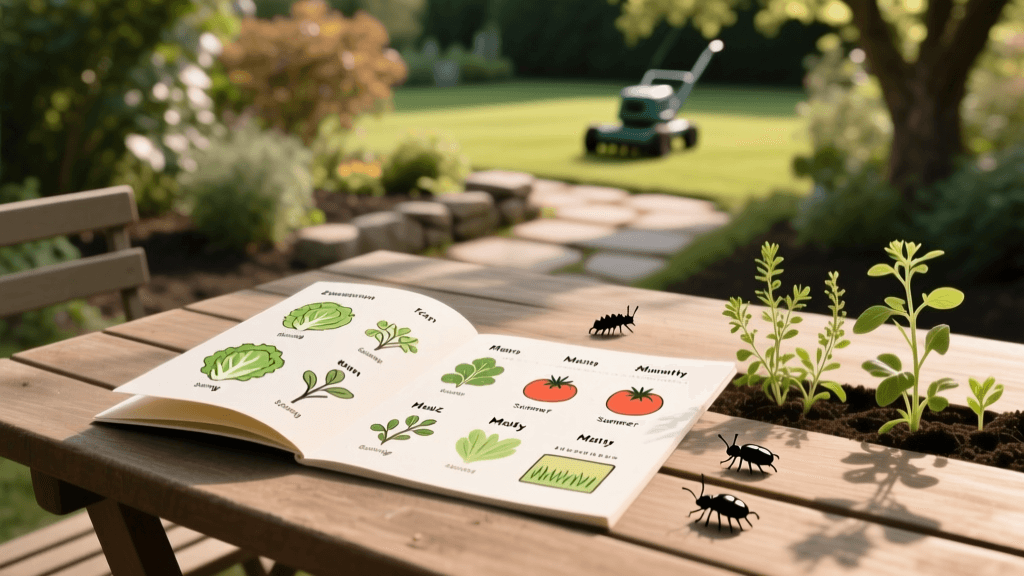
Strategic Planting Schedules to Outsmart Common Pests
The Role of Phenology in Integrated Pest Management
Integrated Pest Management (IPM) is often associated with biological controls, targeted sprays, and beneficial insects. However, one of the most powerful, cost-effective, and entirely non-toxic tools in your arsenal is the calendar. By aligning your lawn seeding and garden planting schedules with the biological rhythms of local pests—a concept rooted in phenology—you can drastically reduce pest pressure without reaching for harsh chemicals. According to the Environmental Protection Agency (EPA), IPM emphasizes understanding pest life cycles and their interaction with the environment to manage damage economically and with the least possible hazard to people, property, and the environment.
Phenology is the study of periodic plant and animal life cycle events and how these are influenced by seasonal variations in climate. For the home gardener and lawn care enthusiast, tracking soil temperatures and 'growing degree days' (GDD) is far more reliable than watching arbitrary calendar dates. Pests emerge based on accumulated heat. By adjusting your planting schedules to either precede or follow peak pest emergence windows, you can protect vulnerable seedlings and tender new grass roots from devastating early-season feeding.
Timing Lawn Seeding to Evade White Grubs
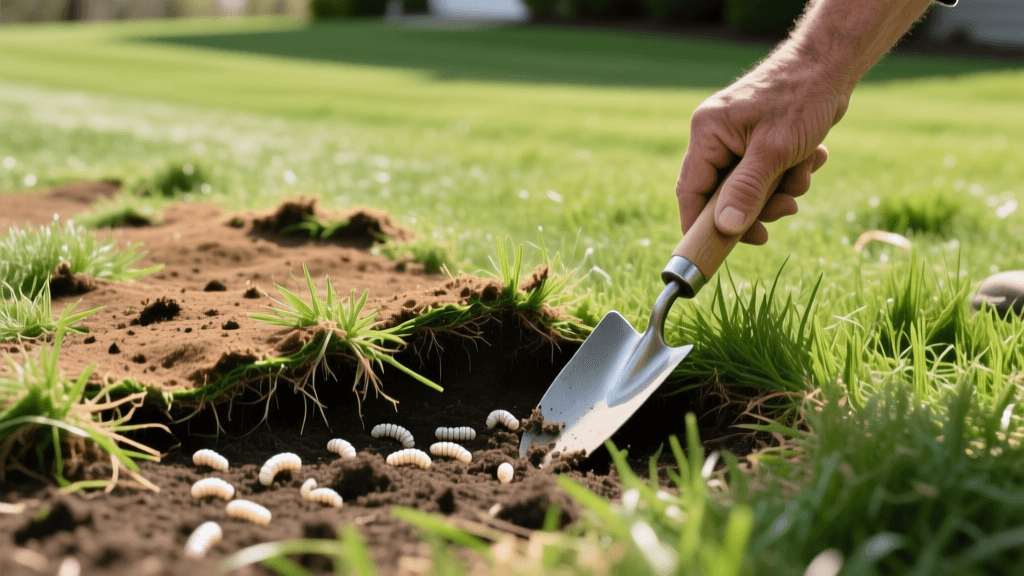
White grubs—the larvae of Japanese beetles, June bugs, and European chafers—are among the most destructive lawn pests in North America. They feed aggressively on the roots of cool-season grasses like Kentucky Bluegrass and Tall Fescue, causing large brown patches that roll back like loose carpet. Understanding their life cycle is critical for timing your fall lawn renovations.
Adult Japanese beetles lay their eggs in the soil in mid-to-late July. These eggs hatch in early to mid-August, and the young grubs immediately begin feeding on grassroots near the soil surface. The traditional advice for seeding cool-season lawns is 'early fall,' but if you seed in early August, your tender, germinating grass roots will coincide perfectly with the peak hatching and feeding window of young grubs. The result is often total seedling failure.
The Strategic Solution: Delay your fall overseeding until late August or early September. By this time, soil temperatures at a 2-inch depth are still in the optimal 55°F to 65°F range for cool-season grass germination, but the initial grub feeding frenzy has slowed, and grubs are beginning to move slightly deeper into the soil profile. Furthermore, autumn weed competition (like crabgrass) is naturally declining.
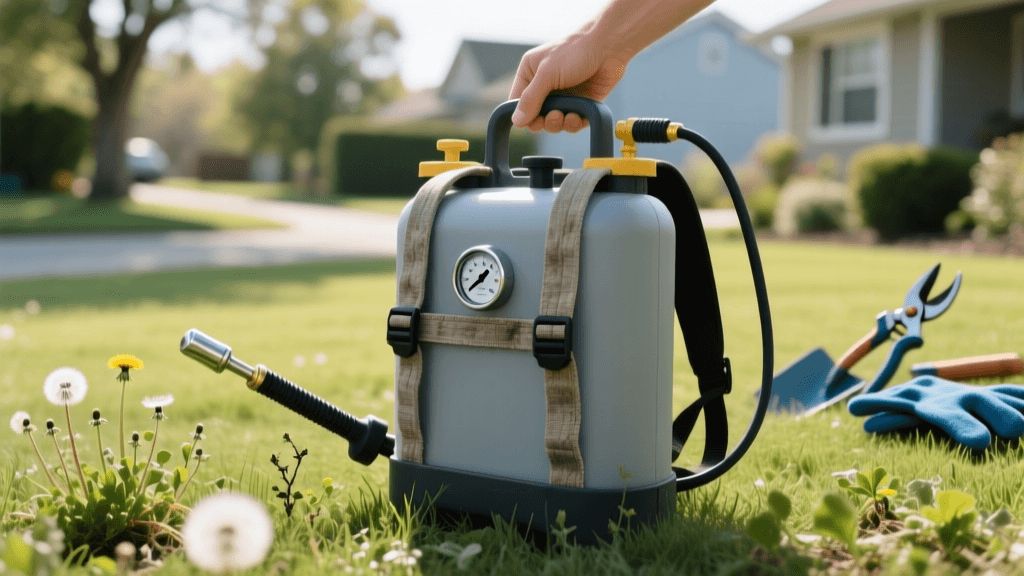
If your lawn is severely damaged and you must seed in early August, you must pair your planting schedule with a preventative grub control application. Products containing Chlorantraniliprole (commonly sold as Acelepryn or Scotts GrubEx) are highly effective and safe for pollinators when applied correctly. Expect to spend roughly $20 to $30 per 1,000 square feet for this preventative treatment, which must be applied in June or early July before eggs hatch. As the University of Minnesota Extension notes, curative treatments like Trichlorfon (Dylox) are only effective when grubs are small and actively feeding near the surface in late summer, making timing absolutely critical.
Garden Planting Schedules to Avoid Peak Insect Flights
Just as lawn seeding requires strategic timing, vegetable garden planting schedules can be manipulated to evade the most destructive garden pests. Many insects have a brief, highly destructive 'spring flush' or a specific mid-summer mating flight. By planting outside these windows, you can save hundreds of dollars in lost crops and organic pesticides.
Brassicas and Flea Beetles
Crops in the brassica family (cabbage, kale, broccoli, arugula) are heavily targeted by flea beetles (Phyllotreta striolata). These tiny, jumping black beetles overwinter in garden debris and emerge in early spring just as temperatures consistently reach 50°F. If you plant brassica transplants in April or early May, the emerging flea beetle population will riddle your young plants with hundreds of shotgun-hole punctures, stunting their growth or killing them outright.
The Strategic Solution: Delay your main brassica planting until late June or early July. The spring flush of flea beetles will have naturally died off by early summer, and the heat will accelerate plant growth so they can outpace any minor feeding damage. Alternatively, plant a fast-maturing trap crop of arugula in early May to draw the beetles away from your main garden beds.
Cucurbits and the Squash Vine Borer
The squash vine borer (Melittia cucurbitae) is a devastating moth whose larvae bore into the base of zucchini and squash stems, causing sudden plant collapse. The adult moths emerge from the soil and lay eggs at the base of plants during a specific flight window, typically from mid-June through July, depending on your hardiness zone.
The Strategic Solution: Utilize succession planting. Plant your first crop of summer squash as transplants in early May so they can produce heavily before the moths emerge in June. Then, sow a second succession of seeds in mid-to-late July. By the time this second crop germinates and vines out in August, the adult borer flight season has completely ended, allowing your fall squash to grow entirely pest-free without the need for chemical interventions. For more regional pest tracking, the Cornell University Integrated Pest Management network provides excellent resources on local degree-day models to predict exact pest emergence in your specific county.
Optimal Planting Windows vs. Pest Emergence Chart
Use the following data table to align your planting schedules with local pest life cycles. Always adjust these windows by 1 to 2 weeks based on your specific USDA Hardiness Zone and local spring frost dates.
| Plant / Grass Type | Primary Pest Threat | Peak Pest Activity Window | Strategic Planting / Seeding Strategy |
|---|---|---|---|
| Cool-Season Lawns (Fescue, Bluegrass) | White Grubs | Mid-August to October | Seed late Aug - early Sept; apply Acelepryn in June if seeding early. |
| Brassicas (Kale, Cabbage, Broccoli) | Flea Beetles | May to Mid-June | Delay main planting to late June or use early trap crops. |
| Summer Squash / Zucchini | Squash Vine Borer | Mid-June to Late July | Early May transplants; second seed sowing in late July. |
| Tomatoes | Tomato Hornworm | July to August | Plant large transplants in May to establish thick stems before moth flights. |
Advanced Timing: Trap Cropping Timelines
Trap cropping is an advanced IPM technique where you plant a highly attractive 'sacrificial' crop to lure pests away from your main harvest. However, the success of trap cropping relies entirely on precise seasonal timing. If you plant the trap crop and the main crop on the same day, pests will simply distribute themselves evenly across the garden.
To successfully execute a trap crop strategy, the sacrificial plant must be seeded 14 to 21 days before your main crop. This ensures the trap crop is larger, more established, and emitting stronger volatile organic compounds (the scents pests use to locate food) by the time the pests emerge. For example, if you want to protect your prized jalapeño peppers from pepper weevils, plant a perimeter of hot cherry peppers three weeks prior to transplanting your main pepper crop. Once the pests congregate on the early trap crop, you can destroy the trap plants or treat them with a targeted organic spray like Spinosad, leaving your main crop untouched.
Seasonal Action Calendar for the Home Gardener
Implementing a phenology-based pest management strategy requires year-round planning. Keep this seasonal checklist handy to ensure your planting schedules align with your IPM goals.
- Early Spring (March - April): Monitor soil temperatures. Apply dormant horticultural oils to fruit trees before bud break to smother overwintering aphid and scale eggs. Avoid planting brassicas until soil warms, but prep beds.
- Late Spring (May - Early June): Apply preventative grub control (Chlorantraniliprole) to lawns before adult beetles begin mating. Plant early successions of cucurbits to beat the vine borer flight.
- Early Summer (Late June - July): Sow late-season brassicas as the spring flea beetle population crashes. Install yellow sticky traps to monitor adult Japanese beetle emergence.
- Late Summer (August - September): Execute fall lawn overseeding as soil temps drop to 65°F and grub feeding slows. Sow late-season trap crops if managing fall pest pressures.
Conclusion
Mastering seasonal timing and planting schedules transforms you from a reactive gardener constantly fighting outbreaks into a proactive land manager. By leveraging the natural rhythms of plant growth and insect life cycles, you can drastically reduce your reliance on chemical pesticides, lower your seasonal maintenance costs, and cultivate a healthier, more resilient lawn and garden ecosystem.