Lawn Care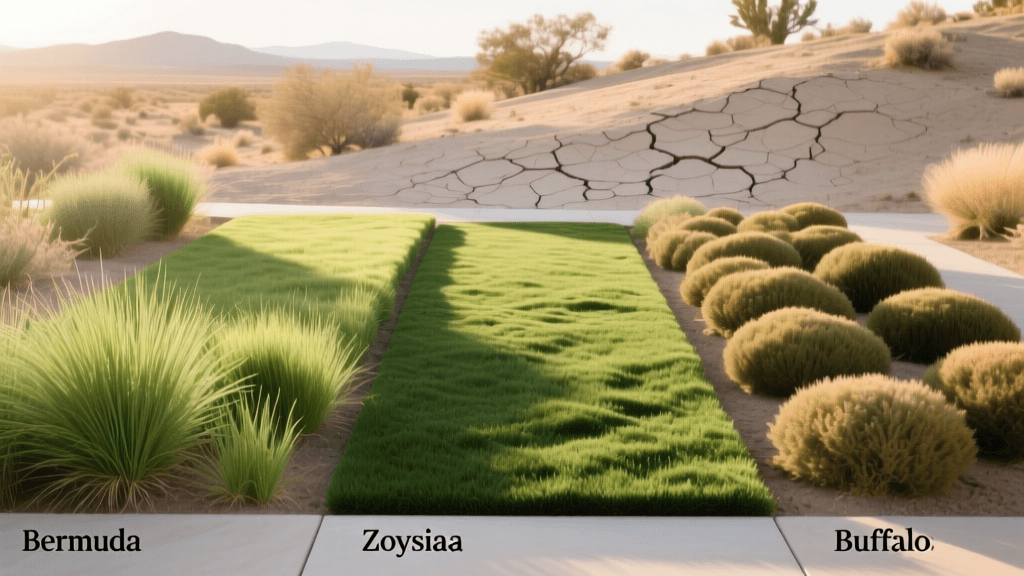
Selecting Drought-Tolerant Grass Species for Lawns
Introduction to Drought-Tolerant Lawns
Selecting the right grass species is the most critical decision you will make for your lawn, especially if you live in an area prone to water restrictions, high summer temperatures, or prolonged droughts. A drought-tolerant lawn not only conserves precious water resources but also reduces your monthly utility bills and minimizes the time spent dragging hoses across your yard. According to the Environmental Protection Agency (EPA), outdoor water use accounts for nearly 30 percent of total household water consumption, with a significant portion dedicated to landscape irrigation. By transitioning to or establishing a lawn with drought-resistant grass species, homeowners can dramatically reduce this footprint while maintaining a beautiful, functional outdoor space.
However, "drought-tolerant" does not mean "no-maintenance" or "zero-water." It means the grass has evolved deep root systems, specialized leaf structures, or dormancy mechanisms that allow it to survive and recover from extended dry periods better than traditional turfgrasses like Kentucky bluegrass. In this comprehensive guide, we will explore the best drought-tolerant grass species for various climates, compare their maintenance needs, and provide actionable advice for establishment and long-term care.
Top Warm-Season Drought-Tolerant Grass Species
Bermudagrass (Cynodon dactylon)
Bermudagrass is widely considered the champion of heat and drought tolerance among warm-season turfgrasses. Originating from Africa and India, this aggressive, sun-loving grass thrives in USDA Hardiness Zones 7 through 10. Its exceptional drought survival is attributed to its extensive, deep root system, which can reach depths of up to six feet in well-aerated soils, allowing it to access subterranean moisture long after the topsoil has dried out. When subjected to severe drought, Bermudagrass will enter a state of dormancy, turning brown to conserve energy. However, it possesses an incredible ability to "green up" and recover within just a few days of receiving water or natural rainfall.
For homeowners considering Bermudagrass, it is vital to select improved, drought-tolerant cultivars rather than common seed varieties. Cultivars such as 'TifTuf', 'Celebration', and 'Latitude 36' have been specifically bred for superior water use efficiency and cold tolerance. 'TifTuf', developed by the University of Georgia, is particularly notable for using significantly less water than other Bermudagrass varieties while maintaining high turf quality.
Maintenance for Bermudagrass requires full sun exposure (at least eight hours of direct sunlight daily) and frequent mowing during the peak growing season due to its rapid vertical growth rate. It is highly traffic-tolerant, making it ideal for families with children and pets. However, its aggressive nature means it can easily invade adjacent flower beds and gardens, requiring the installation of physical root barriers or regular edging.
Zoysiagrass (Zoysia spp.)
Zoysiagrass is a premium warm-season grass that offers a lush, carpet-like appearance with remarkable drought and wear tolerance. While it establishes much slower than Bermudagrass, its long-term benefits make it a favorite for high-end residential lawns. Zoysia survives drought primarily through a combination of deep rooting and a unique leaf-rolling mechanism. When soil moisture depletes, Zoysia leaves will fold or roll inward to reduce surface area and minimize transpiration (water loss through the leaves).
There are three primary species of Zoysia used in turf: Zoysia japonica, Zoysia matrella, and Zoysia tenuifolia. For the best balance of drought tolerance, cold hardiness, and ease of establishment, Zoysia japonica cultivars like 'Meyer' (also known as Z-52) and 'Empire' are highly recommended. 'Meyer' has been a staple in transitional zones for decades due to its reliable performance, while 'Empire' offers broader blades and excellent resistance to chinch bugs.
Zoysia requires less nitrogen fertilization than Bermudagrass, typically needing only two to three pounds of nitrogen per 1,000 square feet annually. However, it is prone to thatch buildup due to its high lignin content. Homeowners must plan for annual or biennial dethatching and regular core aeration to maintain water infiltration and prevent the thatch layer from acting as a hydrophobic barrier. According to turf experts at the Clemson University Home and Garden Information Center, proper mowing heights between 1.5 and 2.5 inches are crucial for encouraging the deep root growth necessary for drought survival.
Buffalograss (Bouteloua dactyloides)
For those living in the Great Plains, the Midwest, or arid western regions, Buffalograss is the ultimate native, drought-tolerant solution. As one of the few native North American species used for turf, Buffalograss is uniquely adapted to survive on the natural rainfall of the prairies. Once established, a Buffalograss lawn can survive the entire summer with little to no supplemental irrigation, requiring up to 75 percent less water than traditional Kentucky bluegrass lawns.
Buffalograss is a fine-textured, warm-season grass that spreads via above-ground stolons. It has a distinct blue-green color and a soft, somewhat open canopy. Because it is a native prairie grass, it thrives in heavy clay soils and alkaline conditions where other turfgrasses struggle. The USDA Natural Resources Conservation Service notes that Bouteloua dactyloides is highly resilient to extreme temperature fluctuations and prolonged dry spells.
The key to a successful Buffalograss lawn is patience during establishment and strict weed control in the first year. Because it grows slowly and does not form a dense mat immediately, weeds can easily outcompete young seedlings. Planting patented, female-only cultivars like 'UC Verde' or 'Prestige' via plugs is the best method for achieving a dense, seedless (and therefore less allergenic) lawn that stays lower to the ground, reducing mowing frequency to just once or twice a month.
Cool-Season Alternatives for Transitional Zones
Tall Fescue (Festuca arundinacea)
While warm-season grasses naturally excel in drought tolerance, homeowners in the "transition zone" or cooler northern climates often struggle to find drought-resistant options. Enter Tall Fescue, specifically the newer turf-type and dwarf turf-type varieties. Unlike fine fescues or Kentucky bluegrass, which have shallow root systems and go dormant quickly under heat stress, turf-type Tall Fescue develops roots that can reach depths of two to three feet.
This deep root system allows Tall Fescue to access moisture deeper in the soil profile, keeping the lawn green longer during early summer dry spells. While it may eventually go dormant during severe, prolonged droughts, it recovers well when temperatures cool and autumn rains return. When selecting Tall Fescue, always look for blends containing multiple cultivars (such as a mix of 'Titan', 'Falcon', and 'Rebel' varieties) to ensure genetic diversity, which provides better resistance to brown patch disease and environmental stress.
Species Comparison Chart
| Grass Species | Climate Zone | Water Needs | Traffic Tolerance | Mowing Frequency |
|---|---|---|---|---|
| Bermudagrass | Warm / Transitional | Low to Moderate | Excellent | High (Weekly) |
| Zoysiagrass | Warm / Transitional | Low | Good to Excellent | Moderate (Bi-weekly) |
| Buffalograss | Warm / Arid | Very Low | Moderate | Low (Monthly) |
| Tall Fescue | Cool / Transitional | Moderate | Good | High (Weekly) |
Establishment and Watering Best Practices
Selecting the right species is only half the battle; proper establishment and irrigation techniques dictate the long-term drought tolerance of your lawn. The most common mistake homeowners make is frequent, shallow watering. This trains the grass roots to stay near the surface, where soil moisture evaporates rapidly. To build a drought-resilient lawn, you must practice "deep and infrequent" watering.
During the establishment phase, new seed or sod requires daily, light watering to keep the top inch of soil moist. However, once the roots have anchored (usually after 3 to 4 weeks), you must transition to a deep watering schedule. Apply about one inch of water per week, delivered in one or two heavy sessions, rather than light daily sprinklings. This forces the roots to chase the water downward into the subsoil.
Furthermore, soil health plays a massive role in drought tolerance. Compacted soils prevent water infiltration and restrict root growth. Annual core aeration, combined with top-dressing with organic compost, improves soil structure, increases water-holding capacity, and promotes the microbial activity necessary for robust root development. Mulching grass clippings back into the lawn also acts as a natural moisture-retaining barrier and reduces soil surface temperatures by up to 10 degrees Fahrenheit.
Finally, the EPA WaterSense program highly recommends installing a smart irrigation controller or soil moisture sensor. These devices prevent your sprinkler system from running during or immediately after rainfall, ensuring that you only apply water when the grass truly needs it, thereby maximizing the natural drought-tolerant traits of your chosen turf species.
Conclusion
Transitioning to a drought-tolerant grass species is a smart, sustainable investment in your property. Whether you choose the aggressive, traffic-tolerant Bermudagrass, the lush and refined Zoysiagrass, the ultra-low-water native Buffalograss, or the deep-rooted Tall Fescue for cooler climates, matching the grass to your specific regional climate and soil type is paramount. By combining the right genetics with deep, infrequent watering practices and proactive soil management, you can cultivate a vibrant, resilient lawn that stands up to the harshest summer conditions while conserving our most vital natural resource.