
Landscaping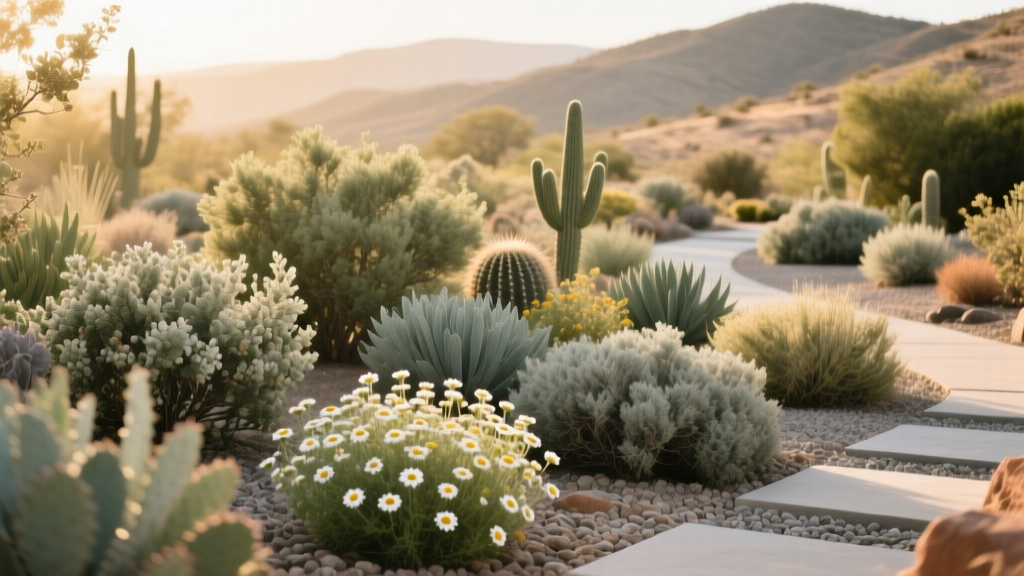
Choosing Drought-Tolerant Native Shrubs for Xeriscapes
Mike RodriguezPublished
The Rise of Xeriscaping and Native Plant Landscaping
Xeriscaping is often misunderstood as a barren landscape composed entirely of gravel, boulders, and a lone cactus. In reality, a well-designed xeriscape is a vibrant, living ecosystem that relies heavily on the structural backbone provided by woody shrubs. As water restrictions become more common and environmental awareness grows, homeowners and landscape architects are turning away from thirsty turfgrass and traditional ornamental borders. Instead, they are embracing native, drought-tolerant shrubs that provide year-round interest, architectural form, and crucial habitat for local wildlife.
Transitioning to a xeriscape does not mean sacrificing beauty or color. By carefully selecting the right native species for your specific microclimate, you can create a lush, textured garden that thrives on minimal supplemental irrigation. Shrubs are particularly valuable in these designs because they establish deep root systems that stabilize soil, reduce erosion, and create microclimates that protect smaller perennials and groundcovers from harsh sun and wind.
Why Choose Native Shrubs for Dry Climates?
Native shrubs have evolved over thousands of years to survive the specific climatic extremes of their home regions. Unlike exotic ornamentals that require constant soil amendments, fertilizers, and heavy watering, native species possess physiological adaptations such as deep taproots, waxy leaf cuticles, and silver-hued foliage that reflects sunlight. These adaptations allow them to flourish in nutrient-poor soils and endure prolonged dry spells.
From an economic perspective, replacing high-maintenance landscape beds with native xeriscape shrubs can drastically reduce your outdoor water consumption and lower your monthly utility bills. Furthermore, native shrubs support local ecosystems by providing essential nectar for native bees, host plants for butterfly larvae, and protective cover for songbirds.
Top Drought-Tolerant Native Shrubs: A Comparison Guide
When selecting species, it is crucial to match the plant's natural habitat with your site conditions. The following table highlights five exceptional native shrubs that serve as foundational plants in xeriscape designs across various North American regions.
| Common Name | Botanical Name | Mature Size (HxW) | USDA Zones | Water Needs | Bloom Time |
|---|---|---|---|---|---|
| Texas Sage | Leucophyllum frutescens | 6 ft x 6 ft | 8-11 | Very Low | Summer/Fall |
| Apache Plume | Fallugia paradoxa | 4 ft x 4 ft | 5-9 | Low | Spring/Summer |
| California Lilac | Ceanothus spp. | 3-10 ft x 6-15 ft | 7-10 | Very Low | Winter/Spring |
| New Jersey Tea | Ceanothus americanus | 3 ft x 3 ft | 4-8 | Low | Late Spring |
| Rabbitbrush | Chrysothamnus nauseosus | 5 ft x 5 ft | 4-9 | Very Low | Late Summer |
1. Texas Sage (Leucophyllum frutescens)
Also known as Texas Ranger or barometer bush, this evergreen shrub features stunning silvery-gray foliage that contrasts beautifully with its vibrant purple or pink tubular flowers. Texas Sage thrives in alkaline, rocky soils and requires excellent drainage. It is a staple in Southwest landscapes and can be pruned to maintain a formal shape or left to develop a natural, sprawling habit. Nursery costs typically range from $25 to $45 for a 5-gallon container.
2. Apache Plume (Fallugia paradoxa)
Apache Plume is a semi-evergreen shrub native to the desert washes of the Southwest. It produces delicate white flowers in the spring, which are followed by feathery, pink seed heads that catch the wind and resemble an Apache headdress. This shrub is highly tolerant of poor soils, extreme heat, and cold winters, making it an incredibly versatile choice for erosion control on slopes.
3. California Lilac (Ceanothus spp.)
With over 50 species and countless cultivars, California Lilac offers a size range from low-growing groundcovers to large, tree-like shrubs. They are famous for their intense, fragrant blue flower clusters that attract pollinators in droves. Ceanothus species are highly sensitive to summer irrigation; once established, they should receive absolutely no supplemental water during hot months to prevent fatal root rot.
Regional Selection and Spacing Guidelines
Proper spacing is critical in xeriscape design. Unlike traditional English borders where plants are packed tightly to create a continuous mass, native shrubs require adequate airflow to prevent fungal diseases and allow their root systems to expand naturally in search of moisture.
- Southwest and High Desert: Focus on Texas Sage, Creosote, and Brittlebush. Space large shrubs at least 5 to 8 feet apart to account for their mature spread and to allow for natural rainwater harvesting in the soil between plants.
- Pacific Coast and Mediterranean: Focus on Manzanita and California Lilac. Plant these species on mounds or berms 6 to 8 inches high to ensure rapid drainage during wet winter months. Space them 4 to 6 feet apart.
- Great Plains and Midwest: Focus on Apache Plume, Rabbitbrush, and Sand Cherry. These shrubs must withstand extreme temperature swings and high winds. Plant them in staggered drifts, spaced 3 to 5 feet apart, to create effective windbreaks.
Soil Preparation: The No-Amendment Rule
One of the most counterintuitive aspects of planting native xeriscape shrubs is the soil preparation process. Traditional gardening wisdom dictates that you should amend the planting hole with rich compost and peat moss. However, this practice is detrimental to drought-adapted natives.
The most common mistake in xeriscaping is treating native plants like traditional garden ornamentals. Amending the backfill soil with rich organic matter creates a 'bathtub effect,' trapping water around the roots and causing fatal crown rot in plants adapted to lean, fast-draining soils.
According to the Colorado State University Extension, it is best to plant native shrubs in the unamended native soil. If your soil is heavily compacted clay, you should improve the overall drainage of the entire planting bed by tilling in expanded shale or crushed gravel, rather than adding organic compost. The goal is to mimic the shrub's natural, nutrient-poor environment.
Step-by-Step Planting Instructions
Follow these precise steps to ensure the successful establishment of your native shrubs:
- Timing: Plant in early autumn (September to November). This allows the shrub to establish its root system during the cool, wet winter months before facing the stress of summer heat.
- Digging the Hole: Dig a hole that is exactly the same depth as the root ball, but two to three times as wide. This encourages lateral root growth.
- Root Inspection: Gently tease out any circling roots at the bottom of the nursery pot. If the plant is severely root-bound, use a sterilized pruning saw to make three vertical slices along the sides of the root ball.
- Placement: Set the shrub in the hole so that the top of the root ball sits slightly above (about 1 inch) the surrounding soil grade. This prevents water from pooling around the crown.
- Backfilling: Backfill with the native soil you removed from the hole. Tamp it down gently with your hands to remove large air pockets, but do not compact it tightly.
- Initial Watering: Water the shrub deeply immediately after planting to settle the soil around the roots.
Establishment Irrigation and Long-Term Care
Even the most drought-tolerant shrubs require regular watering during their first year to establish a deep root system. 'Drought-tolerant' does not mean 'no water required' during the establishment phase.
According to the Environmental Protection Agency (EPA), outdoor water use accounts for nearly 30% of total household water use, and transitioning to a xeriscape can reduce landscape water use by 50% to 75%. To maximize these savings, follow this irrigation schedule:
- First Year: Water deeply once a week during the growing season. Use a soaker hose or drip emitter to deliver water slowly directly to the root zone.
- Second Year: Reduce watering to twice a month. This encourages the roots to grow deeper in search of moisture.
- Third Year and Beyond: The shrub should be fully established. Rely entirely on natural rainfall, supplementing only during periods of extreme, prolonged drought (e.g., no rain for 45+ days during summer).
Mulching Strategies for Xeriscape Beds
Mulch is essential for retaining soil moisture and suppressing weeds, but the type of mulch you use is critical for native shrubs. Avoid organic mulches like shredded hardwood bark or wood chips, which retain too much moisture and can harbor fungal pathogens that attack the woody stems of xeriscape plants.
Instead, use inorganic mulches such as decomposed granite, crushed gravel, or river rock. Apply a 2 to 3-inch layer of gravel mulch over the entire planting bed. Crucially, keep the mulch at least 3 to 4 inches away from the main trunk of the shrub to create a dry buffer zone that prevents crown rot and deters rodent damage during the winter months.
Ecological Benefits Beyond Water Conservation
While reducing your water bill is a primary motivator for xeriscaping, the ecological benefits are equally profound. Native shrubs are the foundation of local food webs. By utilizing resources like the Lady Bird Johnson Wildflower Center database, you can select specific shrubs that serve as host plants for native butterfly species or provide high-fat berries for overwintering birds.
For example, planting native Ceanothus species supports specialized native bee populations that have co-evolved with the plant's unique floral structures. Similarly, the dense, thorny branches of native desert shrubs provide essential, predator-proof nesting sites for wrens and towhees. By choosing native varieties over sterile, exotic cultivars, your landscape becomes an active participant in local biodiversity conservation.
Conclusion
Selecting the right drought-tolerant native shrubs is the cornerstone of a successful, low-maintenance xeriscape. By respecting the natural adaptations of these plants, avoiding soil amendments, utilizing inorganic mulches, and following a strategic establishment irrigation plan, you can cultivate a resilient landscape. Not only will you conserve vital water resources, but you will also create a dynamic, ecologically rich garden that offers year-round beauty and supports local wildlife for decades to come.

