Home & Garden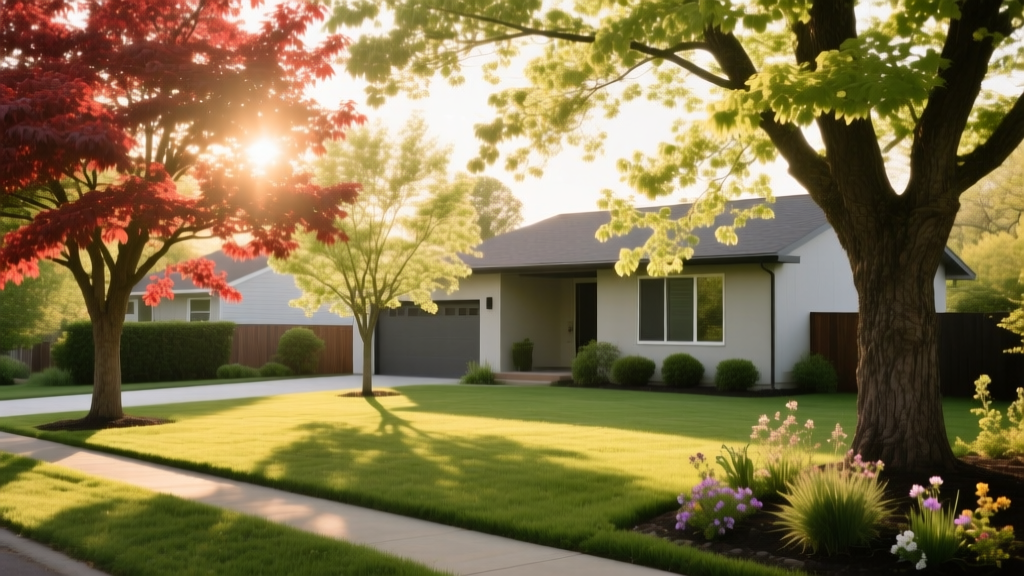
Selecting the Best Shade Trees for Energy-Efficient Home Cooling
Emily WatsonPublished
The Science of Tree Shading and Home Energy Efficiency
As energy costs continue to rise and summer temperatures break historical records, homeowners are increasingly turning to their landscapes for passive climate control. Strategic tree planting is one of the most effective, long-term methods for reducing indoor cooling costs. According to the U.S. Department of Energy, carefully positioned trees can save a household between 15% and 25% on annual heating and cooling energy use. But not all trees are created equal when it comes to shading your home. The secret lies in precise variety and species selection, ensuring the tree's mature canopy, leaf density, and seasonal habits align perfectly with your home's architecture and local climate.
Trees cool the environment through two primary mechanisms: direct shading and evapotranspiration. Shading blocks solar radiation from striking your roof, windows, and paved driveways, which prevents heat absorption and subsequent radiation into your home. Simultaneously, evapotranspiration—the process by which trees release water vapor through their leaves—can reduce surrounding air temperatures by up to 6°F. The Environmental Protection Agency (EPA) notes that mature tree canopies are a critical component of mitigating the urban heat island effect, making your immediate outdoor living spaces significantly more comfortable for summer entertaining.
Deciduous vs. Evergreen: The Seasonal Advantage
When selecting a tree for home cooling, the distinction between deciduous and evergreen species is paramount. For the primary living areas of your home, deciduous trees are almost always the superior choice. Deciduous species, such as maples and oaks, provide a dense, leafy canopy during the sweltering summer months, blocking up to 90% of solar radiation. However, once autumn arrives, they drop their leaves. This bare branching structure allows the low-angled winter sun to penetrate your windows, providing passive solar heating when you need it most. Conversely, planting a dense evergreen (like a spruce or pine) on the south or west side of your home will block valuable winter sunlight, inadvertently driving up your winter heating bills.
Strategic Placement by Sun Orientation
Selecting the right species is only half the battle; placement dictates the return on your investment. To maximize energy efficiency, you must match the tree's mature height and canopy spread to the orientation of your home's walls and windows.
- South-Facing Walls and Windows: The sun is high in the sky during midday. To cast a shadow on a south-facing roof or upper-story windows, you need tall, spreading deciduous trees (40 to 60 feet in mature height) planted 15 to 20 feet away from the home's foundation.
- East and West-Facing Walls: The morning and late afternoon sun strikes at a low angle, causing intense heat gain through windows and heating up exterior walls. Medium-to-tall trees planted closer to the house (10 to 15 feet away) are ideal here to intercept those low, harsh rays.
- Shading the AC Unit: Planting a small-to-medium tree to shade your outdoor HVAC condenser unit can improve its efficiency by up to 10%. Ensure the tree is planted at least 3 to 4 feet away from the unit to maintain unrestricted airflow for the compressor.
Top 5 Shade Tree Species for Energy-Efficient Landscaping
When choosing a variety, prioritize structural integrity, drought tolerance, and regional adaptability. Fast-growing species like the Bradford Pear or Silver Maple are often tempting for quick shade, but they possess weak wood that is highly susceptible to storm damage, which poses a severe risk to your home's roof. Instead, opt for long-lived, structurally sound species. Below is a comparison chart of five highly recommended shade trees for energy-efficient landscaping.
| Species | Mature Height | Canopy Spread | Growth Rate | USDA Hardiness Zones |
|---|---|---|---|---|
| Red Maple (Acer rubrum) | 40-60 ft | 30-40 ft | Medium-Fast | 3-9 |
| Bur Oak (Quercus macrocarpa) | 60-80 ft | 60-80 ft | Slow-Medium | 3-8 |
| Japanese Zelkova (Zelkova serrata) | 50-60 ft | 40-50 ft | Medium-Fast | 5-8 |
| Tulip Tree (Liriodendron tulipifera) | 70-90 ft | 35-50 ft | Fast | 4-9 |
| London Planetree (Platanus x acerifolia) | 75-100 ft | 50-80 ft | Fast | 4-8 |
Species Breakdown and Best Use Cases
Red Maple: A phenomenal choice for the eastern and central United States. It offers a moderately fast growth rate, brilliant fall color, and a dense, oval crown that casts deep shade. It adapts well to a variety of soil types, though it prefers slightly acidic conditions.
Bur Oak: If you have a large property and are willing to play the long game, the Bur Oak is unmatched. It is incredibly drought-tolerant, urban-pollution resistant, and provides a massive, sprawling canopy. Its deep taproot makes it highly resilient to high winds, protecting your home from falling limbs.
Japanese Zelkova: Often planted as a replacement for the Dutch Elm Disease-susceptible American Elm, the Zelkova features a beautiful vase-shaped canopy. This shape is perfect for shading driveways, patios, and east/west-facing windows while allowing for pedestrian traffic underneath.
Tulip Tree: One of the tallest native hardwoods, the Tulip Tree grows rapidly and features unique, broad leaves that provide excellent shade. It requires deep, moist, well-drained soil and is best suited for larger suburban or rural lots.
London Planetree: Highly tolerant of urban smog, compacted soil, and drought. Its exfoliating bark adds immense winter interest to the landscape. Due to its massive size, it should only be planted on large lots far from underground utility lines.
Planting Guidelines, Costs, and Timing
Proper installation is critical to ensuring your investment thrives and begins cooling your home as quickly as possible. The Arbor Day Foundation emphasizes that correct planting depth and hole preparation are the biggest factors in early tree establishment.
- Timing: The optimal time to plant shade trees is in the early fall (September to October) or early spring (March to April) before bud break. Fall planting allows the root system to establish in warm soil while the top of the tree remains dormant.
- Hole Preparation: Dig a hole that is two to three times wider than the root ball, but no deeper. The root flare (where the trunk widens at the base) must sit slightly above the surrounding soil grade. Planting too deep is the number one cause of premature tree death.
- Costs: Budget for the size of the tree you are purchasing. A 15-gallon tree (typically 6-8 feet tall) costs between $120 and $180 and is easier to plant by hand. A 30-gallon tree (10-14 feet tall) ranges from $250 to $400 and usually requires a small machine or professional landscapers to move. A 45-gallon specimen can cost $450 to $700+. While larger trees provide instant shade, smaller 15-gallon trees often establish faster and can overtake larger specimens within five to seven years.
- Mulching: Apply a 2-to-3-inch layer of organic hardwood mulch in a wide ring around the tree, keeping it 3 inches away from the trunk to prevent rot and rodent damage.
Smart Home Integration for Tree Care and Irrigation
Bridging the gap between your outdoor landscape and indoor smart home technology is essential for maintaining the health of your newly planted shade trees. Young trees require consistent, deep watering to develop the extensive root systems necessary to support a massive, cooling canopy. Relying on guesswork or standard sprinkler timers often leads to under-watering or root rot.
Integrate a smart irrigation controller, such as the Rachio 3 or Orbit B-hyve, paired with a wireless soil moisture sensor placed directly in the tree's root zone. Unlike standard timers that run on fixed schedules, smart controllers pull local weather data and adjust watering based on real-time evapotranspiration rates and soil moisture levels. Set up a dedicated drip-irrigation zone for your new trees, delivering 1 to 2 gallons of water per hour directly to the root ball. By automating this process through your home's Wi-Fi network, you ensure your energy-saving investment survives its vulnerable first three years, eventually growing into a magnificent, home-cooling asset that will lower your utility bills for decades to come.
