Lawn Care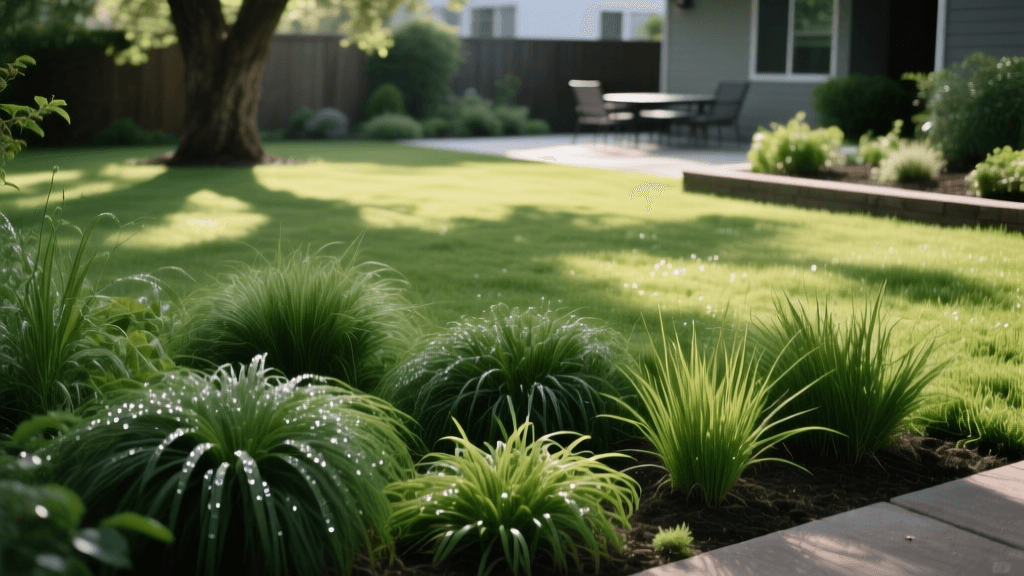
Top Shade Tolerant Grass Species For Healthy Lawns
The Challenge of Growing Grass in the Shade
Growing a lush, vibrant lawn in shaded areas is one of the most common frustrations for homeowners. While many commercial seed blends are marketed as 'shade mixes,' they often fail because they do not account for the specific microclimates of your yard or the regional differences between cool-season and warm-season grasses. Shade is not just a lack of sunlight; it creates a unique environment characterized by higher humidity, prolonged leaf wetness, increased susceptibility to fungal diseases, and intense competition for water and nutrients from the root systems of overhanging trees.
To succeed, you must move beyond generic solutions and focus on precise variety and species selection. According to the Clemson University Home and Garden Information Center, selecting a grass species that is genetically adapted to low-light conditions is the single most critical step in establishing a sustainable shaded lawn. This guide breaks down the best shade-tolerant grass species, specific cultivar recommendations, and the actionable maintenance routines required to keep them thriving.
Understanding Shade and Light Requirements
Before selecting a species, you must accurately assess the light conditions in your yard. Turfgrasses generally require a minimum of four to six hours of direct or filtered sunlight to survive. Shade is typically categorized into three types:
- Partial Shade: The area receives four to six hours of sunlight, often with dappled light filtering through tree canopies.
- Moderate Shade: The area receives two to four hours of direct sunlight, usually in the early morning or late afternoon.
- Dense Shade: The area receives less than two hours of direct sunlight. Most turfgrasses will struggle here, and alternative ground covers may be necessary.
When evaluating your site, remember that light intensity changes with the seasons. An area that receives adequate light in the early spring when trees are bare may fall into deep shade by mid-summer once the canopy fully leafs out.
Best Cool-Season Grass Species for Shaded Lawns
Cool-season grasses thrive in regions with cold winters and moderate summers. They generally exhibit better shade tolerance than their warm-season counterparts, but there is significant variation among species and specific cultivars.
Fine Fescues: The Shade Champions
Fine fescues are widely considered the most shade-tolerant cool-season grasses. This group includes creeping red fescue, Chewings fescue, hard fescue, and sheep fescue. They possess narrow leaf blades, require less nitrogen, and are highly drought-resistant. For heavily shaded areas, a blend consisting of 60% creeping red fescue and 40% Chewings fescue is highly recommended. Look for elite, endophyte-enhanced cultivars like 'Shadow II' or 'Raven' creeping red fescue, which offer improved disease resistance against dollar spot and red thread.
Actionable Advice: Seed fine fescues at a rate of 3 to 5 pounds per 1,000 square feet. High-quality seed typically costs between $6 and $9 per pound. The optimal planting window is late August to mid-October, allowing the seedlings to establish deep roots before the stress of summer heat.
Shade-Adapted Tall Fescue
While traditional tall fescue struggles in deep shade, modern turf-type and dwarf turf-type tall fescues have been bred for improved performance in low-light environments. Tall fescue is preferred over fine fescue in shaded areas that experience moderate foot traffic, as it has a deeper root system and better wear tolerance. According to data from the National Turfgrass Evaluation Program (NTEP), cultivars such as 'Titan Ultra', 'Rhambler SRP', and 'Mustang' consistently rank high for shade tolerance and brown patch resistance.
Actionable Advice: Seed turf-type tall fescue at 6 to 8 pounds per 1,000 square feet. Because tall fescue is a bunchgrass and does not spread via rhizomes, annual overseeding in the fall is necessary to maintain density in shaded zones.
Best Warm-Season Grass Species for Shaded Lawns
Warm-season grasses dominate the southern United States, thriving in hot summers but generally exhibiting poor shade tolerance. However, if you live in a transition zone or southern climate with shaded areas, specific species and cultivars can succeed.
St. Augustinegrass
St. Augustinegrass is the most shade-tolerant warm-season species available. It features a coarse texture and spreads aggressively via above-ground stolons. However, it is highly susceptible to chinch bugs and large patch disease in poorly drained, shaded areas. For the best results, avoid generic common St. Augustine and select improved cultivars specifically bred for low light. 'Palmetto', 'Seville', and 'Sapphire' are premier varieties that maintain density and color with as little as four hours of filtered sunlight.
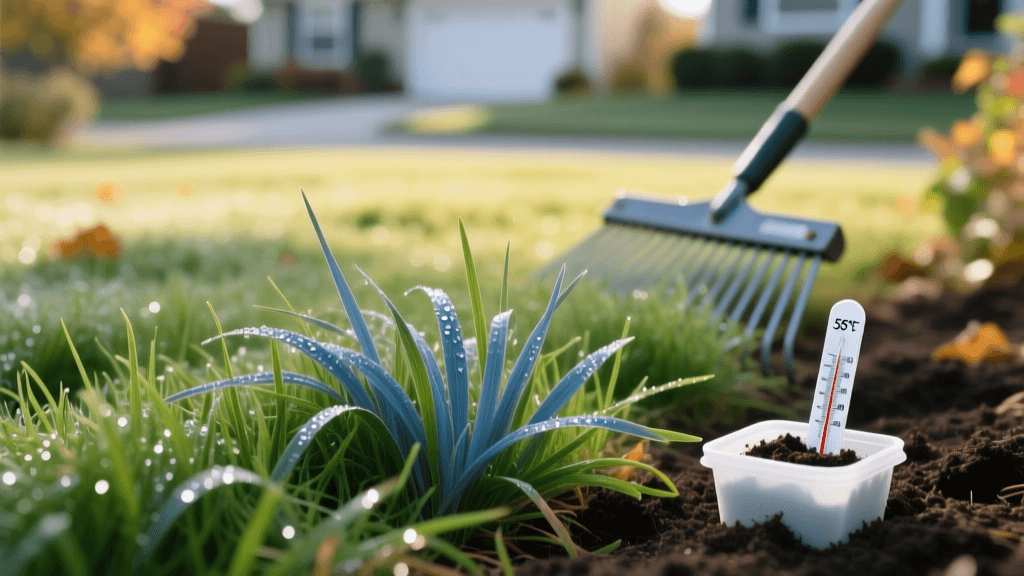
Actionable Advice: St. Augustinegrass is rarely grown from seed due to poor seed viability and slow establishment. Instead, install sod or plugs. Sod costs approximately $0.40 to $0.80 per square foot. Plant in late spring or early summer when soil temperatures consistently exceed 65°F.
Zoysiagrass
Zoysiagrass is moderately shade-tolerant and offers superior traffic tolerance and a denser, carpet-like appearance compared to St. Augustine. Fine-textured zoysia varieties tend to perform better in the shade than coarse-textured ones. 'Zeon' and 'Empire' are excellent choices, with 'Zeon' being particularly noted for its exceptional shade performance and low water requirements.
Actionable Advice: Zoysia is a slow grower, meaning it takes longer to recover from damage and establish from seed or plugs. Sod installation is highly recommended for immediate results. Maintain a mowing height of 1.5 to 2.5 inches, and dethatch annually, as zoysia is prone to heavy thatch buildup in shaded, humid environments.
Species Comparison Chart
| Grass Species | Season Type | Shade Tolerance | Traffic Tolerance | Establishment Method | Estimated Cost |
|---|---|---|---|---|---|
| Fine Fescue Blend | Cool-Season | Excellent | Low to Moderate | Seed | $6 - $9 / lb |
| Turf-Type Tall Fescue | Cool-Season | Good | High | Seed | $4 - $7 / lb |
| St. Augustine ('Palmetto') | Warm-Season | Very Good | Moderate | Sod / Plugs | $0.40 - $0.80 / sq ft |
| Zoysiagrass ('Zeon') | Warm-Season | Moderate to Good | High | Sod / Plugs | $0.50 - $0.90 / sq ft |
Actionable Planting and Maintenance Guidelines
Selecting the right species is only half the battle. Shaded lawns require a fundamentally different maintenance approach compared to lawns in full sun. Implementing the following practices will drastically improve your chances of long-term success.
Soil Preparation and Seeding
Tree roots aggressively compete for water and nutrients. Before planting, conduct a soil test to determine pH and nutrient deficiencies. Shaded soils often become acidic due to decaying leaf litter; apply pelletized lime if the pH falls below 6.0. When seeding cool-season grasses, use a core aerator to relieve soil compaction caused by tree roots and foot traffic. Rake the seed lightly into the top 1/8 inch of soil and apply a starter fertilizer (e.g., 10-18-10) at the time of planting to encourage rapid root development.
Adjusting Mowing Heights
One of the most critical mistakes homeowners make in shaded areas is mowing too short. Grass blades are the solar panels of the plant; in low-light conditions, the plant needs every bit of leaf surface area it can get to photosynthesize. Raise your mower deck to 3.5 or 4 inches for cool-season grasses in the shade. For warm-season grasses like St. Augustine, maintain a height of 3 to 4 inches. Never remove more than one-third of the leaf blade in a single mowing session, as this severely stresses the plant and reduces its energy reserves.
Fertilization and Irrigation Strategies
Shaded grasses grow slower and require significantly less nitrogen than grasses in full sun. Over-fertilizing shaded lawns promotes lush, weak top-growth that is highly susceptible to fungal pathogens like powdery mildew and brown patch. Reduce your nitrogen application by 30% to 50% in shaded zones compared to sunny areas. Use a slow-release nitrogen source to provide a steady, gentle feeding.
Watering should be done deeply but infrequently. Because the sun does not dry out the soil or the grass blades quickly, overwatering will lead to root rot and disease. Water only when the grass shows signs of moisture stress (e.g., footprints remain on the turf). When you do water, apply 0.5 to 0.75 inches of moisture early in the morning so the grass blades have time to dry before nightfall.
Tree and Canopy Management
Finally, manage the source of the shade. Hire a certified arborist to perform 'crown thinning' and 'limbing up' on overhanging trees. Removing the lower branches up to 10 feet and selectively thinning the inner canopy can dramatically increase the amount of dappled sunlight reaching the turf without harming the tree's health. Additionally, rake and remove fallen leaves promptly in the autumn; a thick layer of wet leaves will smother shaded grass and block what little sunlight is available during the crucial fall growing season.