Home & Garden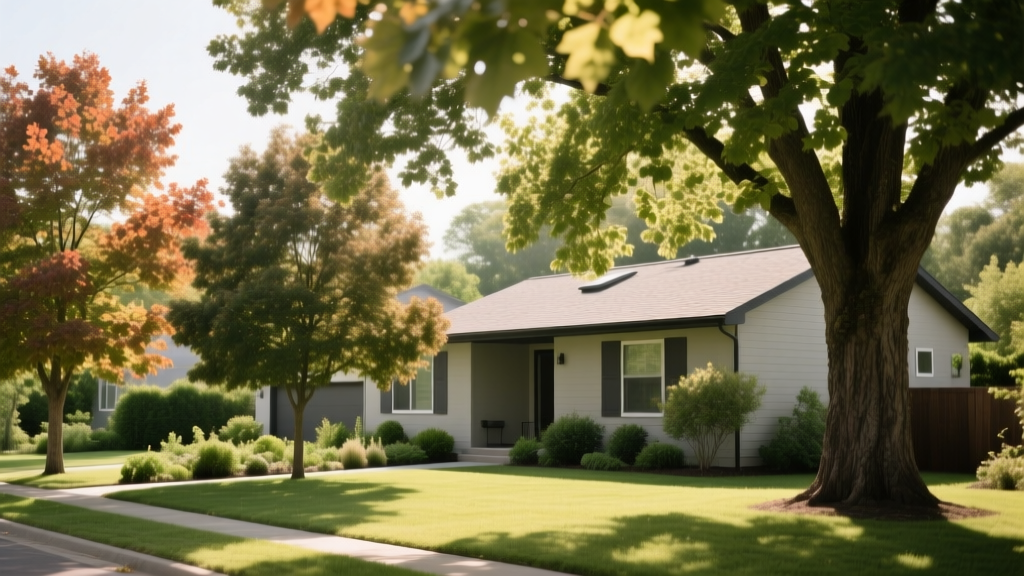
Best Shade Tree Varieties to Cool Homes and Lower Energy Bills
Sarah ChenPublished
The Science of Shade and Home Energy Efficiency
When designing an energy-efficient landscape, selecting the right tree species is one of the most impactful investments a homeowner can make. According to the U.S. Department of Energy, strategically placed trees can save up to 25% of a household's energy consumption used for cooling. The cooling effect is twofold: trees provide direct shade that blocks solar radiation from striking your roof and windows, and they release moisture into the air through a process called evapotranspiration, which can lower surrounding air temperatures by up to 6 degrees Fahrenheit.
However, not all trees are created equal when it comes to energy conservation. Deciduous trees are the gold standard for temperate climates because their dense summer canopies block the intense sun, while their bare branches in winter allow passive solar heating to warm your home. Choosing the correct variety ensures rapid canopy establishment, disease resistance, and long-term structural integrity. Below, we explore the top shade tree species for energy-efficient landscaping, complete with planting metrics and smart-home integration tips.
Top Deciduous Shade Tree Species for Energy Landscaping
1. Red Maple (Acer rubrum)
The Red Maple is a staple in North American landscaping, prized for its rapid growth rate and spectacular autumn foliage. Reaching a mature height of 40 to 60 feet with a canopy spread of 30 to 40 feet, it provides excellent mid-to-high shade for single-story homes. Red Maples thrive in USDA Hardiness Zones 3 through 9. They prefer slightly acidic, moist soils but are surprisingly adaptable to various urban conditions. When planting, expect to pay between $120 and $200 for a healthy 15-gallon container specimen from a reputable nursery.
2. American Sycamore (Platanus occidentalis)
If you have a larger property and need massive shade coverage, the American Sycamore is an unparalleled choice. Capable of reaching 75 to 100 feet in height with a sprawling canopy of up to 80 feet, a single mature Sycamore can shade an entire roof and driveway. According to the USDA Plants Database, this species is highly resilient and tolerates wet soil conditions better than most shade trees. Its distinctive mottled, peeling bark adds striking winter interest. Plant Sycamores at least 30 feet away from foundations and underground utilities due to their aggressive root systems.
3. Northern Catalpa (Catalpa speciosa)
For homeowners in arid or drought-prone transitional zones, the Northern Catalpa offers a unique, rugged aesthetic and exceptional heat tolerance. Growing 40 to 60 feet tall, it features massive, heart-shaped leaves that cast deep, cooling shadows. In late spring, it produces showy, orchid-like white flowers that attract pollinators. Catalpas are incredibly tough, tolerating poor soils, urban pollution, and severe drought once established. They are an excellent choice for xeriscaping designs that still require substantial summer shade.
4. Tulip Tree (Liriodendron tulipifera)
The Tulip Tree is one of the tallest native hardwoods in the eastern United States, often soaring past 80 feet. Its unique, four-lobed leaves and yellow-green tulip-shaped flowers make it a botanical showpiece. Because it grows exceptionally straight and tall before branching out, it is ideal for providing 'high shade'—blocking the high-angle summer sun while leaving the lower sightlines of your yard open. Penn State Extension notes that large hardwoods like the Tulip Tree are critical for long-term microclimate cooling, though they require deep, well-drained soils to thrive.
5. Hackberry (Celtis occidentalis)
Often overlooked, the Hackberry is a workhorse shade tree that excels in harsh environments. Growing 40 to 60 feet tall, it is highly resistant to strong winds, extreme temperature fluctuations, and urban smog. Its arching branches create a broad, umbrella-like canopy that is perfect for shading west-facing walls and patios. Hackberries produce small, berry-like drupes that are a favorite among local bird populations, seamlessly bridging your outdoor landscape with local ecology.
Species Comparison Chart
| Species | Botanical Name | Mature Height | Canopy Spread | Growth Rate | Best USDA Zones |
|---|---|---|---|---|---|
| Red Maple | Acer rubrum | 40-60 ft | 30-40 ft | Medium-Fast | 3-9 |
| American Sycamore | Platanus occidentalis | 75-100 ft | 50-80 ft | Fast | 4-9 |
| Northern Catalpa | Catalpa speciosa | 40-60 ft | 20-40 ft | Fast | 4-8 |
| Tulip Tree | Liriodendron tulipifera | 70-90 ft | 30-50 ft | Fast | 4-9 |
| Hackberry | Celtis occidentalis | 40-60 ft | 30-50 ft | Medium | 3-9 |
Strategic Placement for Maximum Cooling Potential
Selecting the right species is only half the battle; placement dictates your energy savings. To maximize passive cooling, focus on the east and west sides of your home. The low-angle morning and late afternoon sun penetrates deeply into windows and heats up exterior walls. Planting dense, broad-canopy trees 15 to 25 feet from these walls will intercept the sun before it impacts your home's thermal envelope.
For the south side of your home, you want trees with high branching habits or deciduous species that drop their leaves in winter. This allows the low-angle winter sun to pass through the bare branches and naturally warm your home, reducing winter heating costs. Avoid planting large shade trees directly over rooflines or too close to foundations, as falling branches or expansive root systems can cause costly structural damage over time.
DIY Planting Guidelines and Soil Preparation
Proper planting technique ensures your investment survives the critical first three years of establishment. Follow these actionable steps when installing your new shade trees:
- Locate the Root Flare: Before digging, brush away soil from the top of the root ball to find the root flare (where the trunk widens into roots). This flare must sit slightly above the final grade level to prevent trunk rot.
- Dig Wide, Not Deep: Excavate a hole that is two to three times wider than the root ball, but no deeper. The tree should rest on undisturbed soil at the bottom of the hole to prevent sinking.
- Backfill with Native Soil: Avoid amending the backfill soil with heavy compost or peat moss, which can create a 'pot effect' and discourage roots from expanding into the native earth. Use the soil you just dug out.
- Mulch Correctly: Apply a 3-inch layer of organic wood chip mulch in a wide ring around the tree, keeping it at least 4 inches away from the trunk. Never practice 'volcano mulching,' which traps moisture against the bark and invites fatal fungal diseases.
Smart Home Integration for Tree Establishment
Newly planted shade trees require consistent, deep watering to develop extensive root systems capable of supporting a massive canopy. This is where smart home landscaping technology shines. Instead of relying on guesswork, integrate a Wi-Fi-enabled soil moisture sensor (such as those offered by Spruce or Ecowitt) into your garden beds.
Pair these sensors with a smart irrigation controller like the Rachio 3 or B-hyve. You can program a dedicated drip irrigation zone for your new trees that triggers only when the soil moisture drops below 40% at a 6-inch depth. This automated, data-driven approach prevents both underwatering and root-drowning, ensuring your energy-saving trees establish quickly and begin shading your home years ahead of schedule.
Conclusion
Integrating large deciduous shade trees into your landscape is a powerful, long-term strategy for reducing household energy consumption and enhancing outdoor comfort. By carefully selecting species like the Red Maple, American Sycamore, or Tulip Tree based on your specific climate and yard dimensions, you create a living, breathing air-conditioning system. Combine strategic placement with modern smart-irrigation technology, and your garden will not only yield beautiful seasonal interest but also deliver measurable savings on your annual utility bills.
