Tree Care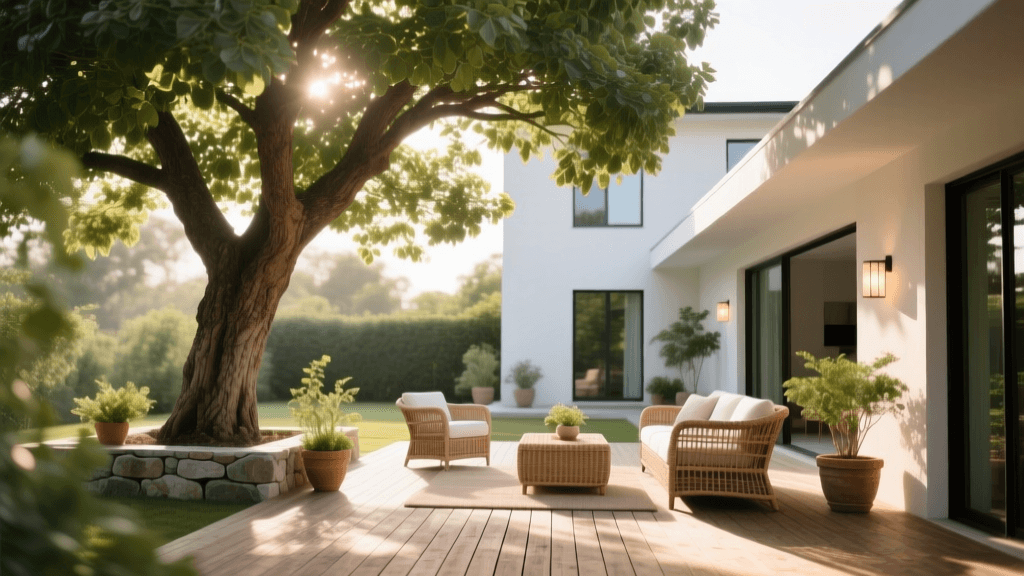
Top Shade Trees for Patios: Boost Curb Appeal and Entertain
The Intersection of Tree Care and Outdoor Entertaining
When designing an outdoor entertaining space, hardscaping and furniture often steal the spotlight. However, the true anchor of any stunning patio or deck is a well-placed, meticulously maintained shade tree. Trees do more than just provide relief from the summer sun; they frame your home's architecture, soften harsh structural lines, and significantly boost your property's curb appeal. For homeowners who love to host, the right tree canopy transforms a glaring, sun-baked concrete slab into an inviting, dappled oasis.
But achieving this perfect balance requires strategic tree selection and specialized pruning techniques. A tree that drops excessive sap, sheds messy fruit, or grows too low to the ground can quickly ruin a dinner party. Conversely, a properly selected and pruned shade tree acts as a natural ceiling, defining your outdoor living room while keeping guests comfortable. In this comprehensive guide, we will explore the best tree species for patio environments, how to position them for optimal shade and aesthetics, and the specific pruning methods required to maintain a high-end, entertaining-ready landscape.
Top Shade Trees for Patio Spaces and Curb Appeal
Selecting a tree for a patio environment requires evaluating its mature size, growth rate, and most importantly, its 'mess factor.' You want a tree that provides ample canopy coverage without constantly littering your dining table with leaves, berries, or sticky sap. Below is a comparison of the top ornamental and shade trees ideal for outdoor entertaining spaces.
| Tree Species | Mature Height | Canopy Spread | Growth Rate | Mess Factor |
|---|---|---|---|---|
| Crape Myrtle | 15-25 ft | 15-25 ft | Fast | Low (Minimal leaf drop) |
| Japanese Maple | 15-25 ft | 10-20 ft | Slow | Low (Clean foliage) |
| Serviceberry | 15-25 ft | 15-20 ft | Medium | Medium (Edible berries) |
| Eastern Redbud | 20-30 ft | 25-35 ft | Medium | Low (Brief spring petal drop) |
| Kousa Dogwood | 15-30 ft | 15-30 ft | Slow | Medium (Fall fruit drop) |
1. Crape Myrtle (Lagerstroemia)
Often referred to as the 'tree of 100 days' due to its incredibly long summer bloom period, the Crape Myrtle is a staple for curb appeal. Its smooth, exfoliating bark provides stunning winter interest, while the dense, vase-shaped canopy offers excellent shade. Because it is highly drought-tolerant and lacks messy fruit, it is arguably the best low-maintenance patio tree for warm climates.
2. Japanese Maple (Acer palmatum)
For smaller patios or intimate courtyard entertaining spaces, the Japanese Maple is unmatched in elegance. Its deeply lobed leaves provide a delicate, dappled shade that is perfect for reading or conversing. While it requires consistent moisture and protection from harsh afternoon winds, its unparalleled aesthetic value makes it a favorite for high-end landscape designs.
3. Eastern Redbud (Cercis canadensis)
The Eastern Redbud offers a spectacular early spring display of magenta flowers directly on its bare branches, instantly elevating your home's spring curb appeal. As summer approaches, it develops a broad, flat-topped canopy that casts a wide, comfortable shadow over large patio areas. It is relatively clean, dropping only its heart-shaped leaves in the autumn.
Strategic Placement for Maximum Shade and Aesthetics
Where you plant your tree is just as critical as the species you choose. To maximize guest comfort, you must consider the solar path. The most intense, uncomfortable heat during an afternoon barbecue comes from the west and southwest. Planting your primary shade tree on the southwest side of your patio will cast a long, cooling shadow over your entertaining space during the peak hours of use.
Furthermore, distance from hardscaping is vital. Tree roots can easily heave pavers, crack concrete, and damage retaining walls. According to planting guidelines from The Morton Arboretum, it is essential to account for a tree's mature root spread, which often extends well beyond the drip line of the canopy. As a general rule, plant medium-sized ornamental trees at least 10 to 15 feet away from the edge of your patio or deck to allow for trunk flare and surface root development without compromising your hardscape.
Pruning Techniques to Elevate Your Entertaining Space
A tree left to its natural growth habits will often develop low-hanging branches that obstruct sightlines, scratch guests, and block the breeze. To create a true 'outdoor room,' you must employ specific pruning techniques that raise the canopy and manipulate the light. The Arbor Day Foundation emphasizes that proper pruning not only improves aesthetics but is crucial for the long-term structural health of the tree.
Crown Raising for Clearance
Crown raising involves the selective removal of the lowest branches to increase the clearance between the ground (or patio surface) and the bottom of the canopy. For a comfortable entertaining space, you should aim for a minimum clearance of 8 to 10 feet. This allows guests to walk freely underneath the tree and ensures that hanging patio lights or ceiling fans mounted on pergolas are not obstructed. When making cuts, always prune just outside the branch collar to promote rapid healing and prevent decay.
Crown Thinning for Dappled Light
Dense, heavy shade can make a patio feel dark, damp, and unwelcoming. Crown thinning is the process of selectively removing interior branches to allow sunlight to filter through the canopy. This creates 'dappled light,' which is highly desirable for outdoor entertaining. Dappled light is bright enough for reading and seeing faces clearly, yet soft enough to prevent sunburn. Thinning also improves air circulation, which reduces the risk of fungal diseases and keeps the seating area cooler on humid days. Experts at Penn State Extension advise never removing more than 25% of a tree's live foliage in a single season to avoid stressing the tree.
Vista Pruning for Curb Appeal
While your patio is for entertaining, the view from the street matters just as much for your home's overall value. Vista pruning involves selectively removing specific branches to create 'windows' through the canopy. This technique frames the architectural features of your home, such as a grand front door or a beautiful stone chimney, from the street view. It ensures that the tree enhances the house rather than hiding it.
Pro Tip: Always sterilize your pruning tools with a 10% bleach solution or rubbing alcohol between cuts, especially when working on multiple trees, to prevent the accidental transmission of pathogens and diseases.
Essential Pruning Tools for the Homeowner
To execute these pruning techniques safely and cleanly, you need the right equipment. Dull or improper tools will crush the branch tissue, leaving the tree vulnerable to pests and rot.
- Bypass Pruners: Essential for clean cuts on live branches up to 1 inch in diameter. Avoid anvil pruners, which tend to crush live wood.
- Bypass Loppers: Provide the leverage needed for branches between 1 and 2.5 inches thick.
- Pruning Saw: A curved, tri-cut blade is necessary for branches over 3 inches. The curve allows for easier cutting in tight canopy spaces.
- Pole Pruner: Crucial for crown raising and thinning high branches without the danger of climbing a ladder with a saw.
Protecting Hardscapes and Managing Roots
If you are installing a new patio near an existing tree, or planting a new tree near an existing patio, root management is non-negotiable. Surface roots seeking oxygen and moisture will easily destroy expensive stonework. To protect your investment, consider installing a commercial root barrier. These are typically made of high-density polyethylene (HDPE) plastic and are buried in a trench between the tree and the hardscape. A trench depth of 24 to 36 inches is usually sufficient to deflect roots downward rather than allowing them to surface under the pavers. Professional installation of root barriers typically costs between $8 and $15 per linear foot, a small price to pay to save a $10,000 patio.
Mulching and Watering in High-Traffic Zones
Trees situated near entertaining areas often suffer from soil compaction due to heavy foot traffic, furniture placement, and the proximity of impervious hardscapes that alter water runoff. To combat this, proper mulching is essential. Apply a 2 to 3-inch layer of organic hardwood mulch in a wide ring around the tree, extending out to the drip line if possible.
Crucially, avoid 'volcano mulching.' Piling mulch against the trunk of the tree traps moisture, invites rodent damage, and encourages the growth of girdling roots, which can eventually strangle and kill the tree. Keep the mulch at least 3 inches away from the trunk flare. In high-traffic entertaining zones, consider using permeable pavers or gravel pathways around the tree's root zone to ensure that rainwater can still penetrate the soil, keeping your shade tree vibrant, healthy, and ready for the next summer gathering.
Conclusion
Integrating shade trees into your outdoor entertaining space is one of the highest-ROI landscaping investments you can make. By carefully selecting low-litter species, positioning them to block harsh afternoon sun, and employing advanced pruning techniques like crown raising and vista pruning, you create a seamless transition between your home's architecture and the natural landscape. The result is a breathtaking, comfortable outdoor living area that delights your guests and dramatically elevates your home's curb appeal for years to come.