Tree Care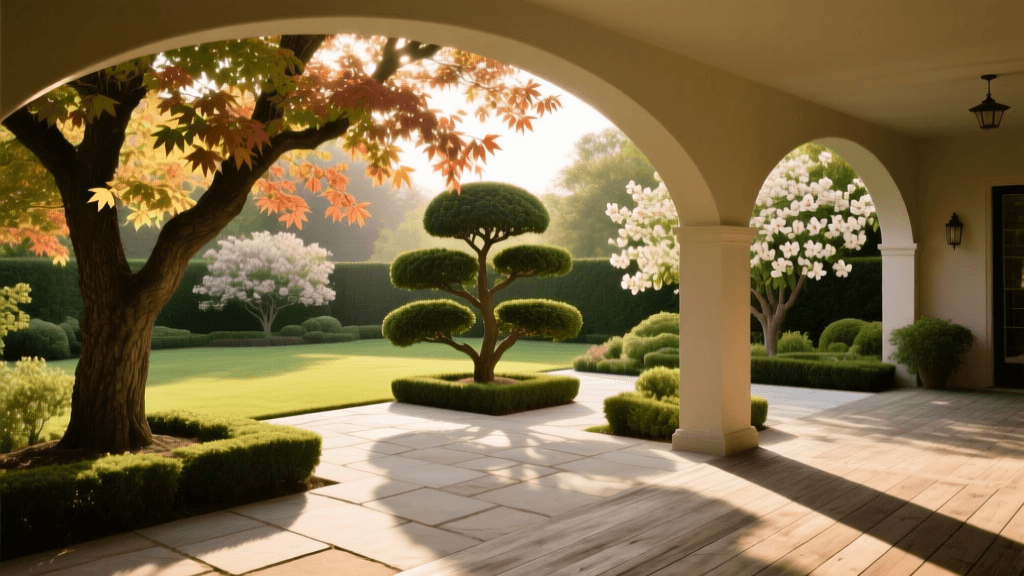
Best Shade Trees for Patios and Pruning for Curb Appeal
The Intersection of Tree Care and Outdoor Living
When designing an outdoor entertaining space, hardscapes like patios, decks, and pergolas often take center stage. However, the true anchor of any stunning outdoor living area is a well-chosen, meticulously maintained shade tree. From the perspective of outdoor entertaining and curb appeal, trees do much more than just look pretty; they provide essential cooling shade, create natural privacy screens, and establish a lush, inviting atmosphere that encourages guests to linger. According to the Arbor Day Foundation, strategic tree placement can reduce summer air conditioning costs by up to 25 percent, but when applied to outdoor living spaces, that same shade translates directly into comfortable, usable patio hours during the peak heat of summer.
Yet, integrating trees into entertainment zones requires a careful balance. You must select species that offer broad canopies without dropping messy sap or fruit onto your patio furniture, and you must prune them to maximize both light filtration and aesthetic appeal. This guide will walk you through selecting the right shade trees, placing them to protect your hardscapes, and pruning them to elevate your home's curb appeal.
Top Shade Trees for Patios and Decks
Not all trees are suitable for planting near outdoor seating areas. Fast-growing trees often have weak wood that is prone to storm damage, while fruiting trees can attract wasps and stain your expensive outdoor rugs. For entertaining spaces, you want trees with a high 'mess factor' rating (meaning they are clean), moderate to fast growth rates, and beautiful seasonal interest. Below is a comparison of four exceptional shade trees that thrive near patios and boost front-yard or backyard curb appeal.
| Tree Species | Mature Height | Canopy Spread | Mess Factor | Est. Cost (15-Gal Nursery Tree) |
|---|---|---|---|---|
| Red Maple (Acer rubrum) | 40-60 ft | 30-40 ft | Low | $120 - $180 |
| Crape Myrtle (Lagerstroemia) | 15-25 ft | 10-15 ft | Very Low | $90 - $140 |
| Japanese Maple (Acer palmatum) | 15-25 ft | 15-20 ft | Very Low | $150 - $250 |
| Eastern Redbud (Cercis canadensis) | 20-30 ft | 25-35 ft | Low | $110 - $160 |
The Red Maple is a powerhouse for large properties, offering dense, cooling shade and spectacular crimson fall foliage. For smaller patios or courtyard gardens, the Japanese Maple provides exquisite, dappled shade and sculptural elegance that dramatically elevates curb appeal. The Crape Myrtle offers brilliant summer blooms and striking winter bark, while the Eastern Redbud delivers a stunning canopy of heart-shaped leaves and vibrant spring flowers.
Strategic Placement: Protecting Hardscapes from Roots
A common mistake homeowners make is planting a tree too close to a newly poured concrete patio or paver deck. As trees mature, their root systems expand laterally, often extending two to three times the width of the canopy. Aggressive roots can easily heave pavers, crack concrete slabs, and damage retaining walls, turning a beautiful entertaining space into a costly tripping hazard.
To prevent structural damage while still enjoying overhead shade, follow these placement guidelines:
- The 15-Foot Rule: For medium-to-large shade trees (like the Red Maple), plant the trunk at least 15 feet away from the edge of your patio. This allows the mature canopy to arch over the seating area while keeping the primary root flare far from the hardscape base.
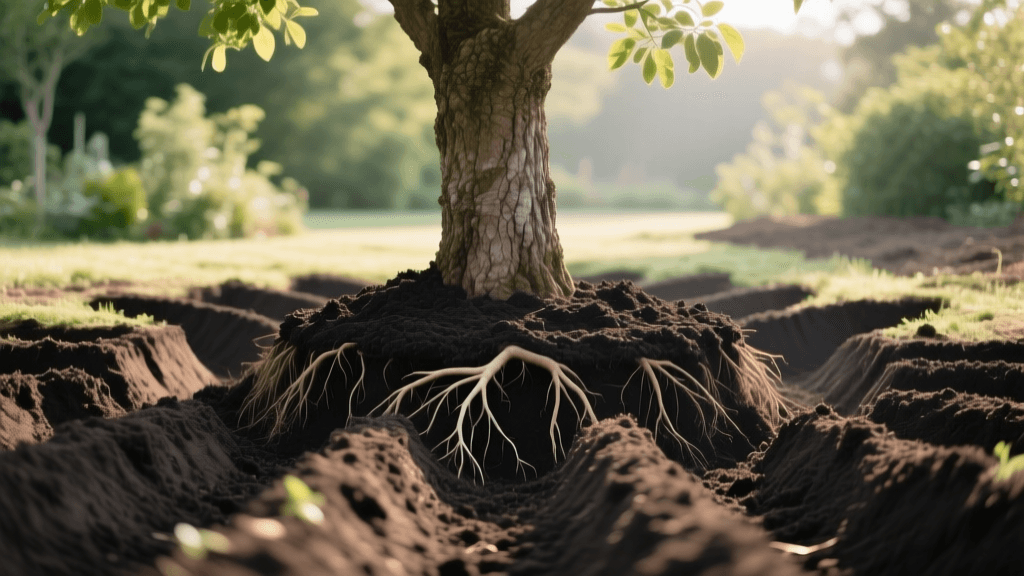
- Install Root Barriers: If space constraints force you to plant closer than 10 feet, install a heavy-duty polyethylene root barrier, such as DeepRoot, in a trench between the tree and the patio. Bury the barrier at least 24 to 36 inches deep to deflect roots downward rather than outward.
- Consider the Sun Angle: To maximize afternoon shade during summer entertaining, plant your primary shade tree on the west or southwest side of your patio. This blocks the harshest, most intense rays of the late afternoon sun.
Pruning Techniques for Entertaining Spaces and Curb Appeal
A tree left to grow naturally will often develop low-hanging branches that obstruct sightlines, block pathway lighting, and make patio furniture rearrangement difficult. Proper pruning is essential for creating a clean, sophisticated look that enhances curb appeal. According to experts at Penn State Extension, structural pruning should focus on creating a strong framework while maintaining the tree's natural form.
1. Crown Raising for Patio Clearance
Crown raising involves removing the lower branches of a tree to provide vertical clearance for people and furniture beneath it. For an outdoor entertaining space, you generally want to raise the canopy to a height of 8 to 10 feet above the patio surface. This allows guests to walk freely, hang string lights or patio umbrellas, and maintain an open sightline across the yard. Always make clean cuts just outside the branch collar to promote rapid healing and prevent decay.
2. Crown Thinning for Dappled Light
Dense, heavy shade can make a patio feel damp and inhibit the growth of surrounding shade-tolerant plants like hostas or ferns. Crown thinning involves selectively removing 15 to 20 percent of the inner branches to allow sunlight to filter through. This creates 'dappled light,' which is highly flattering for outdoor photography and creates a warm, inviting ambiance for daytime gatherings. Focus on removing crossing branches, dead wood, and water sprouts.
3. Timing Your Pruning
The best time to perform major structural pruning is during the tree's dormant season, typically late winter (January to early March), before the spring sap flow begins. This minimizes stress on the tree and reduces the risk of attracting pest insects that spread diseases like oak wilt. Light maintenance pruning, such as snipping off small, annoying twigs that poke into the seating area, can be done carefully in mid-summer.
Essential Tools for Patio Tree Pruning
Investing in high-quality, sharp tools ensures clean cuts that heal quickly, protecting your tree's health and preserving its aesthetic value. Avoid cheap bypass pruners that crush the bark; instead, equip yourself with the following:
- Bypass Hand Pruners: The Felco 2 is the industry standard for professional arborists. It effortlessly slices through live branches up to 3/4 inch thick without tearing the cambium layer.
- Bypass Loppers: Essential for branches between 1 and 2 inches in diameter. Look for loppers with telescoping handles to give you extra reach without needing a ladder.
- Pole Pruner and Saw: For crown raising and thinning branches up to 12 feet high, a manual pole saw with a bypass pruner attachment allows you to work safely from the ground.
- Sanitizing Solution: Always keep a spray bottle of 70 percent isopropyl alcohol nearby. Sanitize your blades between every major cut to prevent the accidental transmission of fungal diseases from branch to branch.
Illuminating the Canopy: Landscape Lighting Tips
Outdoor entertaining rarely ends at sunset, making landscape lighting a critical component of curb appeal and patio ambiance. Trees provide the perfect architectural structures for mounting and hiding lighting fixtures.
- Moonlighting (Downlighting): Mount a weatherproof LED fixture 20 to 30 feet up in the canopy, angled downward through the branches. This mimics the soft, natural glow of moonlight filtering through the leaves, casting beautiful, shifting shadows on the patio below as the breeze moves the branches.
- Uplighting: Place a low-voltage spotlight at the base of the trunk, aimed upward. This highlights the texture of the bark (especially effective on Crape Myrtles) and illuminates the lower canopy, drawing the eye upward and making the outdoor space feel larger.
- Color Temperature: Always choose LED bulbs with a warm color temperature between 2700K and 3000K. Cooler, bluer lights (4000K or higher) can make trees look sickly and create a harsh, uninviting environment for guests.
Maintaining Tree Health in the 'Rain Shadow'
One of the most overlooked aspects of tree care near patios is the 'rain shadow' effect. Large patio covers, pergolas, and even the dense canopy of the tree itself can prevent natural rainfall from reaching the root zone. Furthermore, hardscapes radiate heat, which can dry out the surrounding soil much faster than the rest of the lawn.
To keep your shade trees vigorous and lush, implement a targeted watering and mulching strategy:
- Deep, Infrequent Watering: During summer droughts, use a soaker hose coiled around the tree's drip line (the outer edge of the canopy). Run the hose on a slow trickle for 2 to 3 hours once a week. This encourages deep root growth, which anchors the tree against summer thunderstorms and prevents surface roots from seeking moisture under your patio pavers.
- Proper Mulching: The Morton Arboretum strongly advises against 'volcano mulching,' which traps moisture against the trunk and invites rot. Instead, apply a 2 to 4-inch layer of organic hardwood mulch in a wide ring around the tree, keeping the mulch at least 3 inches away from the trunk flare. This conserves soil moisture, regulates root temperature, and gives the tree bed a manicured, high-end look that instantly boosts curb appeal.
- Spring Fertilization: In early spring, apply a slow-release, balanced tree fertilizer (such as Jobe's Tree Spikes) just inside the drip line. This provides a steady supply of nitrogen, phosphorus, and potassium to support vibrant spring foliage and robust summer shade.
Conclusion
Transforming your patio into a premier outdoor entertaining space requires looking beyond the furniture and the grill. By selecting the right shade trees, placing them strategically to protect your hardscapes, and employing professional pruning techniques, you create a dynamic, living canopy that offers comfort, privacy, and stunning curb appeal. With proper seasonal maintenance, targeted watering, and thoughtful landscape lighting, your shade trees will become the most talked-about feature of your outdoor living area, providing a beautiful, cooling oasis for you and your guests for decades to come.