Home & Garden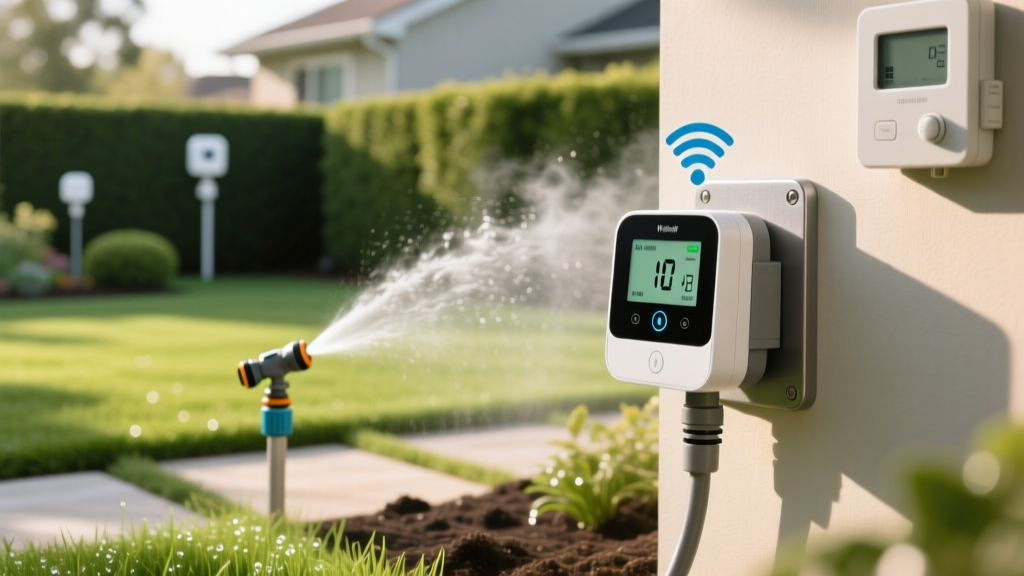
Smart Irrigation Controllers: The Ultimate Buyer's Guide
Robert HayesPublished
The Evolution of Lawn Care: Traditional vs. Smart Controllers
For decades, the standard clock-based sprinkler timer was the undisputed king of lawn maintenance. You set the dial, chose your run times, and hoped for the best. But legacy timers operate blindly, watering your lawn during torrential downpours, freezing temperatures, and high-wind events. This outdated approach not only wastes thousands of gallons of water annually but also promotes shallow root growth, fungal diseases, and nutrient runoff.
Enter the smart irrigation controller. Bridging the gap between outdoor landscaping and indoor smart home ecosystems, Wi-Fi-enabled sprinkler timers use real-time data to make precise watering decisions. Whether you are managing a sprawling suburban estate or a compact urban garden, upgrading to a smart controller is one of the most impactful equipment investments you can make for an energy-efficient, sustainable landscape.
The Science of Smart Watering: ET vs. Soil Moisture
When shopping for a smart controller, you will generally encounter two primary types of weather-smart technology. Understanding the difference is crucial for selecting the right tool for your specific soil type and climate.
Weather-Based (Evapotranspiration) Controllers
These controllers connect to local weather stations via Wi-Fi to calculate Evapotranspiration (ET)—the combined rate of water evaporation from the soil and transpiration from plants. By analyzing variables like solar radiation, humidity, wind speed, and temperature, ET controllers automatically adjust daily run times to replace exactly what the landscape has lost. They are ideal for regions with distinct seasonal shifts and varied microclimates.
Soil Moisture Sensor Controllers
Instead of relying on atmospheric data, these systems utilize physical probes buried in the root zones of your lawn or garden beds. The sensors measure the actual volumetric water content in the soil and override the scheduled irrigation cycle if the moisture levels are already adequate. This method is highly recommended for heavy clay soils that retain water longer, or for slopes where runoff is a persistent issue.
Must-Have Features in Modern Smart Controllers
Not all smart timers are created equal. To truly future-proof your irrigation system and integrate it seamlessly into your smart home setup, look for the following features:
- Hyper-Local Weather Intelligence: Premium models pull data from multiple local weather sources, including personal weather stations in your neighborhood, to account for microclimates.
- Smart Home Integration: Ensure the controller supports your preferred ecosystem, whether that is Apple HomeKit, Amazon Alexa, Google Home, or Samsung SmartThings, allowing for voice commands and automated routines.
- Flow Meter Compatibility: Advanced units can pair with a physical flow meter to detect micro-leaks, broken sprinkler heads, or mainline bursts, instantly shutting off the system and sending an alert to your smartphone.
- Independent Zone Scheduling: Your lawn, shade garden, and vegetable beds all have different hydration needs. The ability to customize soil type, sun exposure, and sprinkler head type per zone is non-negotiable.
- WaterSense Certification: Look for the EPA WaterSense label, which guarantees the product has been independently tested for water efficiency and performance.
2024 Smart Sprinkler Controller Comparison Chart
To help you navigate the market, we have evaluated the top-performing smart irrigation controllers currently available. This chart breaks down their capabilities, compatibility, and approximate retail costs.
| Model | Max Zones | Weather Data Source | Smart Home Ecosystem | Est. Cost |
|---|---|---|---|---|
| Rachio 3 Smart Sprinkler | 8 or 16 | Hyper-local (Weather Intelligence Plus) | Alexa, Google, Apple HomeKit, IFTTT | $229 - $279 |
| B-hyve XR Smart Controller | 8 or 16 | WeatherSense (Local NOAA data) | Alexa, Google Home, B-hyve App | $179 - $219 |
| Rain Bird ST8I-2.0 | 8 | Local Weather (via Rain Bird App) | Alexa, Google Home | $149 - $169 |
| Orbit B-hyve Smart Timer | 6 or 12 | WeatherSense Technology | Alexa, Google Home | $99 - $129 |
Note: Prices fluctuate based on seasonal promotions and zone count. Always verify compatibility with your existing irrigation wiring before purchasing.
DIY Installation: Swapping Your Old Timer
Upgrading your equipment is a highly manageable weekend DIY project. Most smart controllers are designed for direct retrofitting into standard indoor or garage-mounted timer locations. Follow these steps for a safe and successful installation:
- Cut the Power: Turn off the circuit breaker supplying power to your existing irrigation controller or unplug it from the wall outlet.
- Document the Wiring: Before disconnecting a single wire, take a high-resolution, well-lit photograph of your current wiring terminal block. Label each wire with painter's tape if the terminal numbers are faded.
- Mount the New Baseplate: Remove the old unit and use the provided template to drill new pilot holes for your smart controller's baseplate. Ensure it is level and securely anchored to the drywall or siding.
- Connect the Zone and Common Wires: Thread your existing field wires into the new terminal block. The white or black wire is typically your 'Common' (C) wire, while the colored wires correspond to your individual zones (1, 2, 3, etc.).
- Power Up and Configure: Restore power to the unit. Download the manufacturer's app, connect the controller to your 2.4GHz Wi-Fi network, and use the in-app wizard to map your zones, input your soil types, and set your watering preferences.
Maximizing ROI: Rebates and Environmental Impact
The financial and ecological benefits of smart irrigation are staggering. According to the Environmental Protection Agency (EPA) WaterSense program, upgrading to a WaterSense labeled smart irrigation controller can save the average home nearly 7,600 gallons of water annually. When you extrapolate that across millions of households, the conservation impact is monumental.
Furthermore, the United States Geological Survey (USGS) notes that landscape irrigation accounts for nearly one-third of all residential water use, making precision watering a critical component of modern eco-friendly landscaping. By eliminating water waste, homeowners frequently see a 20% to 40% reduction in their summer utility bills, allowing the smart controller to pay for itself within one to two seasons.
Additionally, many municipal water districts and local utility companies offer aggressive rebate programs for installing WaterSense-certified smart controllers. Before purchasing, check your local water provider's website to see if you qualify for a partial or full reimbursement on your new equipment.
Optimizing Zones: Pairing Hardware for Peak Efficiency
A smart controller is only as effective as the hardware it commands. To maximize your water savings and ensure even coverage, consider auditing and upgrading your physical sprinkler components alongside your new timer.
For turf grass zones, swap out traditional spray nozzles for high-efficiency rotary nozzles (such as MP Rotators). These devices apply water at a much slower rate, allowing it to penetrate deep into the soil rather than pooling on the surface and running off into the street. For garden beds, shrubs, and foundation plantings, transition to a drip irrigation system. As highlighted in the EPA's outdoor water use guidelines, drip irrigation delivers water directly to the root zone, reducing evaporation and wind drift by up to 50% compared to overhead spraying.
Final Thoughts on Smart Landscaping
Integrating a smart irrigation controller into your home and garden setup is a definitive step toward sustainable, low-maintenance landscaping. By leveraging real-time weather data, customizing zone schedules, and pairing your timer with high-efficiency nozzles, you can cultivate a vibrant, resilient outdoor living space while conserving one of our most vital natural resources. Take the time to assess your landscape's unique microclimates, choose a controller that fits your smart home ecosystem, and enjoy the peace of mind that comes with intelligent, automated lawn care.
