
Landscaping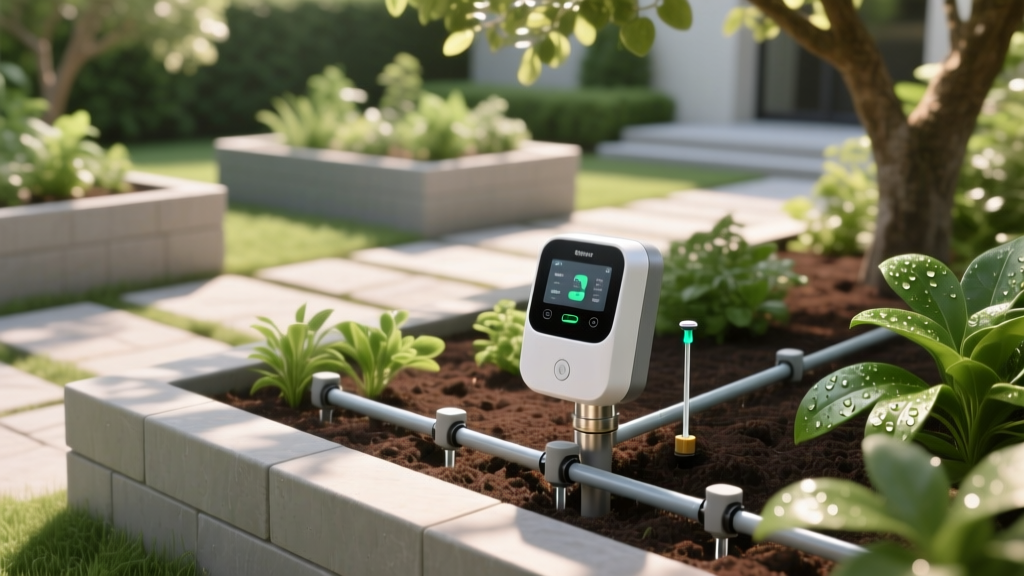
Smart Irrigation Controllers for Garden Beds: Top 3 Reviewed
Anna KowalskiPublished
The Evolution of Landscape Watering
When investing thousands of dollars into professional landscape design, hardscaping projects, and lush garden bed planning, the last thing any homeowner wants is to see their botanical investments wither due to improper hydration. Traditional sprinkler timers are notoriously inefficient, operating on rigid schedules that ignore the nuances of local weather, soil composition, and specific plant requirements. This often leads to overwatered hardscapes, waterlogged shrub roots, and skyrocketing utility bills. Enter the smart irrigation controller: a Wi-Fi-enabled device that acts as the brain of your landscape's hydration system, automatically adjusting watering schedules based on real-time environmental data.
For landscaped garden beds, which often utilize a mix of drip irrigation, soaker hoses, and low-volume micro-sprays, precision is everything. Unlike broad turfgrass zones that demand uniform coverage, garden beds feature diverse plantings with varying root depths and moisture needs. In this comprehensive product review and comparison, we evaluate the top three smart irrigation controllers on the market to help you determine which system best supports your unique landscaping goals, curb appeal improvements, and sustainable landscaping practices.
Why Landscaped Garden Beds Need Smart Irrigation
According to the Environmental Protection Agency (EPA) WaterSense program, upgrading to a smart irrigation controller can save the average home nearly 7,600 gallons of water annually. But beyond the financial savings, smart controllers protect your landscape design. Overwatering is the leading cause of root rot in ornamental shrubs and perennials. By utilizing local weather station data, soil type inputs, and evapotranspiration (ET) rates, these devices ensure your garden beds receive exactly the amount of moisture they need, precisely when they need it.
A smart irrigation controller is not just a timer; it is an active landscape management tool that adapts to seasonal shifts, sudden rainstorms, and drought restrictions without requiring manual reprogramming.
Furthermore, the EPA notes that outdoor water use accounts for nearly 30% of total household water consumption, with half of that being wasted due to wind, evaporation, and runoff. By integrating a smart controller, you align your outdoor living spaces with modern sustainability standards.
1. Rachio 3 Smart Sprinkler Controller: The Landscaper’s Choice
The Rachio 3 is widely considered the gold standard for smart irrigation, particularly for tech-savvy homeowners and landscape designers who demand granular control over their garden zones. Available in 8-zone and 16-zone configurations, the Rachio 3 connects seamlessly to your home's Wi-Fi network and utilizes a feature called Weather Intelligence Plus.
Key Features and Performance
Weather Intelligence Plus goes beyond basic rain delays. It monitors hyper-local weather data to skip watering during freezing temperatures, high winds (which prevents water from blowing onto your permeable pavers or patio furniture), and saturated soil conditions. For garden beds, the Rachio app allows you to customize each zone based on vegetation type, soil composition (clay, loam, or sand), and sun exposure.
- Pros: Unmatched app interface, hyper-local weather tracking, seamless integration with smart home ecosystems (Alexa, Google Home, Apple HomeKit), and EPA WaterSense certification.
- Cons: Premium price point (typically around $230-$250), and the indoor unit requires a weatherproof enclosure if mounted outside.
Best For: Complex landscape designs with multiple micro-climates, diverse garden beds, and homeowners who want detailed water usage analytics.
2. Rain Bird ST8I-2.0 Smart WiFi Timer: The Hardscape Hero
Rain Bird is a legacy brand in the irrigation industry, and their ST8I-2.0 Smart Indoor WiFi Sprinkler System Timer brings old-school reliability into the digital age. This 8-zone controller is a favorite among landscaping contractors because it integrates flawlessly with Rain Bird’s extensive line of drip irrigation components, Xeri-Drip emitters, and 1800 series spray heads.
Key Features and Performance
The Rain Bird app is slightly less flashy than Rachio’s, but it is highly functional and prioritizes stability. It automatically adjusts watering schedules based on local weather forecasts to prevent overwatering. One standout feature for garden bed planning is the 'Seasonal Adjust' slider, which allows you to globally increase or decrease the watering duration for all zones by a set percentage as the seasons change, without rewriting your base schedule.
- Pros: Exceptional build quality, highly compatible with existing Rain Bird drip systems, user-friendly push-button interface on the physical unit, and a more budget-friendly price (around $150).
- Cons: Weather data is slightly less granular than Rachio's, and it lacks native support for some niche smart home platforms.
Best For: Homeowners who already have Rain Bird hardware installed in their garden beds and want a reliable, no-nonsense smart upgrade.
3. Orbit B-hyve Smart Controller: Best for Budget Landscapes
For those undertaking DIY landscaping projects or managing smaller urban gardens, the Orbit B-hyve Smart Indoor/Outdoor Sprinkler Controller offers incredible value. Priced aggressively at around $100, the B-hyve provides Weather Sense technology, which automatically adjusts watering based on local weather conditions and soil moisture data.
Key Features and Performance
The B-hyve is available in 6, 8, and 12-zone models, and notably, the outdoor version comes in a sleek, weather-resistant casing that can be mounted directly on a fence or exterior wall without needing an additional weatherproof box. This makes it an excellent choice for homes where the irrigation manifold is located near a side-yard garden bed or patio.
- Pros: Excellent price-to-feature ratio, built-in weatherproof casing for outdoor models, easy DIY installation, and WaterSense certified.
- Cons: The app interface can be cluttered, and the physical buttons on the unit feel less durable than competitors.
Best For: Budget-conscious landscapers, DIYers, and smaller properties with straightforward garden bed layouts.
Head-to-Head Comparison Chart
| Feature | Rachio 3 | Rain Bird ST8I-2.0 | Orbit B-hyve |
|---|---|---|---|
| Price (Approx.) | $230 - $250 | $140 - $160 | $90 - $110 |
| Zones Available | 8 or 16 | 8 | 6, 8, or 12 |
| Weather Data | Hyper-Local (Weather Intel+) | Local Forecast | Weather Sense |
| Smart Home Integration | Extensive (Apple, Google, Alexa) | Limited (Alexa, Google) | Moderate (Alexa, Google) |
| Indoor/Outdoor | Indoor (Needs box for outdoor) | Indoor Only | Both (Outdoor has casing) |
| Best Use Case | Complex, multi-zone landscapes | Reliable drip system integration | Budget-friendly DIY installs |
Optimizing Drip Zones for Trees, Shrubs, and Flower Beds
When transitioning to a smart controller, the most common mistake homeowners make is treating drip irrigation zones the same as traditional spray head zones. According to research and guidelines published by the Colorado State University Extension, drip systems apply water much slower than traditional sprinklers, meaning they require significantly longer run times but less frequent watering schedules.
For example, a standard spray head might output 1.5 gallons per minute (GPM), while a typical drip emitter outputs just 1 to 2 gallons per hour (GPH). If you program your Rachio or Rain Bird controller to run your garden bed drip zones for the same 15-minute window as your turfgrass zones, your ornamental plants will severely underwater. When setting up your smart controller, be sure to select 'Drip' or 'Bubbler' as the nozzle type in the app. This prompts the algorithm to calculate longer soak times, allowing moisture to penetrate deeply into the soil profile and encouraging deep, drought-resistant root growth in your trees and shrubs.
Installation Tips for Outdoor Living Spaces
Integrating a smart controller into a newly designed outdoor living space requires some foresight. If your irrigation manifold is located near a hardscaped patio, a retaining wall, or a permeable paver driveway, you will need to route the low-voltage wiring carefully. Always use PVC conduit when running irrigation wires beneath gravel paths, mulch beds, or newly laid sod to protect them from future landscaping maintenance, such as aeration or edging.
If you opt for an indoor-only model like the Rain Bird ST8I-2.0 or the standard Rachio 3, ensure your garage or exterior wall has a strong Wi-Fi signal. Landscaping features like dense evergreen hedges, stone veneer walls, and metal privacy screens can severely degrade Wi-Fi signals. Consider installing a Wi-Fi extender near the controller to ensure it maintains a constant connection to the cloud for real-time weather updates.
Final Verdict: Which Controller Should You Choose?
Selecting the right smart irrigation controller ultimately depends on the complexity of your landscape design and your budget. If you have invested heavily in diverse garden beds, native plantings, and intricate hardscaping, the Rachio 3 is worth the premium price for its unparalleled precision and app experience. For homeowners who prioritize hardware reliability and already utilize Rain Bird drip components, the Rain Bird ST8I-2.0 offers a perfect blend of legacy durability and modern convenience. Finally, if you are tackling a weekend DIY landscaping project and need an affordable, weatherproof solution, the Orbit B-hyve delivers exceptional value.
By upgrading to any of these smart systems, you are not only conserving a vital natural resource but also ensuring that your landscape architecture thrives season after season, maximizing your home's curb appeal and outdoor enjoyment.

