
Landscaping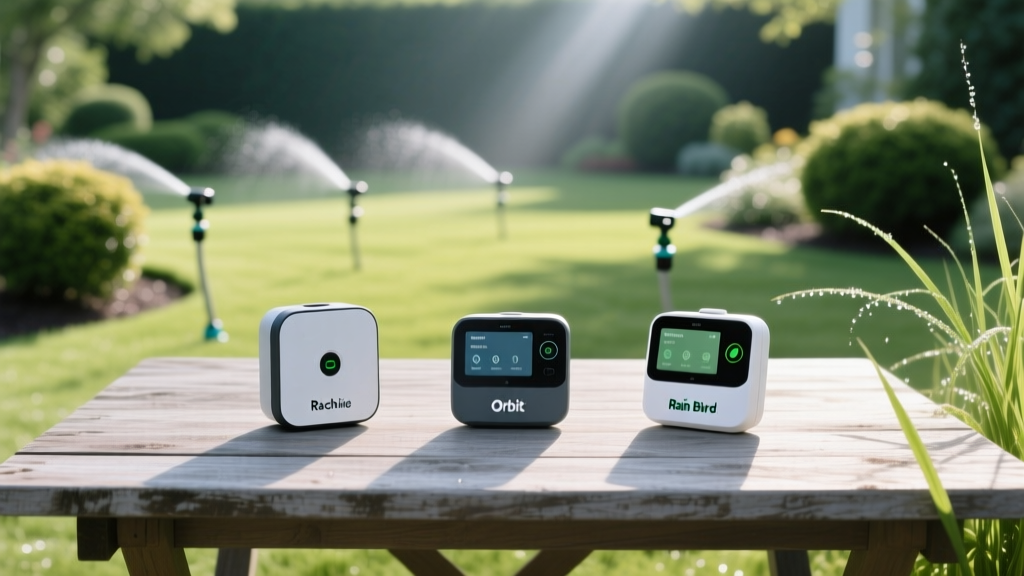
Top Smart Irrigation Controllers for Yards Reviewed
Sarah ChenPublished
Transform Your Landscape with Smart Irrigation
Maintaining a pristine landscape requires precision, especially when it comes to water management. As homeowners and landscaping enthusiasts seek sustainable ways to keep their garden beds, turf, and hardscaping elements in peak condition, the technology we use to irrigate has become just as important as the plants we choose. Enter the smart irrigation controller. Unlike traditional timers that blindly water your yard on a set schedule regardless of the weather, smart controllers utilize real-time data to optimize watering schedules. In this comprehensive review and comparison, we evaluate the top smart irrigation controllers on the market to help you make an informed decision for your landscape.
Why Upgrade to a Smart Sprinkler Controller?
Traditional clock-based timers are notorious for overwatering. They do not account for recent rainfall, humidity levels, or seasonal shifts. According to the Environmental Protection Agency (EPA) WaterSense program, an improperly scheduled automatic irrigation system can waste up to 50% of the water it uses due to wind, evaporation, and runoff. Smart controllers solve this by acting as the 'brain' of your irrigation system.
There are two primary types of smart controllers:
- Weather-Based (ET) Controllers: These use local weather data (evapotranspiration or ET) to adjust watering schedules. They pull data from hyperlocal weather stations or national networks.
- Soil Moisture Sensor Controllers: These rely on sensors buried in your landscape beds or lawn to measure the actual moisture content in the root zone, triggering irrigation only when the soil drops below a specific threshold.
Upgrading to a smart system not only lowers your monthly water bills but also prevents fungal diseases caused by overwatering, reduces nutrient runoff into local waterways, and promotes deeper, healthier root growth in your turf and ornamental plants.
Top Smart Irrigation Controllers Compared
To help you visualize the differences between the market leaders, we have compiled a comparison chart of the most popular models.
| Feature | Rachio 3 | Orbit B-hyve | Rain Bird ST8I-2.0 |
|---|---|---|---|
| Zones Available | 8 or 16 | 6, 12, or 24 | 8 |
| Weather Intelligence | Hyperlocal (Weather+) | WeatherSense | Basic Local Weather |
| Indoor/Outdoor | Indoor (Outdoor box sold separately) | Both (Model dependent) | Indoor Only |
| EPA WaterSense Certified | Yes | Yes | Yes |
| Approximate Cost | $150 - $230 | $100 - $140 | $110 - $130 |
In-Depth Product Reviews
1. Rachio 3 Smart Sprinkler Controller
The Rachio 3 is widely considered the gold standard in the smart irrigation space. Available in 8-zone and 16-zone configurations, it is designed for homeowners who want a 'set it and forget it' experience without sacrificing granular control.
Key Features:
- Weather Intelligence Plus: Rachio skips watering automatically based on rain, wind, freeze, and saturation. It uses hyperlocal weather data to ensure your landscape gets exactly what it needs.
- App Interface: The Rachio app is incredibly intuitive, offering visual graphs of water savings and allowing you to customize soil type, plant type, and sun exposure for every single zone.
- Smart Home Integration: Seamlessly integrates with Apple HomeKit, Google Assistant, Amazon Alexa, and IFTTT.
Pros: Best-in-class app, highly accurate weather tracking, excellent customer support, and robust smart home ecosystem integration.
Cons: The base unit is for indoor use only; if you need to mount it outside, you must purchase a separate weatherproof enclosure (adding about $30-$40 to the total cost).
The Rachio 3 is the ultimate choice for tech-savvy landscapers who want maximum efficiency and detailed insights into their water usage.
2. Orbit B-hyve Smart Indoor/Outdoor Sprinkler Controller
If you are looking for a budget-friendly option that doesn't skimp on core smart features, the Orbit B-hyve is a formidable contender. Orbit offers both indoor and outdoor models, making it highly versatile for different installation environments.
Key Features:
- WeatherSense Technology: This feature uses local weather data and site-specific conditions (like slope, soil type, and plant type) to adjust watering schedules dynamically.
- Hardware Design: The outdoor model features a durable, weather-resistant casing with a physical lock, which is a great feature if your controller is mounted in an easily accessible side yard.
- Manual Controls: Unlike some competitors that rely entirely on a smartphone app, the B-hyve features a physical digital dial and buttons on the faceplate, allowing for manual overrides if your WiFi goes down.
Pros: Excellent value for money, outdoor-rated models available out of the box, physical manual controls, and easy DIY installation.
Cons: The app interface feels slightly dated compared to Rachio, and the weather data integration is occasionally less precise in rural areas.
The Orbit B-hyve is the best pick for budget-conscious homeowners and those who need a rugged, outdoor-rated unit straight out of the box.
3. Rain Bird ST8I-2.0 Smart Indoor WiFi Sprinkler System Timer
Rain Bird is a legacy brand in the irrigation industry, trusted by professional landscapers for decades. The ST8I-2.0 is their premier smart offering for residential landscapes, bringing professional-grade reliability to the smart home market.
Key Features:
- Watering Logic: Rain Bird's algorithm calculates watering schedules based on local weather, seasonal changes, and specific zone parameters. It automatically adjusts the duration and frequency of watering.
- Push Notifications: The app alerts you to watering delays due to rain, freeze warnings, or system diagnostics (like a broken valve wire).
- Simplicity: The setup process is streamlined, and the app avoids overwhelming the user with overly complex data metrics, focusing instead on straightforward scheduling.
Pros: Backed by a legendary irrigation brand, reliable hardware, straightforward app, and excellent diagnostic alerts for troubleshooting.
Cons: Limited to 8 zones, indoor use only, and lacks the advanced third-party smart home integrations found in the Rachio ecosystem.
Choose the Rain Bird ST8I-2.0 if you prefer a no-nonsense, reliable controller from a heritage irrigation brand and have a smaller landscape with 8 or fewer zones.
Key Features to Consider Before Buying
When selecting a smart controller for your landscaping project, keep the following critical factors in mind:
- Zone Count: Map out your landscape. Count your turf zones, drip irrigation zones for garden beds, and any dedicated zones for hardscaping features or potted plants. Always buy a controller with at least 2 to 4 extra zones to allow for future landscape expansion.
- Connectivity Requirements: Smart controllers require a stable 2.4GHz WiFi signal at the installation site. If your controller is in a detached garage or a far corner of the basement, you may need to install a WiFi range extender.
- Flow Meters and Soil Sensors: While weather-based ET controllers are excellent, pairing them with a soil moisture sensor or a flow meter provides the ultimate precision. The Alliance for Water Efficiency highly recommends integrating soil sensors in areas with microclimates or heavy shade where weather-based ET might overestimate evaporation.
- Wiring Compatibility: Most smart controllers are compatible with standard 24V AC irrigation systems. However, if you have a proprietary 'two-wire' system or a DC latching solenoid system, you will need specialized adapters or specific commercial-grade controllers.
Installation Tips and Utility Rebates
Installing a smart controller is a highly manageable DIY project that typically takes 30 to 45 minutes.
- Document Your Wiring: Before disconnecting your old controller, take a clear, well-lit photograph of the wiring terminal block. Labeling wires with painter's tape is also highly recommended.
- Turn Off Power: Always unplug the old transformer or turn off the breaker before handling irrigation wires to prevent shorting out the transformer.
- Mount and Connect: Use the provided template to drill new mounting holes. Strip 1/2 inch of insulation from the wires and secure them into the new terminal block.
- App Setup: Download the manufacturer's app, connect the device to your 2.4GHz WiFi network, and input your specific landscape data (soil type, plant type, sprinkler head type, and sun exposure) for each zone.
Don't Forget the Rebates! Because smart controllers significantly reduce municipal water strain, many local water utilities offer substantial rebates. The EPA WaterSense program notes that certified smart controllers can save the average home nearly 7,600 gallons of water annually. Before purchasing, check your local water provider's website; it is common to receive rebates ranging from $50 to $150, which can effectively make your new smart controller entirely free.
Final Verdict
Upgrading your landscape's irrigation system is one of the highest-ROI improvements you can make for your outdoor living space. If you want the absolute best app experience and hyperlocal weather tracking, the Rachio 3 is the undisputed champion. If you need an outdoor-rated, budget-friendly workhorse with physical dials, the Orbit B-hyve is your best bet. Finally, for those who value legacy brand reliability and straightforward operation, the Rain Bird ST8I-2.0 will not disappoint. Whichever you choose, your landscape will thrive, and your water bill will shrink.

