Lawn Care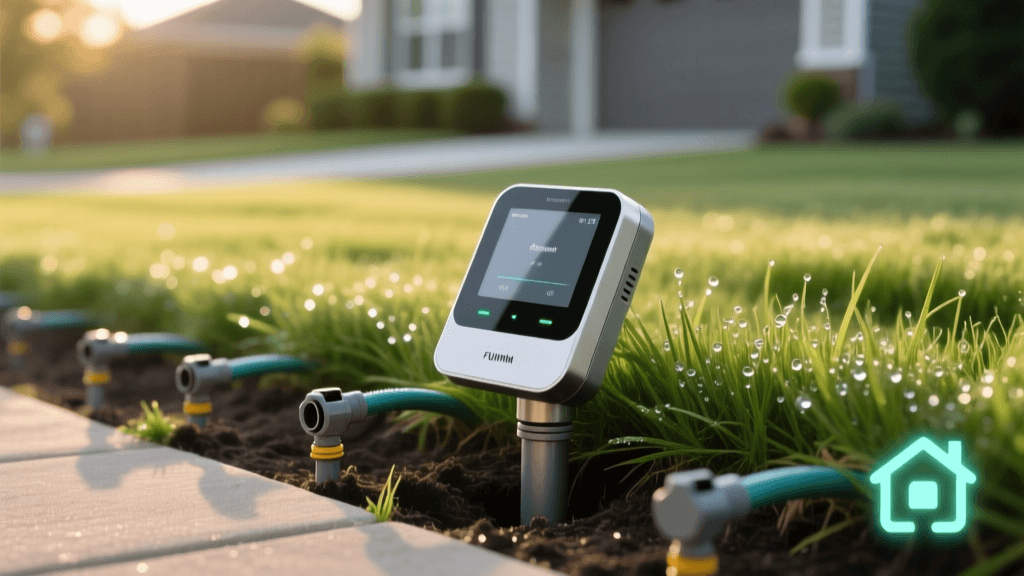
Smart Irrigation Controllers: Automate Lawn Watering
The Evolution of Lawn Irrigation: From Timers to Smart Automation
Upgrading your lawn care routine with smart home automation is no longer a futuristic concept; it is a practical, cost-effective reality for modern homeowners. For decades, traditional sprinkler timers operated on rigid, static schedules. They watered the lawn at the exact same time and duration, regardless of whether a massive rainstorm had just passed or a drought was in full swing. This outdated approach leads to shallow root systems, fungal diseases from overwatering, and skyrocketing utility bills.
Enter the smart irrigation controller. By leveraging Wi-Fi connectivity, hyper-local weather data, and smart home ecosystems, these devices take the guesswork out of lawn hydration. According to EPA WaterSense, upgrading to a smart irrigation controller can save the average home nearly 8,800 gallons of water annually. In this comprehensive guide, we will explore how to select, install, and integrate a smart sprinkler system into your home automation setup to achieve a pristine, drought-resilient lawn.
How Smart Sprinkler Controllers Actually Work
Unlike standard timers that rely on a simple clock mechanism, smart controllers utilize advanced algorithms to calculate the exact water requirements of your landscape. They primarily fall into two categories:
- Weather-Based (ET) Controllers: These devices calculate Evapotranspiration (ET)—the sum of evaporation from the soil and transpiration from plants. By pulling real-time data from local weather stations, they adjust watering schedules based on temperature, humidity, solar radiation, and wind speed.
- Soil Moisture-Based Controllers: These rely on physical sensors buried in the root zone to measure the actual volumetric water content of the soil, triggering irrigation only when moisture drops below a specific threshold.
Research published by the University of Florida IFAS Extension highlights that weather-based smart controllers can reduce outdoor water use by 15% to 30% compared to traditional clock-based timers, without compromising turfgrass quality.
Top Smart Irrigation Controllers Compared
Choosing the right hardware is critical for seamless smart home integration. Below is a comparison of the top smart irrigation controllers currently on the market, evaluated on zone capacity, smart features, and ecosystem compatibility.
| Model | Zones | Key Smart Features | Smart Home Integration | Est. Cost |
|---|---|---|---|---|
| Rachio 3 | 8 or 16 | Weather Intelligence Plus, freeze skip, wind skip | Apple HomeKit, Alexa, Google, IFTTT | $229 - $279 |
| Orbit B-hyve XR | 6 to 16 | WeatherSense technology, water usage tracking | Alexa, Google Assistant | $150 - $190 |
| Hunter Hydrawise Pro-HC | 6 to 22 | Predictive weather, flow sensor compatibility | Amazon Alexa, Hunter App | $250 - $320 |
Deep Dive: Rachio 3 Smart Sprinkler Controller
The Rachio 3 is widely considered the gold standard for smart home enthusiasts. Its standout feature is 'Weather Intelligence Plus,' which utilizes hyper-local data from over 100,000 weather stations to create highly accurate, zone-specific schedules. It natively supports Apple HomeKit, allowing you to trigger your sprinklers via Siri or include them in complex HomeKit automations. For cool-season grasses like Kentucky Bluegrass or Tall Fescue, the Rachio's 'Flex Daily' schedule automatically adjusts run times to deliver the necessary 1 to 1.5 inches of weekly water based on daily ET rates.
Deep Dive: Orbit B-hyve Smart Wi-Fi Sprinkler
For budget-conscious homeowners, the Orbit B-hyve XR offers exceptional value. While its app interface is slightly less refined than Rachio's, its WeatherSense technology is highly effective. It also features a built-in flow meter integration, which can alert your smartphone if a sprinkler head breaks or a pipe leaks, preventing catastrophic water waste and landscape erosion.
Step-by-Step Installation for the DIY Homeowner
Installing a smart controller is a straightforward DIY project that typically takes under an hour. Here is an actionable, step-by-step guide:
- Power Down: Locate the 24V transformer for your existing sprinkler system and unplug it, or turn off the dedicated breaker. Never work on irrigation wiring while it is live.
- Document the Wiring: Before removing a single wire from your old timer, take a high-resolution photo of the terminal block. Label each wire with painter's tape and a marker (e.g., Zone 1, Zone 2, Common, Master Valve).
- Mount the New Unit: Use the included mounting template to drill pilot holes and secure the smart controller to the wall. Ensure it is within range of your 2.4GHz Wi-Fi network.
- Connect the Wires: Strip a quarter-inch of insulation from the ends of the wires if they are frayed. Insert them into the corresponding color-coded or numbered terminals on the new smart controller. If you have multiple 'Common' wires, twist them together with a wire nut before inserting them into the 'C' terminal.
- Boot and Configure: Restore power. Download the manufacturer's app, connect the device to your Wi-Fi, and input your specific zone details (grass type, soil type, sun exposure, and slope).
Integrating Your Lawn with the Smart Home Ecosystem
The true power of smart irrigation lies in its ability to communicate with the rest of your smart home. By leveraging platforms like IFTTT (If This Then That), Apple HomeKit, or Amazon Alexa, you can create highly customized automation routines.
- Geofencing for Entertaining: Set up a geofence automation that pauses the backyard sprinkler zones if your smartphone (or a specific number of guests' phones) is detected in the backyard during evening hours.
- Window and Door Sensors: Link your smart controller to your home security system. If a backyard window or sliding door is left open, the automation will automatically skip watering that specific zone to prevent water from spraying into your home.
- Seasonal Adjustments via Smart Thermostats: Use IFTTT to link your smart thermostat to your irrigation. When your thermostat detects that the indoor ambient temperature has consistently dropped below 60°F (signaling the onset of autumn dormancy for warm-season grasses), it can trigger an alert to your phone reminding you to winterize the system.
The Missing Link: Wireless Soil Moisture Sensors
While weather-based ET algorithms are incredibly accurate, they cannot account for microclimates in your yard. A zone that receives heavy shade from a mature oak tree will retain moisture much longer than a zone in full, unobstructed sunlight. To bridge this gap, integrate wireless soil moisture sensors.
Devices like the Toro Precision Soil Sensor or the Vegetronix VH400 can be buried at the root zone depth (typically 4 to 6 inches for cool-season grasses, and 6 to 8 inches for warm-season varieties like Bermuda or Zoysia). These sensors communicate directly with the smart controller, overriding the weather-based schedule if the soil is already saturated. According to the Irrigation Association, combining smart controllers with on-site soil moisture sensors represents the pinnacle of water-efficient landscape management, virtually eliminating the risk of overwatering.
Cost Analysis, Rebates, and Water Savings
The upfront cost of a smart irrigation controller ranges from $150 to $320, with professional installation adding another $100 to $200 if you choose not to DIY. However, the return on investment is rapid.
'Smart irrigation controllers are a cornerstone of modern water conservation. By matching water application to actual landscape needs, homeowners can see a 20% to 50% reduction in outdoor water use, often paying for the device in water savings within a single irrigation season.' — Irrigation Association Smart Watering Initiative
Furthermore, because these devices are certified by the EPA WaterSense program, many local municipal water authorities offer aggressive rebates. It is highly common for water districts to rebate 50% to 100% of the purchase price of a smart controller to incentivize municipal water conservation. Always check with your local utility provider before purchasing to maximize your savings.
Conclusion
Transitioning to a smart irrigation controller is one of the most impactful upgrades you can make to your lawn care regimen. By replacing outdated, static timers with dynamic, weather-responsive automation, you not only cultivate a deeper-rooted, healthier, and more disease-resistant lawn, but you also contribute to vital water conservation efforts. Whether you opt for the HomeKit-compatible Rachio 3 or the budget-friendly Orbit B-hyve, integrating your sprinkler system into your smart home ecosystem ensures your lawn receives exactly what it needs, precisely when it needs it, with zero manual intervention required.