Home & Garden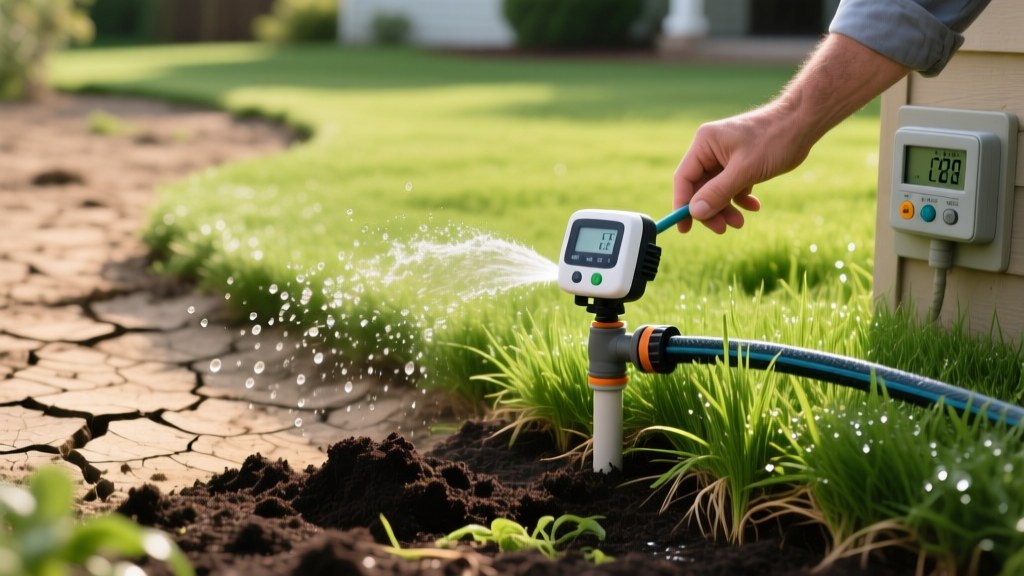
Smart Irrigation Strategies for Post-Drought Lawn Recovery
Emily WatsonPublished
Bridging Outdoor Living and Lawn Health
Your lawn is the foundation of your outdoor living space. It is the green carpet that connects your patio furniture, outdoor kitchen, and garden-to-table planting beds into a cohesive, inviting environment. However, severe summer droughts and municipal water restrictions can leave this vital space looking brown, patchy, and lifeless. When the rains finally return or water restrictions lift, homeowners are often left staring at a damaged landscape, unsure of where to begin.
Lawn renovation and recovery after a drought requires more than just turning on the sprinklers and hoping for the best. It demands a strategic approach that combines physical soil rehabilitation with modern smart home technology. By integrating smart irrigation controllers with targeted cultural practices like core aeration and overseeding, you can not only recover your drought-stressed grass but also build a more resilient, water-efficient landscape for the future.
Diagnosing the Damage: Dormancy vs. Death
Before you invest time and money into renovation, you must determine the actual state of your lawn. Cool-season grasses like Kentucky bluegrass and tall fescue have a natural survival mechanism: dormancy. When water is scarce, they shut down top growth and turn brown to protect the crown (the growing point at the soil line). Warm-season grasses like bermudagrass and zoysia do the same during extreme heat and drought.
The Tug Test and Crown Inspection
To differentiate between dormant and dead grass, perform the 'tug test.' Grab a handful of brown grass and pull gently. If it resists and stays rooted, the grass is likely dormant. If it pulls up effortlessly with no root resistance, the plant has died. Next, part the grass blades and inspect the crown at the soil level. A healthy, dormant crown will feel firm and appear white or pale green. If the crown is brittle, mushy, or dark brown, that section of the lawn has perished and will require complete renovation through overseeding or sodding.
The Smart Home Integration: Upgrading Your Irrigation
Traditional timer-based sprinkler systems are notoriously inefficient, often watering on fixed schedules regardless of recent rainfall or soil moisture levels. According to the EPA WaterSense program, upgrading to a smart irrigation controller can save the average home nearly 7,600 gallons of water annually while providing the precise hydration needed for lawn recovery.
Weather-Based (ET) vs. Soil Moisture Sensors
Smart controllers generally fall into two categories, both of which are ideal for post-drought recovery:
- Weather-Based (Evapotranspiration or ET) Controllers: These devices connect to your home Wi-Fi and pull real-time local weather data. They calculate the exact amount of water your lawn needs based on temperature, humidity, wind, and solar radiation. Brands like Rachio and Rain Bird offer excellent ET controllers that integrate seamlessly with smart home ecosystems like Amazon Alexa and Apple HomeKit.
- Soil Moisture Sensor Controllers: These use physical probes buried in the root zone (typically 2 to 4 inches deep) to measure the actual volumetric water content of the soil. They override scheduled watering if the soil is already sufficiently moist, preventing the overwatering that often leads to shallow root systems and fungal diseases.
Pro Tip: When programming your smart controller for a recovering lawn, utilize the 'cycle and soak' method. Instead of running a zone for 30 continuous minutes—which leads to runoff on compacted, drought-baked soil—program three 10-minute cycles spaced an hour apart. This allows the hydrophobic (water-repellent) dry soil time to absorb the moisture deeply.
Physical Renovation: Aeration and Soil Amendment
Drought conditions cause soil to shrink, crack, and become severely compacted. When water is finally applied, it often pools on the surface or runs off into the street rather than penetrating the root zone. Physical renovation is mandatory to break this cycle.
Core Aeration
Rent a gas-powered core aerator or hire a professional landscaping service (typically costing between $75 and $150 for an average-sized yard). Core aeration pulls 3-inch plugs of soil and thatch out of the ground, creating channels for water, oxygen, and nutrients to reach the root zone. For severely compacted clay soils, perform a double-pass aeration, making the second pass perpendicular to the first.
Topdressing with Compost
Immediately after aeration, apply a 1/4-inch layer of finely screened organic compost over the lawn. Use a landscaping rake or a push broom to work the compost down into the aeration holes. This introduces vital microbial life back into the drought-stressed soil ecosystem and improves the soil's water-holding capacity. The Water Use It Wisely conservation initiative heavily advocates for amending soils with organic matter to drastically reduce long-term landscape water requirements.
Overseeding with Drought-Resilient Cultivars
For the dead zones identified during your initial inspection, overseeding is the most cost-effective recovery method. Select seed varieties that are bred for deep rooting and drought tolerance.
- Cool-Season Lawns: Turf-type tall fescue is the gold standard for drought recovery in transition zones and northern climates. Its deep root system can reach up to 3 feet, allowing it to access subsoil moisture. Apply seed at a rate of 5 to 8 lbs per 1,000 square feet.
- Warm-Season Lawns: Bermudagrass and zoysia are naturally drought-tolerant, but if you need to fill in dead patches, consider planting drought-hardy cultivars like 'TifTuf' bermudagrass, which uses up to 38% less water than older varieties.
After spreading the seed, use a starter fertilizer high in phosphorus (such as a 10-18-10 NPK ratio) to encourage rapid root development. Keep the seed consistently moist until germination occurs, which usually takes 7 to 14 days depending on the species.
Smart Watering Schedules for Renovation
Watering a newly seeded, recovering lawn requires a delicate balance. The top inch of soil must remain moist for germination, but the established grass needs deep, infrequent watering to drive roots downward. Utilize your smart controller's multiple program settings to manage these differing needs.
| Growth Stage | Watering Frequency | Duration per Zone | Smart Controller Setting |
|---|---|---|---|
| Seed Germination (Days 1-14) | 2 to 3 times daily | 3 to 5 minutes | Custom interval program; disable rain skip |
| Seedling Establishment (Days 15-30) | 1 time daily | 10 to 15 minutes | Custom daily program; enable rain skip |
| Deep Root Recovery (Day 31+) | 1 to 2 times weekly | 20 to 30 minutes (Cycle & Soak) | Weather-based ET auto-adjust; seasonal shift |
Managing Outdoor Living Spaces During Recovery
Lawn renovation heavily impacts how you use your outdoor living spaces. During the critical 30-day recovery window, you must protect the vulnerable new grass and aerated soil from heavy foot traffic and furniture compression.
- Relocate Heavy Furniture: Move heavy teak dining sets, cast-iron fire pits, and large outdoor sofas onto hardscaped areas like patios, decks, or gravel pads. If they must remain on the grass, place them on wide, load-distributing pavers to prevent the legs from sinking into the softened, aerated soil and severing new roots.
- Use Protective Pathways: If your outdoor kitchen or garden-to-table raised beds require frequent access, lay down temporary interlocking rubber patio tiles or wide stepping stones to create designated walkways. This prevents soil compaction in high-traffic zones, which is the leading cause of localized lawn failure.
- Adjust Lighting: If you have smart landscape lighting integrated into your home automation system, adjust the path lights to illuminate your temporary walkways, ensuring safe navigation at night without trampling the recovering turf.
Conclusion: Building a Resilient Outdoor Oasis
Recovering a lawn from severe drought damage is an opportunity to upgrade your landscape's infrastructure. By pairing the physical benefits of core aeration and compost topdressing with the precision of smart, weather-based irrigation, you bridge the gap between traditional gardening and modern smart home technology. The result is not just a temporarily green lawn, but a deeply rooted, drought-resilient outdoor living space that conserves water, lowers utility bills, and provides a lush, beautiful backdrop for your home's exterior for years to come.
