
Landscaping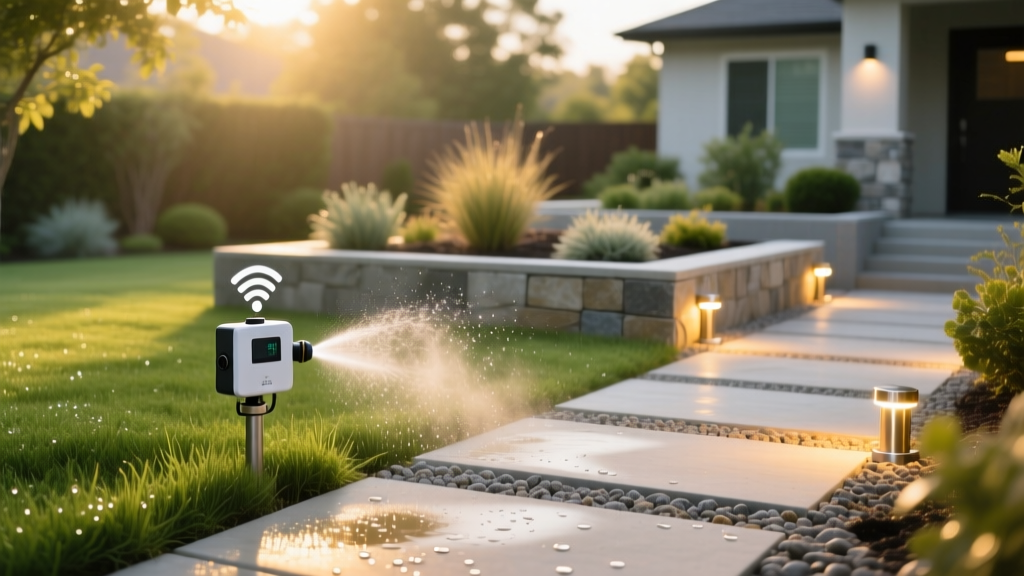
Smart Landscape Automation: Irrigation and Lighting Guide
Anna KowalskiPublished
The modern landscape is no longer just about soil, seed, and stone; it is increasingly defined by the invisible network of smart home technology running beneath the surface and behind the scenes. As homeowners seek to blend luxury outdoor living with sustainable practices, smart landscape automation has emerged as a game-changer. By integrating Wi-Fi-enabled irrigation controllers, automated LED lighting, and smart hardscaping features, you can drastically reduce your environmental footprint while boosting curb appeal and property value. Whether you are retrofitting an existing garden or designing a new outdoor oasis from scratch, understanding how to leverage automation is essential. This guide dives deep into the practical applications, costs, and environmental benefits of transforming your yard into a fully automated, smart landscape.
Smart Irrigation Controllers: The Brain of Your Lawn
Watering your lawn and garden beds efficiently is one of the most significant challenges in landscape maintenance. Traditional timer-based systems often overwater during rainy periods and underwater during heatwaves. Enter the smart irrigation controller. These devices connect to your home's Wi-Fi network and use real-time local weather data, soil moisture sensors, and evapotranspiration (ET) rates to adjust watering schedules automatically.
According to the Environmental Protection Agency (EPA), a standard home irrigation system can waste up to 25,000 gallons of water annually due to inefficiencies and outdated timing. Upgrading to an EPA WaterSense labeled smart controller can save the average home nearly 7,600 gallons of water per year.
Top Product Recommendations
- Rachio 3 Smart Sprinkler Controller: Priced around $229, this 8-zone or 16-zone controller integrates seamlessly with Alexa, Google Home, and Apple HomeKit. It features Weather Intelligence Plus, which automatically skips watering during rain, wind, or freezing temperatures.
- Orbit B-hyve Smart Timer: A more budget-friendly option at roughly $100, ideal for smaller lawns and drip irrigation setups. It includes a built-in weather sense feature and a manual override dial for quick adjustments.
- Rain Bird ST8I-2.0: Costing approximately $145, this indoor smart timer offers daily adjustments based on local weather and provides seasonal adjustability to scale watering up or down globally across all zones.
Installation and Setup
Replacing an old timer is a straightforward DIY project. Turn off the power to your existing controller, take a photo of the wire configurations, disconnect the wires, mount the new smart unit, and reconnect the wires to their corresponding zone terminals. Most smart controllers come with intuitive mobile apps that guide you through the zone-by-zone setup, asking for details like plant type, soil type, and sun exposure for each specific area of your yard.
Automated Landscape Lighting: Enhancing Curb Appeal and Security
Landscape lighting does more than illuminate a pathway; it extends the usable hours of your outdoor living spaces, highlights architectural and botanical features, and deters intruders. Smart landscape lighting takes this a step further by allowing you to control zones, adjust color temperatures, and set dynamic schedules directly from your smartphone.
Smart Transformers and LED Efficiency
The core of any low-voltage landscape lighting system is the transformer. Upgrading to a smart transformer allows you to control existing 12V or 15V halogen or LED fixtures via Bluetooth or Wi-Fi. However, if you are installing new fixtures, opt for integrated LED smart path lights and spotlights. The U.S. Department of Energy notes that LED lighting uses at least 75% less energy, and lasts 25 times longer, than incandescent lighting. In a landscape setting, this means fewer bulb replacements in hard-to-reach garden beds and significantly lower monthly electricity bills.
Zoning and Automation Strategies
- Perimeter Security: Link smart floodlights to your home security cameras. When a camera detects motion, the pathway and perimeter lights can automatically flash or brighten to 100% capacity to deter trespassers.
- Ambient Entertaining: Use smart RGBW (Red, Green, Blue, White) LED strip lighting under hardscape bench seating or pergola rafters. Set schedules to transition from bright, cool white during evening dinners to dim, warm amber for late-night relaxation.
- Astronomical Timers: While traditional photocells turn lights on when it gets dark, smart controllers use astronomical timers based on your GPS location. This ensures your lights turn on at the exact minute of sunset, adjusting automatically as the seasons change, eliminating the need to manually reset timers.
Comparison Chart: Top Smart Irrigation Controllers
| Brand / Model | Smart Features | WaterSense Certified | Approx. Cost |
|---|---|---|---|
| Rachio 3 | Weather Intelligence+, IFTTT, Voice Assistants | Yes | $229 |
| Orbit B-hyve | Weather Sense, App Control, Bluetooth | Yes | $100 |
| Rain Bird ST8I-2.0 | Weather Adjust, Seasonal Shift, Wi-Fi | Yes | $145 |
Integrating Hardscaping and Outdoor Living with Smart Tech
Beyond irrigation and lighting, smart home automation is heavily influencing hardscaping and outdoor living structures. Modern pergolas, water features, and outdoor kitchens are now being designed with integrated technology to maximize comfort and utility.
Automated Louvered Pergolas: Brands like StruXure and Azenco offer motorized pergolas with integrated rain sensors. When the sensor detects precipitation, the aluminum louvers automatically close, protecting your outdoor furniture and integrated smart TVs. When the sun returns, they reopen to allow natural light and ventilation. These systems typically cost between $15,000 and $30,000 for a standard 12x14 foot footprint but add immense functional value to an outdoor living room.
Smart Water Features: Pondless waterfalls and fountain basins can be equipped with smart Wi-Fi relays housed in weatherproof outdoor enclosures. This allows you to turn water features on or off remotely, or schedule them to run only when you are home, reducing pump wear and electricity usage.
Landscape Audio Integration: Hardscape speakers disguised as rocks or integrated into planter walls can be connected to smart amplifiers. This allows you to stream high-fidelity audio to your garden beds and patio areas, with volume levels automatically adjusting based on the time of day or ambient noise levels.
Environmental Impact and Return on Investment (ROI)
Investing in smart landscape automation is not just about convenience; it is a financially and environmentally sound decision. The EPA reports that outdoor water use accounts for 30% of total household water use, with that figure rising to 60% in arid regions. By implementing smart irrigation and drip zones for garden beds, homeowners can drastically reduce this footprint.
Furthermore, smart lighting and automated hardscape features contribute to a higher property valuation. According to landscape industry professionals, well-designed, low-voltage LED lighting and functional outdoor living spaces can yield a return on investment of up to 50% to 80% upon resale. The automation aspect appeals heavily to modern homebuyers who expect smart home ecosystems to extend beyond the front door and into the yard.
Getting Started with Your Smart Landscape
To begin your automation journey, start with an audit of your current landscape. Map out your irrigation zones, noting which areas have high water needs versus low water needs. Next, assess your electrical capacity for outdoor lighting and hardscape features.
Step-by-Step Action Plan
- Upgrade the Controller: Swap your legacy irrigation timer for a WaterSense-certified smart controller to immediately begin saving water.
- Install Soil Moisture Sensors: Add wireless soil sensors to your most problematic zones to provide ground-truth data to your smart controller, preventing overwatering in shaded areas.
- Convert to LED: Replace any halogen landscape fixtures with LED equivalents and install a smart transformer for app-based control.
- Create Routines: Use platforms like IFTTT, Apple HomeKit, or SmartThings to create routines. For example, set a rule that if the smart weather station detects high winds, the system pauses the irrigation and retracts the smart pergola louvers.
Conclusion
Smart landscape automation bridges the gap between horticulture and technology, allowing your yard to practically manage itself. By investing in intelligent irrigation, dynamic LED lighting, and automated hardscaping, you create a sustainable, secure, and stunning outdoor environment. As smart home ecosystems continue to evolve, the integration of outdoor spaces will only become more seamless, proving that the future of landscaping is not just green—it is brilliantly smart.

