Home & Garden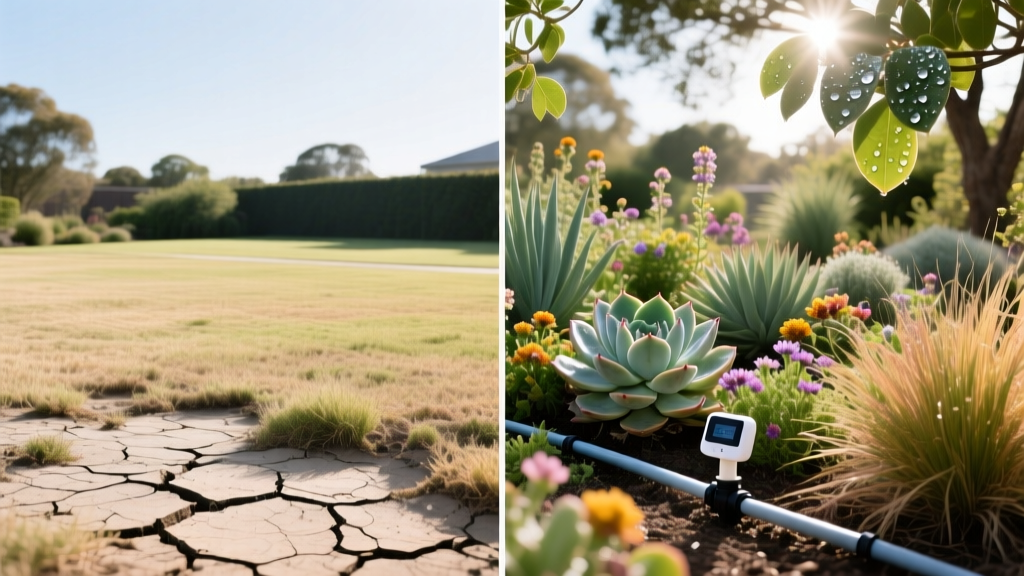
Before And After: Smart Native Garden Transformation
Lisa ThompsonPublished
The Paradigm Shift: Rethinking the American Lawn
For decades, the quintessential suburban dream has been anchored by a sprawling, emerald-green lawn. However, as water scarcity becomes a pressing global issue and homeowners seek more sustainable, low-maintenance lifestyles, the traditional turf grass monoculture is rapidly losing its appeal. Bridging the gap between indoor comfort and outdoor living requires spaces that are not only beautiful but also ecologically responsible and technologically integrated.
In this comprehensive before and after guide, we will walk through the complete transformation of a 1,500-square-foot, water-wasting backyard into a thriving, smart-irrigated native oasis. Whether you are looking to reduce your utility bills, attract local pollinators, or simply reclaim your weekends from endless mowing, this detailed case study provides the exact blueprint, costs, and actionable steps you need to execute your own landscape overhaul.
The 'Before' State: A High-Maintenance Money Pit
The project site began as a typical, struggling Kentucky Bluegrass and Fescue mix lawn in a region prone to summer droughts and strict municipal watering restrictions. The 'before' condition was far from idyllic. The soil was heavily compacted from years of foot traffic and chemical fertilizer use, leading to poor drainage and rampant runoff.
Despite running traditional spray-head sprinklers for 45 minutes every other day, the turf exhibited persistent brown patches, fungal diseases, and heavy weed infestations. The homeowners were spending approximately four hours every weekend mowing, edging, and applying herbicides, all while watching their summer water bills skyrocket. According to the EPA WaterSense program, outdoor water use accounts for nearly 30 percent of total household water consumption, with traditional lawns being the primary culprit. It was time for a radical change.
The Vision: Planning the Smart Native Oasis
The goal was to replace the thirsty turf with a dynamic, multi-seasonal native garden that utilized 'hydrozoning'—the practice of grouping plants with similar water and sunlight requirements together. Furthermore, the new design needed to incorporate modern smart home technology to manage irrigation autonomously, ensuring not a single drop of water was wasted.
The design allocated 200 square feet for a permeable flagstone patio to create an outdoor living room, leaving 1,300 square feet for layered native planting beds. The budget was set at a strict $3,500 for a DIY installation, prioritizing long-term ecological benefits and smart technology over expensive, mature nursery stock.
Phase 1: Turf Removal and Soil Regeneration
The most labor-intensive phase of any landscape transformation is removing the existing lawn. Rather than using harsh chemical herbicides or renting a gas-powered sod cutter—which would strip away the valuable topsoil and disrupt the existing soil microbiome—the homeowners opted for 'sheet mulching'.
The Sheet Mulching Process
- Mowing: The existing grass was mowed as short as possible (under 1 inch) and left on the ground to decompose.
- Cardboard Layer: Overlapping layers of plain, uncoated corrugated cardboard (sourced for free from local appliance stores) were laid directly over the grass, blocking all sunlight.
- Compost and Mulch: A 2-inch layer of organic compost was applied over the cardboard, followed by 3 inches of arborist wood chips (sourced for free via local tree trimming services).
This method effectively smothered the turf over six weeks while simultaneously feeding the soil food web. Earthworms and beneficial fungi broke down the grass and cardboard, transforming the once-compacted dirt into a rich, loamy planting medium.
Phase 2: Hardscaping and Smart Irrigation Installation
With the soil prepping underway, attention turned to hardscaping and the technological backbone of the new garden: the smart irrigation system.
Permeable Hardscaping
A 200-square-foot patio was constructed using locally sourced flagstone. Instead of pouring a concrete slab, the stones were set over a 4-inch base of crushed gravel and coarse sand. This permeable approach allows rainwater to percolate directly back into the local water table, reducing stormwater runoff and easing the burden on municipal drainage systems.
Installing the Smart Drip System
Traditional spray heads lose massive amounts of water to wind drift and evaporation. To combat this, the entire planting area was outfitted with a subsurface drip irrigation system using Netafim inline drip tubing, featuring emitters spaced 12 inches apart with a flow rate of 0.5 gallons per hour (GPH).
The system was connected to a Wi-Fi-enabled smart controller. This device automatically adjusts watering schedules based on real-time local weather data, skipping irrigation cycles during rain, high winds, or freezing temperatures. By integrating weather-based intelligence, the system ensures the garden receives exactly what it needs, precisely when it needs it.
Phase 3: Curating the Native Plant Palette
Selecting the right plants is the difference between a garden that survives and one that thrives. To ensure the selected species were genuinely adapted to the local climate and required minimal supplemental water once established, the homeowners consulted the Water Use Classification of Landscape Species (WUCOLS) database, a premier resource developed by university extension programs for drought-tolerant landscaping.
The Planting Strategy
The garden was designed with three distinct vertical layers to mimic natural ecosystems and provide year-round visual interest:
- The Canopy Layer: Two multi-stemmed Desert Willow trees (Chilopsis linearis) were planted to provide dappled shade and stunning orchid-like summer blooms.
- The Shrub Layer: Autumn Sage (Salvia greggii) and Texas Ranger (Leucophyllum frutescens) were mass-planted along the perimeter to create a dense, evergreen privacy screen that bursts into color after summer rainstorms.
- The Groundcover and Accent Layer: Pink Muhly Grass (Muhlenbergia capillaris) was used for dramatic fall plumes, while Purple Coneflower (Echinacea purpurea) and Black-Eyed Susan (Rudbeckia hirta) were interspersed to provide vital nectar for native bees and butterflies.
Each plant was placed according to its mature spread, preventing overcrowding and reducing the need for future pruning. The drip tubing was carefully woven through the beds, ensuring emitters were positioned directly over the root balls of the new transplants.
The 'After' Reveal: A Thriving, Low-Maintenance Ecosystem
Fast forward two years, and the transformation is nothing short of spectacular. The 'after' state reveals a vibrant, multi-textured landscape that changes with the seasons. The sterile, silent lawn has been replaced by the hum of pollinators and the rustle of ornamental grasses in the breeze.
The smart irrigation system operates entirely in the background. The homeowners monitor their water usage via a smartphone app, receiving monthly reports detailing exactly how many gallons were saved compared to a traditional sprinkler schedule. The permeable patio has become a favorite outdoor dining space, seamlessly extending the home's living area into nature.
Transforming your landscape is not just about aesthetics; it is an investment in local ecology, long-term resource conservation, and the creation of a personalized outdoor sanctuary.
Furthermore, by eliminating chemical fertilizers and incorporating native flora, this yard became eligible for the National Wildlife Federation's Certified Wildlife Habitat program, officially recognizing the space as a vital refuge for local wildlife.
By the Numbers: Before vs. After Transformation
The data clearly illustrates the profound impact of replacing traditional turf with a smart, native landscape. Below is a comparative breakdown of the metrics before and after the renovation.
| Metric | Before (Traditional Turf) | After (Smart Native Garden) |
|---|---|---|
| Annual Water Usage | 67,500 Gallons | 12,500 Gallons |
| Weekly Maintenance | 4 Hours (Mowing, Edging, Weeding) | 45 Minutes (Seasonal Pruning) |
| Annual Upkeep Costs | $1,400 (Water, Fuel, Chemicals) | $250 (Water, Mulch Top-up) |
| Biodiversity Index | Low (Monoculture) | High (Pollinator Haven) |
| Chemical Inputs | Synthetic Fertilizers & Herbicides | Zero (Organic Compost Only) |
Actionable Tips for Your Own Transformation
If you are inspired to tackle your own before and after landscape transformation, keep these critical best practices in mind to ensure success:
- Test Your Soil First: Before planting, conduct a basic soil test to understand your pH and nutrient levels. Native plants generally prefer unamended native soil, but knowing your baseline helps in selecting the right species.
- Establish Deep Roots: Even drought-tolerant native plants require regular, deep watering during their first summer to establish robust root systems. Program your smart controller for frequent, short cycles in year one, then transition to infrequent, deep soakings in year two.
- Leave the Leaves: In the fall, resist the urge to bag and remove fallen leaves from your garden beds. Shred them with a mower and leave them as natural mulch to suppress weeds, retain moisture, and provide overwintering habitat for beneficial insects.
- Embrace Imperfection: A native garden is a living ecosystem. Expect some plants to fail and others to self-seed and wander. This natural dynamism is what makes an ecological garden so rewarding compared to the static nature of a manicured lawn.
By trading the lawnmower for a smartphone and synthetic chemicals for native roots, you can create an outdoor space that is as kind to the planet as it is beautiful to behold.
