Home & Garden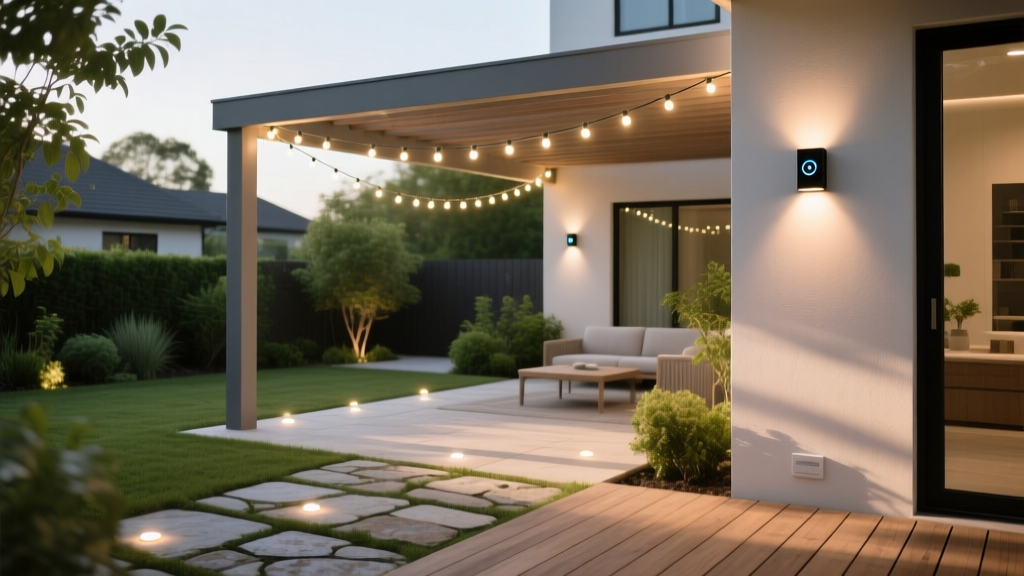
Smart Patio Lighting Guide: Boost Curb Appeal & Entertain
Emily WatsonPublished
The Intersection of Curb Appeal and Outdoor Entertaining
Transforming your outdoor space into a premier entertaining venue requires more than just comfortable seating and a well-manicured lawn. It requires a masterful approach to illumination. Bridging the gap between daytime curb appeal and nighttime functionality, smart patio lighting acts as the ultimate multiplier for your home's value and usability. According to the U.S. Department of Energy, strategic outdoor lighting not only enhances security and safety but also significantly elevates the aesthetic profile of your property. For homeowners looking to host evening gatherings, a well-designed smart lighting ecosystem ensures that your garden-to-table dinners and patio lounging sessions are bathed in the perfect ambiance.
Layering Your Outdoor Lighting Design
Professional landscape lighting designers never rely on a single light source. Instead, they utilize a technique called layering, which involves combining three distinct types of lighting to create depth, focus, and mood. Understanding these layers is critical before you purchase a single fixture.
1. Ambient Lighting
This is your foundational layer. Ambient lighting provides general illumination for safe navigation and sets the overall mood. For outdoor entertaining, this often comes from string lights draped over a pergola, smart wall sconces flanking the patio doors, or post-mounted lanterns at the edge of the deck.
2. Task Lighting
Task lighting is brighter and highly focused, designed for specific activities. If you have an outdoor kitchen, a garden-to-table prep station, or a dining area, you need task lighting. Under-cabinet LED strips or focused smart spotlights ensure you can safely chop vegetables, grill, and read recipes without straining your eyes.
3. Accent Lighting
Accent lighting draws the eye to specific architectural or botanical features, dramatically boosting your nighttime curb appeal. Use smart uplights to graze the texture of a stone chimney, or well lights to highlight the canopy of a mature oak tree. This layer creates the dramatic backdrop for your evening events.
| Lighting Layer | Primary Purpose | Recommended Fixture Types | Ideal Smart Features |
|---|---|---|---|
| Ambient | General visibility and mood setting | String lights, wall sconces, post lanterns | Dimming, color temperature tuning, scheduling |
| Task | Focused light for cooking and dining | Under-cabinet strips, directional spotlights | Motion activation, voice control, high lumen output |
| Accent | Highlighting trees, architecture, paths | Uplights, well lights, hardscape wash lights | Color changing (RGB), scene grouping, geofencing |
Top Smart Lighting Ecosystems for the Outdoors
Choosing the right smart home platform is crucial for seamless integration with your indoor systems. Here is a breakdown of the top contenders for outdoor entertaining spaces.
Philips Hue Outdoor
Philips Hue remains the gold standard for smart lighting. Their outdoor line, including the Calla bollard path lights and Lily spotlights, offers unparalleled color accuracy and ecosystem integration. Operating on a dedicated Zigbee mesh network via the Hue Bridge, these lights won't congest your home Wi-Fi. When planning a large backyard, remember that the Hue Bridge has a reliable range of about 100 feet outdoors, but you can extend this mesh network by plugging in Hue smart plugs or adding more outdoor fixtures along the perimeter. For the outdoor kitchen, consider the Hue Ensis pendant light, which offers independent up and down lighting control, allowing you to keep the prep surface bright while keeping the ambient glow soft.
Ring Smart Lighting
For those heavily invested in the Amazon Alexa ecosystem and prioritizing security alongside entertaining, Ring's smart lighting line is a strong contender. The Ring Pathlight and Spotlight integrate directly with Ring cameras. If a guest walks up the driveway, the path lights can gently illuminate their way, while motion alerts are sent to your phone. However, they rely on Wi-Fi and a proprietary Ring Bridge, which can occasionally struggle with range in large, heavily landscaped yards with thick foliage.
Lutron Caseta
If your outdoor entertaining area features hardwired architectural lighting, Lutron Caseta is the most reliable choice. Using their proprietary Clear Connect RF technology, Lutron switches and dimmers operate independently of Wi-Fi, ensuring zero latency and rock-solid reliability. While they don't offer native RGB color-changing bulbs, their dimming performance for hardwired outdoor LED fixtures is flawless, making them ideal for permanent patio sconces and soffit lighting.
Strategic Placement and Measurements
To maximize curb appeal and guest comfort, precise placement is non-negotiable. Follow these industry-standard measurements for your installation:
- Path Lights: Space bollard or stake lights 8 to 10 feet apart along walkways. Ensure the light source is 18 to 24 inches above the ground to prevent glare while illuminating trip hazards.
- Wall Sconces: Mount patio wall sconces 66 to 72 inches from the ground (roughly eye level) and flanking doors at about 6 inches from the frame.
- Tree Uplighting: Place well lights or spotlights 12 to 24 inches from the base of the tree trunk. Angle them slightly outward to wash the canopy rather than blinding guests with a direct beam.
- Dining Chandeliers: If hanging a smart outdoor pendant over a dining table, the bottom of the fixture should be 30 to 36 inches above the tabletop to maintain sightlines across the table.
Furthermore, consider the beam spread of your accent lights. A narrow 15-degree beam is perfect for highlighting tall, narrow architectural columns or the trunk of a palm tree. Conversely, a wide 60-degree beam wash is ideal for illuminating broad retaining walls or dense hedge rows that define the perimeter of your entertaining space.
Energy Efficiency and Dark Sky Compliance
As you upgrade your outdoor entertaining space, it is vital to balance illumination with environmental responsibility. Light pollution disrupts local wildlife and obscures the night sky. DarkSky International advocates for responsible outdoor lighting practices that minimize glare and light trespass. To achieve a stunning patio atmosphere while remaining eco-friendly, adhere to these principles:
- Color Temperature: Stick to warm white LEDs (2700K to 3000K). Cooler temperatures (4000K and above) scatter more easily in the atmosphere, contributing to skyglow, and create a harsh, clinical environment unsuitable for relaxing evening gatherings.
- Shielding: Always choose fully shielded fixtures that direct light downward. Avoid exposed bulbs that cast light horizontally into your neighbors' windows.
- Smart Scheduling: Utilize the scheduling features of your smart hub. Set your ambient and accent lighting to dim by 50% after 11:00 PM, and program task lights to turn off completely when the entertaining zone is no longer in use. The ENERGY STAR program notes that combining LED technology with smart controls can reduce outdoor lighting energy consumption by up to 75% compared to traditional halogen landscape lighting.
Conclusion
Designing a smart patio lighting system is an investment in both your home's curb appeal and your quality of life. By thoughtfully layering ambient, task, and accent lighting, selecting a reliable smart ecosystem, and adhering to precise placement measurements, you create an outdoor entertaining space that is as functional as it is beautiful. Embrace the power of smart controls to transition seamlessly from a vibrant garden-to-table dinner party to a serene, moonlit evening retreat, all with a single voice command or tap on your smartphone.
