Home & Garden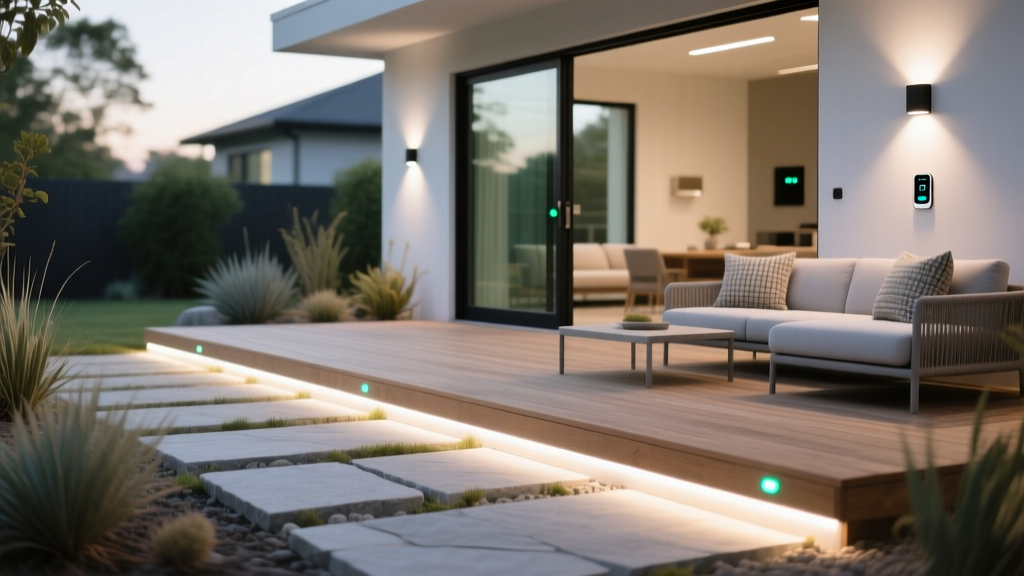
Smart Patio Lighting Design for Entertaining and Curb Appeal
James MillerPublished
Bridging Indoor Comfort and Outdoor Beauty
The modern home seamlessly bridges the gap between indoor comfort and outdoor living. When the sun sets, your patio should not fade into the darkness; instead, it should transform into an inviting hub for outdoor entertaining. Upgrading your exterior illumination is one of the highest-ROI home improvement projects you can undertake. It enhances curb appeal, improves security, and extends your living space well into the evening hours. By integrating smart home technology with energy-efficient landscape lighting, you gain unprecedented control over your outdoor ambiance, allowing you to set the perfect mood for a lively dinner party or a quiet evening by the fire pit.
According to real estate and landscaping industry experts, high-quality outdoor lighting can yield a return on investment of up to 50 percent or more upon resale, while simultaneously reducing the time your home spends on the market.
The Art of Layering Outdoor Light
Professional lighting designers never rely on a single light source. To create a sophisticated patio environment, you must layer your lighting into three distinct categories: ambient, task, and accent.
Ambient Lighting
This is your general illumination. For patios, overhead string lights (often called bistro lights) or recessed deck lights provide a soft, welcoming glow. Aim for a color temperature of 2700 Kelvin (K) to mimic the warm, relaxing feel of traditional incandescent bulbs. This warmth is essential for making guests feel comfortable and relaxed.
Task Lighting
Task lighting is strictly functional. If you have an outdoor kitchen, grill station, or a dedicated reading nook, you need brighter, more focused light. Opt for 3000K LED fixtures that provide clear visibility without causing harsh glare. Under-cabinet LED strips on your outdoor kitchen counters or bright, focused downlights over the grill are perfect for this application.
Accent Lighting
This layer highlights the architectural and botanical features of your yard. Use well lights to uplight mature trees, or directional spotlights to wash textured stone walls with light. This creates depth and drama, significantly boosting your nighttime curb appeal and providing a beautiful backdrop for your entertaining space.
Selecting Your Smart Lighting Ecosystem
The market is flooded with smart outdoor lighting options, but not all systems are created equal. Choosing the right ecosystem depends on your existing smart home setup, your budget, and your desire for color-changing capabilities versus architectural subtlety. Below is a comparison of the top smart landscape lighting systems available today.
| Smart Lighting System | Best For | Hub Required? | Approx. Cost (Starter) |
|---|---|---|---|
| Philips Hue Outdoor | App Control and Color Options | Yes (Hue Bridge) | $250 - $350 |
| Ring Smart Lighting | Security Camera Integration | Yes (Ring Bridge) | $150 - $250 |
| WAC Lighting (Smart Transformer) | Pro-Grade Hardscape and Reliability | No (Wi-Fi Transformer) | $400 - $600 |
When it comes to patio string lights, you have two primary smart options: smart bulbs or smart plugs. If you already own high-quality, commercial-grade bistro lights, simply plug them into a heavy-duty, weatherproof smart plug. This allows you to integrate your existing ambient lighting into your smart scenes without replacing every bulb. However, if you are purchasing new string lights, opt for integrated smart LED strings that offer individual bulb dimming and color temperature adjustments, giving you granular control over the patio mood.
Planning Zones for Entertaining and Security
To maximize both entertainment value and home security, divide your property into distinct lighting zones. This allows your smart system to trigger different scenes based on the time of day or specific activities.
- Zone 1: The Entertaining Core. This includes the patio, dining area, and fire pit. Program this zone to dim to 40 percent brightness when hosting guests, creating an intimate atmosphere that encourages conversation.
- Zone 2: The Perimeter and Pathways. Path lights guide guests safely from the driveway to the patio. Smart path lights can be set to a low 20 percent brightness overnight, but instantly bump to 100 percent if a smart security camera detects motion.
- Zone 3: Architectural Accents. These are the fixtures highlighting your home exterior and mature landscaping. They should turn on at dusk and turn off at 11:00 PM to conserve energy and respect neighborhood light pollution guidelines.
Technical Specs: Wire, Voltage, and Transformers
Most residential landscape lighting operates on a 12-volt low-voltage system, which is safer for DIY installation and requires less stringent burial depths than 120-volt line-voltage systems. However, proper planning is essential to avoid voltage drop, which causes fixtures at the end of the line to flicker or dim.
For wire gauge selection, remember that runs under 50 feet can typically handle 16-gauge or 14-gauge copper wire. For runs exceeding 50 feet, or if you are connecting more than four fixtures on a single line, upgrade to 12-gauge wire to maintain consistent voltage across all fixtures.
The heart of a smart low-voltage system is the Wi-Fi-enabled transformer. Mounted near an exterior GFCI outlet, this device steps down the 120V house current to 12V and connects to your home network. According to the U.S. Department of Energy, pairing LED fixtures with smart controls and transformers maximizes energy efficiency, as LEDs already use up to 90 percent less energy than traditional incandescent lighting while lasting significantly longer.
Automation, Geofencing, and Dark Sky Compliance
The true magic of smart outdoor lighting lies in automation. By utilizing geofencing, your patio lights can automatically turn on when your smartphone crosses a virtual perimeter around your neighborhood, ensuring you never arrive home to a dark house. You can also set schedules that adjust dynamically based on local sunset times, so your lights always turn on at the perfect moment.
Furthermore, responsible outdoor lighting must consider the environment and local wildlife. DarkSky International advocates for shielded fixtures that direct light downward rather than into the night sky. When programming your smart scenes, utilize dimming schedules to reduce brightness after midnight. This minimizes light trespass into your neighbors' windows and reduces disruption to nocturnal ecosystems, all while maintaining essential security illumination.
Step-by-Step Installation Overview
While hiring a certified landscape lighting designer is always an option, installing a 12V smart system is a manageable weekend DIY project. As outlined by the experts at This Old House, the key to a professional-looking installation is hiding the hardware and securing the connections against the elements.
- Map your fixture locations during the day using landscaping flags to ensure proper spacing and coverage.
- Trench the low-voltage wire to a depth of 3 to 6 inches; there is no need for expensive PVC conduit with 12V wire.
- Use waterproof, silicone-filled wire nuts for all underground connections to prevent corrosion and short circuits.
- Mount the smart transformer at least 12 inches above the ground, ensuring it is protected from heavy sprinkler spray and direct hose contact.
- Connect the main line to the transformer, power it on, and pair it with your smart home hub via the manufacturer's dedicated app.
Enhancing Curb Appeal Beyond the Patio
While the patio is the focal point for entertaining, do not neglect the front yard. A cohesive lighting design ties the entire property together. Use matching fixture styles in both the front and back yards to create a unified aesthetic. Uplighting the columns of your front porch or washing the facade of your garage with soft LED light dramatically increases your home's perceived value and creates a welcoming arrival experience for your guests.
Conclusion
Investing in a smart patio and landscape lighting system is an investment in your home's functionality, security, and aesthetic appeal. By carefully layering your light, choosing the right smart ecosystem, and adhering to low-voltage best practices, you can create an outdoor entertaining space that rivals the finest boutique hotels. Embrace the technology, respect the night sky, and enjoy your beautifully illuminated outdoor oasis for years to come.
