Home & Garden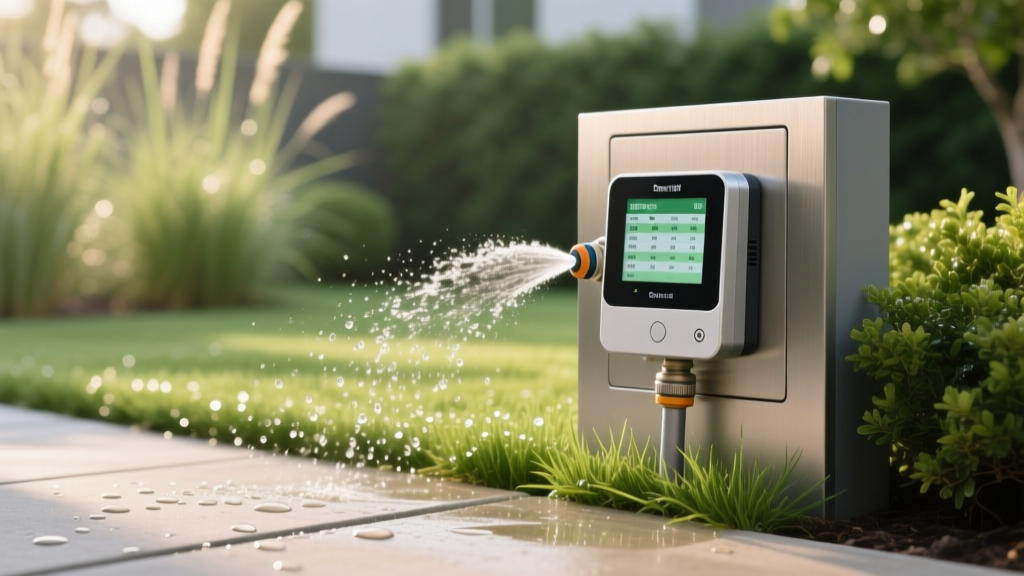
Smart Sprinkler Controllers: The Ultimate Buyer Guide
A smart irrigation controller is a Wi-Fi-enabled device that automates landscape watering by adjusting schedules based on real-time weather data, soil moisture levels, and local evapotranspiration rates. Unlike traditional timers that run on fixed schedules, smart controllers prevent overwatering during rain and increase hydration during droughts. This buyer guide is designed for homeowners and property managers seeking to reduce water bills and maintain healthier turf through automated, climate-responsive irrigation.
Key Takeaways
- Smart controllers adjust watering based on real-time weather and soil data.
- The Environmental Protection Agency estimates they save up to 8,800 gallons of water annually per household.
- Expect to invest between $130 and $250 for a premium 8-zone to 16-zone unit.
How Smart Irrigation Controllers Work
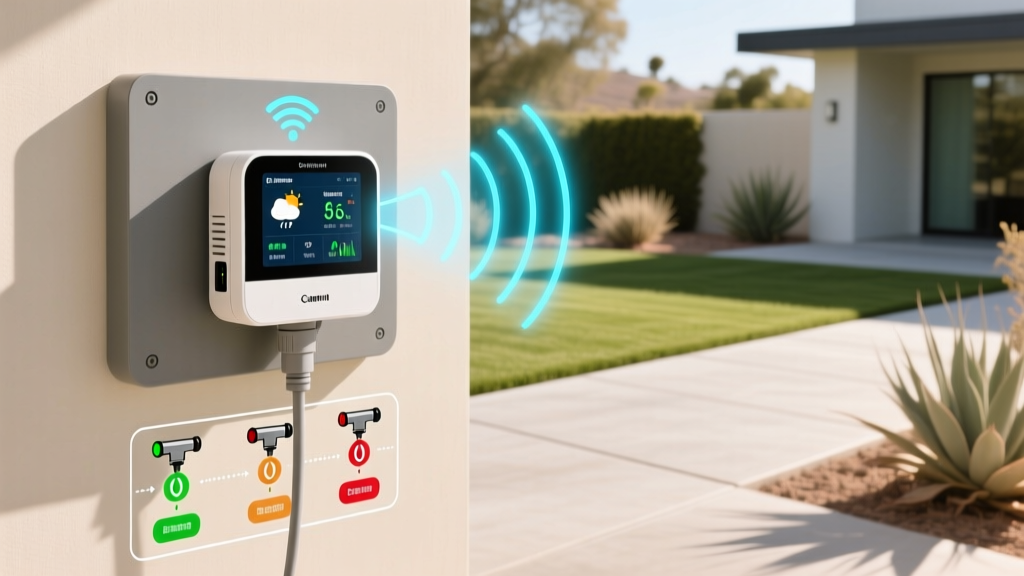
Smart controllers replace manual programming with algorithmic decision-making. They connect to your home network to pull hyper-local meteorological forecasts and historical climate data. Based on this information, the device calculates the exact amount of water your landscape needs and triggers the sprinkler valves accordingly.
There are two primary categories of smart irrigation technology available on the market today:
Weather-Based Irrigation Controller: A smart irrigation device that calculates precise watering schedules by analyzing local meteorological data, including temperature, humidity, solar radiation, and wind speed, to determine the exact evapotranspiration rate required for your specific landscape microclimate.
Soil Moisture Sensor Controller: An automated irrigation system that relies on physical probes buried directly in the root zone of your lawn to measure actual volumetric water content, triggering sprinkler valves only when soil hydration drops below a predefined threshold.
Smart vs. Standard Irrigation Controllers
Standard irrigation controllers operate on rigid, time-based schedules. If you set a standard timer to run for 15 minutes every morning, it will execute that command regardless of whether a rainstorm occurred the night before. This mechanical rigidity leads to massive resource waste.
According to the Environmental Protection Agency, standard timers waste up to 50% of outdoor water due to wind, evaporation, and runoff. Smart controllers eliminate this waste by automatically skipping cycles during rain events or freezing temperatures.
While a standard timer costs around $40, a smart controller requires a higher upfront investment of $130 to $250. However, the return on investment is rapid. Many municipal water districts offer a 15% to 20% utility rebate on the purchase price, and the reduction in your monthly water bill typically pays for the device within two irrigation seasons.
2026 Buyer’s Decision Framework
Selecting the right hardware depends on your property size and existing infrastructure. Use this comparison matrix to identify the tier that matches your landscape requirements.
| Feature | Entry-Level (8 Zones) | Pro-Level (16 Zones) |
|---|---|---|
| Network Connectivity | 2.4 GHz Wi-Fi only | Dual-band Wi-Fi and Bluetooth |
| Sensor Compatibility | Basic rain/freeze sensors | Soil moisture and flow meters |
| Weather Data Source | National weather stations | Hyper-local personal weather stations |
| Average Cost | $130 to $160 | $200 to $250 |
Manufacturers like Hunter Industries and Rachio now integrate Bluetooth fallbacks in their Pro-Level models. This ensures you can still configure the device locally via your smartphone even if your home router experiences an outage.
Frequently Asked Questions
Are smart irrigation controllers worth the investment?
Yes. For the average quarter-acre lawn, upgrading to a smart controller saves approximately 8,800 gallons of water per year. When factoring in local utility rebates and reduced water bills, the device typically achieves a full return on investment within 12 to 18 months.
Do smart sprinkler controllers require an active internet connection?
Smart controllers require a 2.4 GHz Wi-Fi connection to download daily weather updates and evapotranspiration data. However, they store their last calculated schedule in local memory. If your internet connection drops, the controller will continue to water your lawn based on the most recent data until the connection is restored.
Can I install a smart irrigation controller myself?
Most modern smart controllers are designed for DIY installation. If you are replacing an existing standard timer, the process involves photographing your current wiring, disconnecting the old unit, and matching the colored wires to the new terminals. The physical installation typically takes 30 minutes.
Next Steps for Your Irrigation Upgrade
A smart irrigation controller serves as the central brain of a modern, water-efficient landscape, translating complex weather data into precise hydration schedules. By replacing outdated timers, you protect your turf from root rot while conserving vital municipal water resources.
To move forward, conduct a physical audit of your current sprinkler zones. Count your active valves in the yard and locate your existing controller wiring to determine whether you need an 8-zone or 16-zone model before making your purchase.
