Lawn Care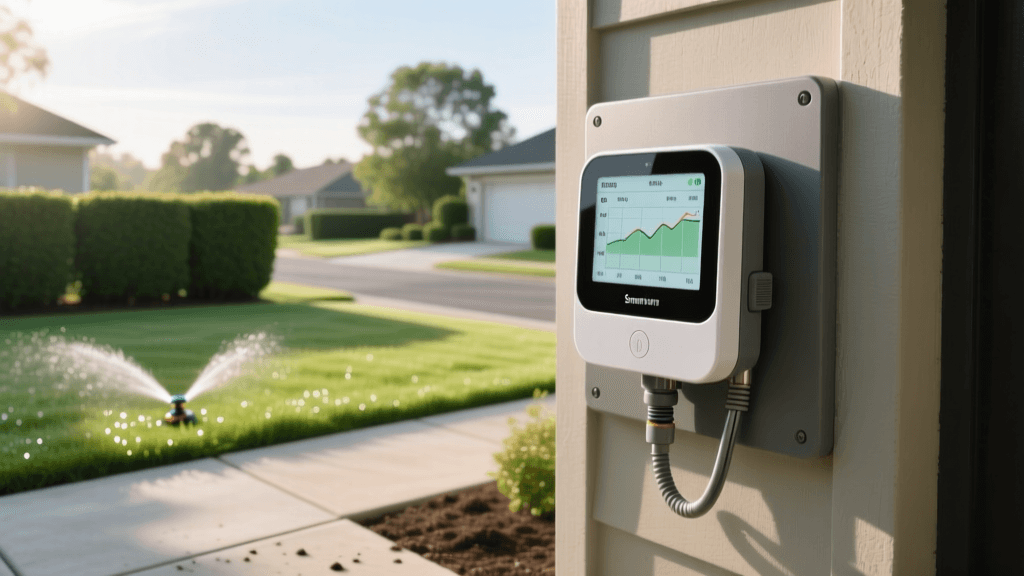
Smart Sprinkler Controllers: Automate Lawn Irrigation
The Rise of the Connected Lawn
The modern smart home extends far beyond indoor lighting and thermostats; it has officially reached the backyard. For homeowners looking to achieve a pristine, golf-course-quality lawn without wasting precious resources, smart sprinkler controllers represent the ultimate intersection of landscaping and automation. Traditional timer-based irrigation systems operate on rigid schedules, blindly watering your grass whether it is blazing hot or pouring rain. In contrast, smart irrigation systems leverage real-time weather data, soil science, and Wi-Fi connectivity to deliver the exact amount of moisture your lawn needs, exactly when it needs it.
According to the EPA WaterSense program, outdoor water use accounts for nearly 30% of total household water consumption, and up to 50% of that water is wasted due to evaporation, wind, or overwatering. By upgrading to an automated, weather-based smart controller, homeowners can drastically reduce their water footprint while promoting deeper, healthier turfgrass root systems.
How Weather-Based ET Algorithms Work
The secret behind smart irrigation is Evapotranspiration (ET). ET is the sum of evaporation from the soil and transpiration from the plant leaves. Smart controllers like the Rachio 3 or Hunter Hydrawise connect to your home's 2.4 GHz Wi-Fi network and pull hyper-local weather data from thousands of meteorological stations. They calculate the daily ET rate for your specific microclimate, adjusting your watering schedule dynamically.
If a rainstorm is forecasted, the system automatically delays the next scheduled cycle. If a heatwave pushes the ET rate higher, the controller adds supplemental watering time to prevent drought stress. This level of automation ensures your cool-season fescue or warm-season Bermuda grass receives the ideal 1 to 1.5 inches of water per week without any manual intervention.
Top Smart Irrigation Controllers Compared
Choosing the right hardware depends on your budget, existing sprinkler infrastructure, and preferred smart home ecosystem. Below is a comparison of the industry's leading smart irrigation controllers.
| Controller Model | Average Cost | Weather Intelligence | Smart Home Integration | Best Use Case |
|---|---|---|---|---|
| Rachio 3 (8-Zone) | $229 | Weather Intelligence Plus (Freeze, Wind, Rain) | Alexa, Google, Apple HomeKit, IFTTT | Tech enthusiasts wanting deep customization |
| Orbit B-hyve XR | $179 | Weather Sense (Local station data) | Alexa, Google Assistant | Budget-conscious DIYers with complex yards |
| Hunter Hydrawise Pro-HC | $285 | Predictive ET algorithms | Alexa, Google (via IFTTT) | Large properties and professional landscapers |
| Netro Sprite | $139 | AI-driven plant database matching | Alexa, Google | Beginners wanting automated plant care |
Integrating Soil Moisture Sensors
While weather-based ET data is incredibly accurate, pairing your smart controller with wireless soil moisture sensors takes automation to the next level. Devices like the Hunter Soil-Clik or Rachio's wireless soil sensor are buried 2 to 4 inches deep in the root zone of your lawn. These probes measure the actual volumetric water content (VWC) of the soil.
If the soil is already at optimal moisture capacity, the sensor overrides the controller's scheduled run time, preventing waterlogging and fungal diseases like brown patch or dollar spot. This is particularly crucial for lawns with heavy clay soils, which retain water longer and are highly susceptible to compaction and root rot if overwatered.
Step-by-Step Installation and Configuration
Installing a smart sprinkler controller is a straightforward DIY project that typically takes under 45 minutes. Follow these steps for a safe and successful upgrade:
- Power Down: Turn off the dedicated breaker for your irrigation system at the main electrical panel to prevent shock.
- Label Wires: Remove the faceplate of your old controller. Use the included stickers to label every zone wire (1 through 8) and the common (C) wire before disconnecting them.
- Mount the New Hub: Use the provided template to drill pilot holes and mount the new smart controller backing plate.
- Reconnect Wiring: Insert the labeled wires into the corresponding push-lever terminals on the new smart hub. Ensure the common wire is securely seated.
- Connect to Wi-Fi: Power the breaker back on. Download the manufacturer's app, create an account, and connect the device to your 2.4 GHz Wi-Fi network. (Note: Most IoT devices do not support 5 GHz networks).
Programming for Cool and Warm-Season Grasses
Automation does not mean you can ignore lawn science. You must configure the app with accurate zone data. Input your specific grass type, soil type, and sprinkler head precipitation rate. For example, rotary nozzles apply water at roughly 0.4 inches per hour, while traditional spray heads apply up to 1.5 inches per hour.
For lawns with clay soil or sloped terrain, utilize the Cycle and Soak method. As recommended by the Texas A&M Agrilife Extension, breaking up watering into shorter intervals prevents runoff. Program your smart controller to run three 10-minute cycles per zone, spaced 30 minutes apart. This allows the water to penetrate deeply into the soil profile, encouraging roots to grow 6 inches or deeper, which vastly improves drought tolerance during the peak of summer.
Smart Home Ecosystem Integration
The true beauty of smart irrigation lies in its integration with your broader home automation routines. Using platforms like Apple HomeKit, Amazon Alexa, or IFTTT (If This Then That), you can create powerful automated triggers:
- Wind Skip Automation: If your local weather station reports wind speeds exceeding 15 mph, trigger an IFTTT applet to pause the sprinklers, preventing water from blowing onto the driveway and sidewalks.
- Voice Control: Use Alexa or Google Assistant to say, 'Pause the backyard sprinklers for 20 minutes,' right before you let the dog outside.
- Seasonal Adjustments: Set up geofencing or calendar-based routines that automatically reduce watering durations by 30% when the autumn equinox approaches, aligning with the natural dormancy cycle of your turf.
Calculating ROI and Water Savings
The upfront cost of a smart controller ranges from $140 to $300, but the return on investment is rapid. The EPA estimates that a home with an automated, weather-based smart controller can save up to 15,000 gallons of water annually. Depending on your local municipal water and sewer rates, this translates to an average savings of $100 to $250 per year on utility bills. In many cases, the system pays for itself within the first 12 to 18 months of operation.
Furthermore, many local water districts and municipalities offer rebates for installing WaterSense-labeled smart controllers. Homeowners can often recoup 50% to 100% of the hardware cost immediately by submitting their purchase receipt to their local water authority.
Conclusion
Embracing smart home automation for your lawn care routine is one of the most impactful upgrades you can make to your property. By replacing outdated timers with intelligent, ET-driven controllers and soil sensors, you eliminate the guesswork from irrigation. You will not only save hundreds of dollars on water bills and prevent environmental waste, but you will also cultivate a thicker, greener, and more resilient lawn capable of withstanding the extremes of any season.