Home & Garden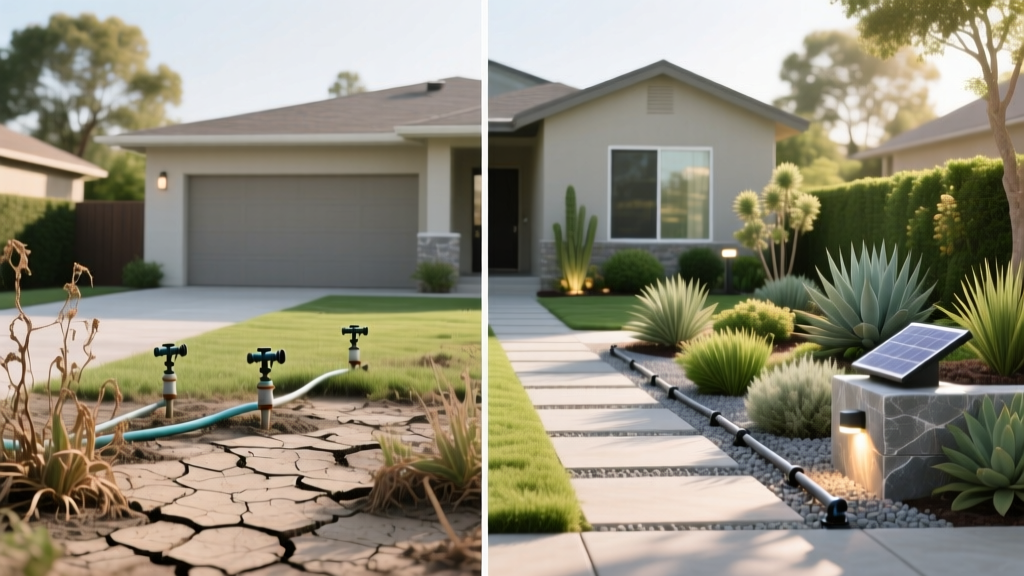
Smart Xeriscape Transformation: A Before And After Guide
James MillerPublished
The 'Before' State: A Thirsty, High-Maintenance Lawn
For years, the front yard of our featured project home was a classic suburban staple: 1,200 square feet of Kentucky Bluegrass. While it provided a uniform green carpet, it came with a heavy environmental and financial toll. During the peak summer months, the homeowners were spending nearly $145 a month on water bills just to keep the turf from turning brown. Furthermore, the lawn required weekly mowing, seasonal aeration, annual overseeding, and frequent applications of synthetic fertilizers. The soil beneath the turf had become heavily compacted, leading to poor drainage and massive runoff during heavy rainstorms. It was clear that a radical transformation was necessary to bridge the gap between sustainable outdoor living and modern home aesthetics.
The Vision: Smart Irrigation Meets Drought-Tolerant Design
The goal was to completely eliminate the thirsty turf and replace it with a vibrant, low-water xeriscape integrated with smart home technology. According to the EPA WaterSense program, outdoor water use accounts for 30 to 60 percent of total household water use, depending on the region. By transitioning to a drought-tolerant landscape and installing a Wi-Fi-enabled smart irrigation system, the homeowners aimed to reduce their outdoor water consumption by at least 70 percent while drastically improving curb appeal.
'Outdoor water use accounts for 30 to 60 percent of total household water use, depending on the region. A smart irrigation controller can save the average home nearly 7,600 gallons of water annually.'
Step 1: Eradicating the Turf via Sheet Mulching
Instead of using chemical herbicides or renting a gas-powered sod cutter, the team opted for an eco-friendly sheet mulching approach. This method suppresses the grass while simultaneously building the soil microbiome. The process involved mowing the existing grass as short as possible, watering it deeply, and then covering the entire 1,200-square-foot area with overlapping layers of plain, uncoated corrugated cardboard. On top of the cardboard, a 2-inch layer of organic compost was applied, followed by 3 inches of coarse arborist wood chips. The area was left to decompose for eight weeks. This not only killed the grass naturally but also attracted earthworms and beneficial microbes, turning the compacted clay soil into a rich, workable loam.
Step 2: Upgrading to Smart Irrigation and Drip Lines
The existing underground PVC pipes were retained, but the outdated spray heads were completely removed. Xeriscaping does not mean zero water; it means efficient water application. The team installed a Rachio 3 Smart Sprinkler Controller, which connects to the home's Wi-Fi network and uses local weather forecasts, evapotranspiration (ET) rates, and soil type data to automatically adjust watering schedules.
Below ground, the spray zones were capped and converted to drip irrigation. Using 1/2-inch poly tubing for the main lines and 1/4-inch tubing with 2-GPH (gallons per hour) pressure-compensating emitters, water was directed precisely to the root zones of the new plants. This eliminates wind drift, evaporation, and sidewalk runoff, ensuring that 95 percent of the water applied is actually used by the plants.
Step 3: Hydrozoning and Plant Selection
A critical principle of xeriscaping is 'hydrozoning'—grouping plants with similar water and sunlight requirements together. To ensure the selected flora would thrive with minimal supplemental watering, the design team relied heavily on the University of California WUCOLS database, a premier resource for evaluating the irrigation water needs of landscape species.
- Zone 1 (High Traffic/Accent): 'Tangerine Beauty' Crossvine and Dwarf Pomegranate were planted near the entryway for vibrant color and structural interest. These receive a slightly higher drip allocation.
- Zone 2 (Moderate Sun): Russian Sage, Agastache (Hummingbird Mint), and Yarrow were mass-planted in the central beds. These perennials provide pollinator habitat and require watering only once every two weeks once established.
- Zone 3 (Dry/Reflective Heat): Along the south-facing driveway, where heat radiates off the asphalt, the team planted Agave parryi, Red Yucca, and creeping Sedum. These succulents thrive on neglect and require almost zero supplemental summer water.
To finish the beds, the wood chips were raked back, the plants were installed, and the beds were top-dressed with 3 inches of decomposed granite and river rock, which retain moisture and suppress weeds without breaking down as quickly as organic mulch.
The 'After' Reveal: Data, Costs, and ROI
Twelve months after the transformation, the yard is a thriving, textural masterpiece that shifts in color with the seasons. The maintenance has dropped from four hours a week to roughly two hours a month (mostly pulling the occasional weed and trimming back perennials in early spring). Below is a comprehensive comparison of the yard's performance before and after the renovation.
| Feature | Before (Turf Lawn) | After (Smart Xeriscape) |
|---|---|---|
| Summer Water Bill | $145 / month | $32 / month |
| Weekly Maintenance | 4 hours (mowing, edging) | 0 hours |
| Annual Fertilizer/Chemicals | $180 / year | $0 / year |
| Irrigation Efficiency | ~50% (spray drift/evaporation) | ~95% (subsurface drip) |
| Pollinator Habitat | None | High (Bees, Hummingbirds) |
Cost Breakdown and Financial Return
The homeowners tackled this project as a hybrid DIY and professional endeavor. They handled the sheet mulching, plant installation, and rock spreading themselves, but hired a licensed irrigation specialist to pressure-test the lines and install the drip manifolds.
- Smart Controller (Rachio 3, 8-Zone): $279
- Drip Irrigation Materials (Tubing, emitters, fittings): $340
- Plants (45 perennials, 5 succulents, 2 vines): $850
- Hardscape (Decomposed granite, river rock, flagstone steppers): $620
- Professional Irrigation Labor (6 hours): $540
- Total Project Cost: $2,629
While the upfront cost of $2,629 might seem steep compared to a $50 bag of grass seed, the financial incentives and long-term savings tell a different story. The local water district offered a 'Cash for Grass' rebate of $1.50 per square foot of removed turf, resulting in a $1,800 rebate check. Additionally, the EPA notes that smart controllers and drip systems often qualify for local utility rebates, which covered the cost of the Rachio controller. Factoring in the rebates, the net out-of-pocket cost was just $550. With annual water and chemical savings exceeding $1,100, the project achieved a positive return on investment in less than six months.
Long-Term Sustainability and Maintenance
According to research published by the Colorado State University Extension, a properly designed xeriscape can reduce landscape water use by 60 percent or more, but it requires a shift in how homeowners view yard maintenance. The 'after' phase of this transformation is not entirely zero-maintenance. Weeds can still blow in and settle in the decomposed granite, and the drip emitters must be checked annually for clogs or damage from burrowing rodents.
However, the nature of the work has fundamentally changed. Instead of the noisy, gas-powered chore of weekly mowing, maintenance now consists of quiet, mindful gardening. The homeowners spend their weekends pruning the Russian Sage, watching the hummingbirds visit the Agastache, and adjusting their smart irrigation app to account for seasonal shifts. By embracing smart technology and native botany, this front yard has been transformed from a resource-draining liability into an ecological asset, proving that sustainable landscaping and stunning curb appeal can beautifully coexist.
