Home & Garden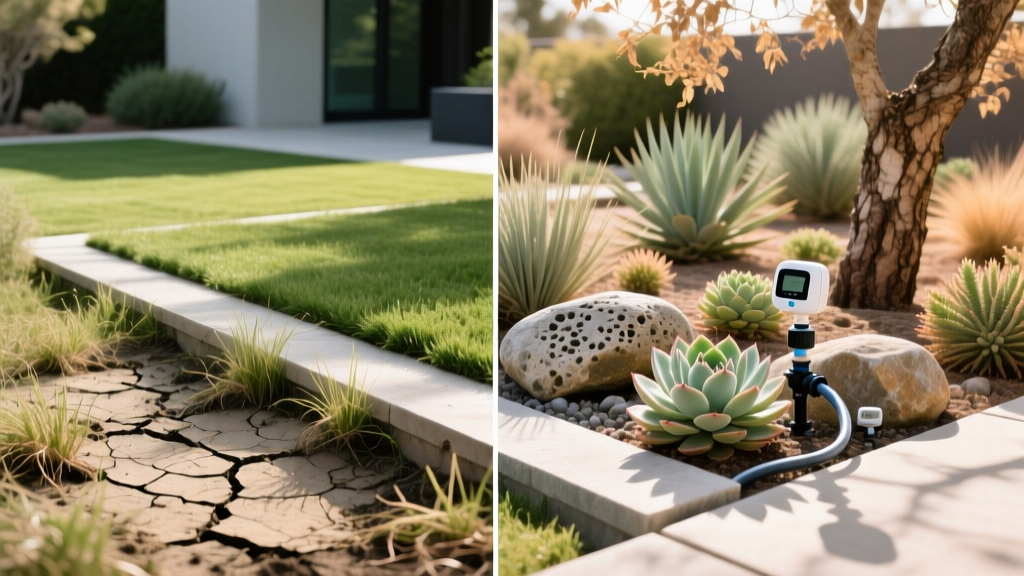
Before and After: Smart Xeriscape Lawn Transformation
Mike RodriguezPublished
Introduction to the Modern Landscape
Traditional turf lawns are rapidly becoming a relic of the past, especially in regions prone to seasonal droughts and water restrictions. For decades, the American dream was synonymous with a flawless, carpet-like expanse of Kentucky Bluegrass or Bermuda grass. However, the environmental and financial costs of maintaining these monocultures are no longer sustainable. Between the excessive water consumption, the chemical fertilizers, and the weekend hours lost to mowing, homeowners are actively seeking alternatives that bridge the gap between stunning outdoor aesthetics and eco-friendly living.
In this comprehensive before-and-after case study, we document the complete transformation of a 1,200-square-foot, water-wasting front yard into a thriving, smart-irrigated xeriscape oasis. By integrating permeable hardscaping, native drought-tolerant plants, and smart home irrigation technology, we not only drastically reduced the property's water footprint but also elevated its curb appeal. Whether you are looking to lower your utility bills, support local pollinators, or simply reclaim your weekends, this step-by-step guide will provide the actionable insights, material costs, and design principles you need to execute your own landscape transformation.
The 'Before' State: A Thirsty, High-Maintenance Turf
The subject of our transformation is a 1,200-square-foot front lawn located in a climate zone characterized by hot, dry summers and mild winters. The existing landscape consisted entirely of aging tall fescue turf that struggled to survive the July heat. Despite running the traditional pop-up spray sprinklers three times a week for 20 minutes per zone, the lawn was plagued by brown patches, fungal diseases, and aggressive crabgrass infestations.
The financial toll was just as glaring as the visual one. During peak summer months, the outdoor water usage accounted for nearly 60% of the homeowner's total utility bill, pushing the monthly water cost to an average of $145. Furthermore, the maintenance required weekly mowing, edging, seasonal aeration, and the application of synthetic herbicides. The 'before' state was a textbook example of a landscape fighting against its natural environment, resulting in wasted resources and a generic, uninspired exterior.
Step 1: Eco-Friendly Turf Removal via Sheet Mulching
Removing grass doesn't require heavy, gas-guzzling sod cutters or harsh chemical herbicides. We opted for sheet mulching, also known as lasagna composting, which is an organic, soil-building method of turf removal. This process smothers the existing grass while simultaneously enriching the underlying soil biology.
First, we mowed the existing turf as low as the mower deck would allow and watered it deeply to activate the soil microbes. Next, we covered the entire 1,200-square-foot area with overlapping layers of plain, uncoated corrugated cardboard. It is crucial to overlap the edges by at least six inches to prevent opportunistic weeds from finding a gap to push through. After thoroughly soaking the cardboard with a garden hose, we applied a two-inch layer of organic compost, followed by three inches of premium shredded hardwood mulch. The total cost for this phase was approximately $380, primarily for the bulk delivery of compost and mulch, as the cardboard was sourced for free from local appliance stores.
Step 2: Upgrading to Smart Irrigation and Drip Lines
According to the Environmental Protection Agency (EPA), the average American family uses more than 300 gallons of water per day, with roughly 30% of that devoted to outdoor uses. Inefficient irrigation systems are a primary culprit of this waste. To modernize the landscape, we completely overhauled the irrigation infrastructure, moving away from broadcast spray heads that lose water to wind and evaporation.
We installed a Rachio 3 Smart Sprinkler Controller, which connects to local Wi-Fi and utilizes hyper-local weather intelligence to adjust watering schedules based on real-time evapotranspiration rates, rainfall, and soil moisture levels. The EPA notes that WaterSense certified smart irrigation controllers can save the average home nearly 7,600 gallons of water annually. Beneath the mulch, we replaced the spray heads with Netafim Techline CV drip tubing featuring built-in 0.9 gallons-per-hour (GPH) emitters spaced 12 inches apart. This delivers water directly to the root zones of the new plants, eliminating runoff and reducing water usage by up to 70% compared to traditional spray heads.
Step 3: Hardscaping with Permeable Materials
To break up the visual monotony of the garden beds and provide functional access to the front porch, we designed a meandering pathway using decomposed granite (DG) and large-format natural stone stepping stones. Permeable hardscaping is a cornerstone of energy-efficient and water-wise landscaping, as it allows rainwater to percolate back into the water table rather than overwhelming municipal storm drains.
We excavated the pathway to a depth of four inches, laid down a heavy-duty geotextile weed barrier, and installed a two-inch base of crushed gravel for drainage. The top layer consisted of three inches of compacted DG stabilized with a natural binder. The total cost for the hardscape materials was $520. The contrasting textures of the rough stone and the fine, golden DG immediately added architectural interest and a modern, desert-chic aesthetic to the front yard.
Step 4: Selecting Native and Drought-Tolerant Plants
The foundation of any successful xeriscape is its plant palette. The National Wildlife Federation emphasizes that native plants are essential for sustainable gardens because they have evolved to thrive in local conditions without the need for supplemental fertilizers or excessive watering. Furthermore, they provide critical habitat and forage for native pollinators.
We utilized the concept of 'hydrozoning' to group plants with similar water and sunlight requirements together. The new planting scheme included:
- Agastache 'Blue Fortune' (Anise Hyssop): Planted in full sun, this perennial offers striking blue flower spikes from mid-summer to early fall, acting as a magnet for bees and hummingbirds.
- Achillea millefolium (Common Yarrow): Used as a low-water groundcover alternative, its fern-like foliage and flat-topped flower clusters add delicate texture and require virtually no maintenance once established.
- Agave parryi (Parry's Agave): Positioned near the hardscape as structural focal points, these succulents provide dramatic, architectural rosettes that thrive on neglect and zero supplemental summer water.
- Salvia greggii (Autumn Sage): Planted along the foundation, this woody shrub provides vibrant red blooms and is highly resistant to deer and drought.
A garden is not just a visual space; it is a living ecosystem that should work in harmony with its local climate rather than fighting against it.
The 'After' State: Results, ROI, and Maintenance
Six months after the initial installation, the transformation was nothing short of spectacular. The yard transitioned from a patchy, generic plot of grass into a vibrant, textured, and ecologically active landscape. The smart controller seamlessly managed the establishment watering schedule, automatically scaling back the irrigation duration as the native plants developed deep, resilient root systems.
| Metric | Before (Turf Lawn) | After (Smart Xeriscape) |
|---|---|---|
| Monthly Summer Water Bill | $145.00 | $32.00 |
| Weekly Maintenance Time | 3.5 Hours | 0.5 Hours |
| Annual Fertilizer/Chemical Cost | $120.00 | $0.00 |
| Pollinator Activity | None | High (Bees, Butterflies) |
| Curb Appeal & Aesthetics | Patchy, Generic | Modern, Textured, Vibrant |
The return on investment (ROI) for this project is multi-faceted. Financially, the total DIY cost of $1,450 (including the smart controller, drip materials, mulch, hardscape, and plants) will be entirely recouped through water and chemical savings in just under two years. Environmentally, the landscape now supports local biodiversity and conserves thousands of gallons of potable water annually.
Final Thoughts on Your Own Transformation
Transitioning from a traditional lawn to a smart xeriscape is one of the most impactful home and garden projects a homeowner can undertake. It bridges the gap between indoor smart home technology and outdoor environmental stewardship. By carefully planning your hydrozones, investing in smart irrigation, and embracing the rugged beauty of native flora, you can create an outdoor living space that is as resilient as it is beautiful. The 'before and after' speaks for itself: less work, lower bills, and a profoundly more engaging landscape.
