Home & Garden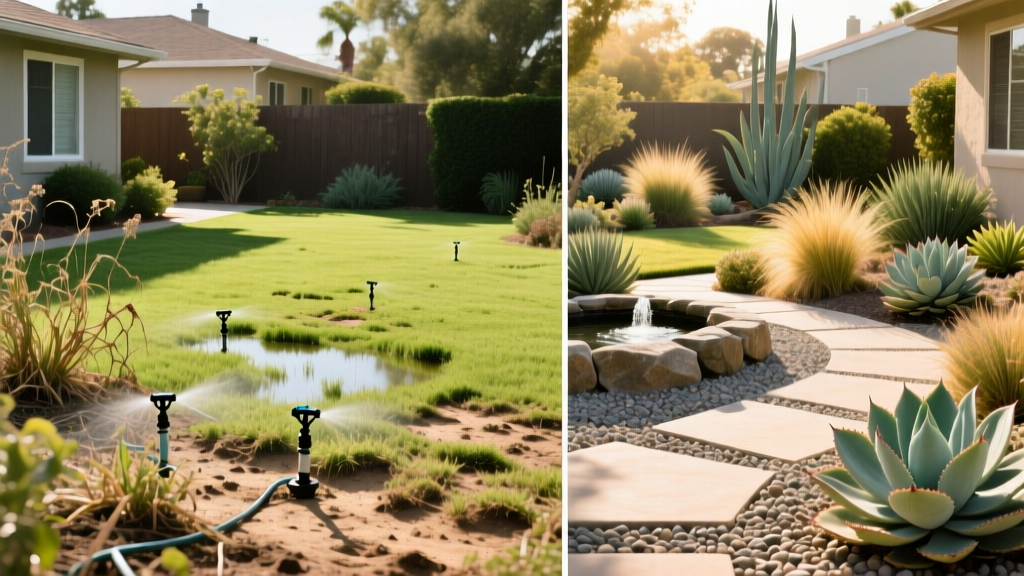
Before & After: Smart Xeriscape Front Yard Makeover
James MillerPublished
Transforming a Thirsty Lawn into a Smart Outdoor Oasis
Transforming a conventional, water-wasting front yard into a sustainable, smart xeriscape oasis is one of the most rewarding home and garden projects you can undertake. Not only does it bridge the gap between ecological responsibility and modern curb appeal, but it also integrates smart home technology to automate maintenance. In this before and after case study, we walk through a complete 1,200-square-foot front yard makeover. We will cover the demolition of a thirsty Kentucky Bluegrass lawn, the installation of permeable hardscaping, the selection of drought-tolerant native plants, and the integration of a smart irrigation controller and LED lighting system.
The 'Before' State: A High-Maintenance Water Waster
Before the transformation, this 1,200-square-foot front yard was a classic example of outdated landscaping. It featured a monoculture of Kentucky Bluegrass that required frequent mowing, chemical fertilizers, and heavy watering to maintain a superficial green appearance during the summer months. The irrigation system relied on a mechanical, dial-based timer from the late 1990s that ran on a rigid schedule, completely ignoring local weather conditions and seasonal rainfall. As a result, water frequently pooled on the adjacent sidewalk, and the homeowner's summer water bills regularly spiked. The soil was heavily compacted clay, leading to poor drainage and shallow grass roots that struggled in peak heat.
According to the EPA WaterSense program, the average American family uses 320 gallons of water per day, with nearly 30 percent dedicated to outdoor uses. More than half of that outdoor water is wasted due to evaporation, wind, and inefficient irrigation systems.
Project Blueprint and Essential Tool List
To achieve this dramatic before and after transformation, careful planning and the right equipment were essential. Here is the master list of tools and materials used for the DIY installation:
- Motorized sod cutter (rented for 4 hours)
- Heavy-duty landscaping fabric and staple pins
- Permeable paver base (Class II road base)
- Smart irrigation controller (Wi-Fi enabled)
- Drip irrigation tubing (1/2-inch mainline, 1/4-inch emitters)
- Native xeriscape plants (1-gallon and 5-gallon sizes)
- Decomposed granite (DG) and steel landscape edging
- Low-voltage smart LED landscape lighting kit
Phase 1: Lawn Removal and Soil Amendment
The first step in any major landscape transformation is removing the existing turf. While sheet mulching (using cardboard and wood chips) is an excellent, eco-friendly method, it takes several months to break down. For a faster before and after turnaround, we rented a motorized sod cutter. Setting the blade depth to 2.5 inches, we sliced the turf into manageable rolls. These were removed and composted at a local green waste facility, exposing the compacted clay soil beneath. To prepare the soil for xeriscape plants, we tilled the top 6 inches and amended it with a 50/50 mix of native soil and coarse compost. This improved drainage and aeration, which is critical for drought-tolerant plants that are prone to root rot in soggy, heavy clay.
Phase 2: Hardscaping with Permeable Pavers
To break up the visual monotony of the yard and reduce the total irrigable area, we designed a curving dry creek bed and a small permeable paver seating area. We excavated the pathway area to a depth of 8 inches, laying down a geotextile fabric to prevent weed growth while allowing water to percolate. A 4-inch base of compacted Class II road base was added, followed by a 1-inch layer of bedding sand. We installed permeable concrete pavers, leaving half-inch gaps filled with coarse sand rather than traditional polymeric sand. This ensures that rainwater permeates directly into the groundwater table rather than contributing to stormwater runoff. The dry creek bed was lined with river rock and accented with larger boulders to mimic natural water flow.
Phase 3: Curating the Xeriscape Plant Palette
The core of any successful xeriscape is the plant palette. We transitioned from a high-water lawn to a diverse, multi-layered garden utilizing hydrozoning, which means grouping plants with similar water needs together.
Focal Points and Canopy
We planted two Desert Willow trees in the 5-gallon size to provide dappled shade and stunning summer blooms without the massive water requirements of traditional shade trees.
Mid-Layer Shrubs
Dwarf Coyote Brush and Blue Mist Spirea were planted in 1-gallon pots, spaced 3 feet apart to allow for mature spread. These shrubs provide excellent year-round structure and attract local pollinators.
Groundcover and Accents
Instead of grass, we used Silver Carpet between the pavers and mass-planted Blue Fescue ornamental grasses along the dry creek bed. All planting holes were dug twice as wide as the root ball but no deeper, ensuring the root crown remained slightly above grade to prevent water pooling. A 3-inch layer of shredded cedar mulch was applied over all planted beds to retain soil moisture and suppress weeds.
Phase 4: Smart Home Irrigation Integration
The most significant technological upgrade in this transformation was replacing the archaic mechanical timer with an EPA WaterSense labeled smart irrigation controller. According to the EPA Smart Irrigation Controller guidelines, these devices use local weather data and soil moisture sensors to automatically adjust watering schedules, eliminating the guesswork and preventing overwatering. We wired the new smart controller to the home's Wi-Fi network and configured it via a smartphone app. Instead of traditional spray heads, we installed a pressure-compensating drip irrigation system. Drip lines deliver water directly to the root zone of each plant at a slow, steady rate of 1 gallon per hour, virtually eliminating evaporation and wind drift. The smart controller now automatically skips watering cycles when rain is in the local forecast, drastically reducing water waste.
Phase 5: Energy-Efficient Outdoor Lighting
To extend the usability of the new outdoor seating area into the evening, we integrated a low-voltage smart lighting system. Using ENERGY STAR certified lighting principles, we selected LED fixtures that consume up to 80 percent less energy than traditional halogen landscape lights. We buried a 12-gauge wire trench around the perimeter of the new patio and dry creek bed, connecting it to a smart transformer mounted near the exterior electrical outlet. The transformer connects to the same smart home ecosystem as the irrigation controller, allowing the homeowner to set automated dusk-to-dawn schedules, adjust color temperatures, and control the lights via voice commands.
The 'After' State: ROI and Data Breakdown
The true measure of this before and after transformation is found in the data. By replacing a thirsty turf lawn with a smart xeriscape, the environmental and financial benefits are immediate and compounding. Below is a comparison of the yard's performance metrics before and after the renovation.
| Metric | Before (Turf Lawn) | After (Smart Xeriscape) |
|---|---|---|
| Summer Water Usage (Monthly) | 12,500 Gallons | 4,200 Gallons |
| Weekly Maintenance Time | 4.5 Hours (Mowing, Edging, Weeding) | 1 Hour (Pruning, Mulch Refresh) |
| Annual Fertilizer and Chemical Cost | $350 | $0 (Native plants require no synthetic fertilizers) |
| Irrigation Efficiency | 45% (High evaporation and runoff) | 95% (Targeted drip delivery) |
Conclusion: A Sustainable Sanctuary
This before and after transformation proves that sustainable landscaping does not mean sacrificing beauty or functionality. By combining thoughtful hardscaping, native plant selection, and modern smart home technology, you can create an outdoor space that is both a sanctuary for relaxation and a model of environmental stewardship. Whether you are tackling a small side yard or a sprawling front estate, the principles of xeriscaping and smart irrigation offer a clear path to a greener, more efficient home. The initial investment in soil preparation, permeable hardscapes, and smart controllers pays for itself within just a few seasons through dramatically reduced utility bills and reclaimed weekend time.
