Home & Garden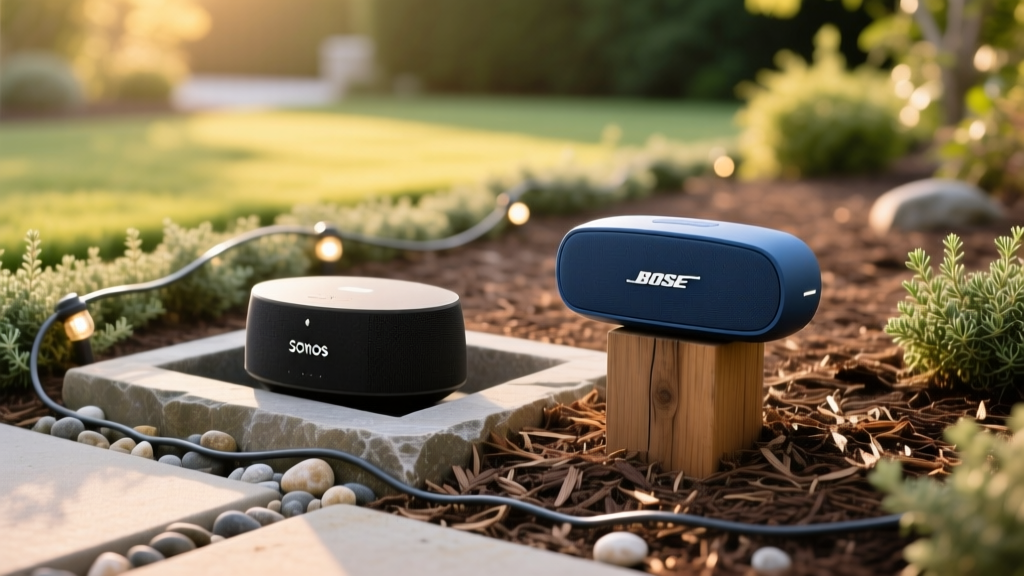
Sonos Move vs Bose SoundLink Flex: 2026 Mulched Garden Setup
Robert HayesPublished
The Intersection of Landscape Design and Outdoor Audio
As we navigate the 2026 landscaping season, the modern garden is no longer just a visual retreat; it is a fully integrated smart-home ecosystem. Bridging the gap between indoor luxury and outdoor ruggedness requires careful planning, especially when high-fidelity audio meets meticulous landscape design. Two of the most popular outdoor speakers on the market—the Sonos Move and the Bose SoundLink Flex—offer vastly different approaches to garden audio. However, when viewed through the lens of mulching methods and materials, setting up these devices requires a strategic understanding of garden micro-climates, moisture retention, and acoustic dampening.
Mulch is essential for soil health, weed suppression, and moisture retention. Yet, the very properties that make organic and inorganic mulches beneficial for your plants can be detrimental to outdoor electronics. In this comprehensive 2026 guide, we will explore how to properly set up the Sonos Move and Bose SoundLink Flex in or around your mulched garden beds, ensuring pristine sound quality and long-term device survival.
The Micro-Climate of Mulch Beds: Moisture and Pests
Before placing any electronics near your garden beds, it is crucial to understand the environment that mulch creates. According to the Arbor Day Foundation, proper mulching involves maintaining a specific depth and avoiding 'volcano mulching' to prevent excess moisture buildup against structures and plant bases. This same principle applies to speaker placement.
The Dangers of Organic Mulch Proximity
Organic mulches like shredded hardwood, pine bark, and cedar decompose over time, retaining significant moisture and generating heat. This creates a humid micro-climate at the soil surface. Furthermore, the University of Minnesota Extension notes that organic mulches can harbor fungal growth and attract insects such as termites and carpenter ants. Placing a premium speaker directly on a bed of damp pine bark invites moisture wicking into the device's charging ports and encourages pests to nest inside the speaker's acoustic grilles.
Acoustic Dampening Effects
Mulch is essentially a giant acoustic absorber. High-frequency sounds are easily scattered and absorbed by the uneven, porous surface of wood chips. If you place a speaker directly on a deep mulch bed, the soundstage will feel muddied, and the higher frequencies will be lost to the ground cover. Elevating your speakers or utilizing specific inorganic mulch materials in your 'audio zones' is critical for 2026 garden setups.
Setting Up the Sonos Move Near Mulched Beds
The Sonos Move is a premium, Wi-Fi-enabled powerhouse designed for rich, room-filling sound that transitions to the patio. However, its heavy build, reliance on a charging ring, and sensitive base make it entirely unsuited for direct placement on organic mulch.
The Hardscape Audio Island Method
To integrate the Sonos Move into a mulched landscape, you must create a 'Hardscape Audio Island.' This involves installing a flat, elevated paver or natural stone slab within or immediately bordering the mulch bed.
- Clearance Rule: Maintain a minimum 6-inch buffer of inorganic gravel between the edge of the Sonos charging ring and any organic mulch. This prevents damp cedar or hardwood mulch from touching the base, which could trigger the Move's moisture-detection safety shutoffs.
- Bass Coupling: The Sonos Move relies on its downward-firing subwoofer for bass response. Placing it on a solid stone island allows the bass to couple with the hardscape, projecting low frequencies outward rather than absorbing them into soft soil and wood chips.
- Smart Home Integration: In 2026, the Sonos Move utilizes advanced Wi-Fi 6E for lossless streaming. Ensure your stone island is within a clear line-of-sight to your outdoor mesh router, as dense, wet mulch beds and the foliage they support can slightly degrade high-frequency Wi-Fi signals at ground level.
Setting Up the Bose SoundLink Flex in Deep Mulch
The Bose SoundLink Flex takes a completely different approach. With its rugged, IP67-rated silicone exterior and flexible utility loop, it is designed to be thrown into a backpack, dropped in the mud, and hung from a branch. This makes it incredibly versatile for deep mulch beds where hardscaping isn't an option.
Elevation and the Shepherd's Hook Technique
Because mulch absorbs high frequencies, placing the Bose Flex directly on the ground is an acoustic waste. Instead, utilize the garden's vertical space.
- Shepherd's Hook Mounting: Use the built-in utility loop to hang the Flex from a steel shepherd's hook positioned directly inside the mulch bed. Elevating the speaker 3 to 4 feet above the mulch canopy preserves its omnidirectional sound profile and prevents ground-level moisture from compromising the USB-C port cover.
- Inorganic Buffer Zones: If you must place the Flex on the ground near a seating area bordered by mulch, use river rock or pea gravel as a transitional border. Gravel provides excellent drainage, ensuring that heavy spring rains don't create puddles that could submerge the speaker beyond its IP67 limits.
- Pest Deterrence: When placing the Flex near garden edges, opt for cedar mulch rather than pine bark. Cedar contains natural oils that repel ants and termites, reducing the chance of insects crawling into the speaker's passive radiators.
2026 Feature Comparison: Garden Audio Contenders
Below is a structured comparison of how these two speakers interact with landscaped environments in 2026.
| Feature | Sonos Move (2026 Setup) | Bose SoundLink Flex (2026 Setup) |
|---|---|---|
| IP Rating & Moisture | IP56 (Requires dry hardscape base) | IP67 (Can withstand mulch bed splashes) |
| Mulch Proximity | Strict 6-inch gravel buffer required | Can be hung directly above mulch beds |
| Acoustic Dampening Risk | High if placed on soft ground | Moderate (mitigated by utility loop hanging) |
| Base Requirement | Flat stone, paver, or retaining wall | None (hooks, stakes, or branches) |
| Pest Vulnerability | High (ants seek warmth in base) | Low (sealed silicone exterior) |
| Estimated 2026 Price | $399 | $149 |
Best Mulching Materials for Audio Zones
Not all mulch is created equal when electronics are involved. If you are designing a garden bed specifically to house outdoor audio equipment, consider the following materials:
1. River Rock and Pea Gravel (Inorganic)
Best for: Sonos Move bases, charging stations, and Wi-Fi router enclosures.
Why: Inorganic rocks do not retain moisture, do not decompose, and do not attract wood-boring insects. They provide a stable, well-draining foundation that protects sensitive charging contacts from the 'volcano mulching' effect.
2. Cedar Mulch (Organic)
Best for: Perimeter beds surrounding the patio where the Bose Flex might be hung.
Why: Cedar's natural pest-repelling oils keep ants and spiders away from your audio gear. It also decomposes slower than pine, meaning less frequent disruption of your garden layout.
3. Rubber Mulch (Recycled)
Best for: Nowhere near your speakers.
Why: Rubber mulch can emit a distinct odor when heated by the sun, which detracts from the outdoor living experience. Furthermore, its dense, bouncy nature can cause weird acoustic reflections if a speaker is placed near it, muddying the midrange frequencies.
Step-by-Step Setup Guide for Landscaped Beds
Follow these actionable steps to finalize your 2026 outdoor audio and mulch integration:
- Map the Wi-Fi Perimeter: Use your smartphone to test Wi-Fi signal strength at the edges of your mulch beds. Sonos Move requires a strong signal for multi-room syncing.
- Install Hardscape Islands: Excavate a 2-foot by 2-foot section in your desired listening zone. Lay down landscape fabric, fill with 2 inches of crushed gravel for drainage, and top with a flat flagstone. This is your Sonos safe zone.
- Apply the Mulch Buffer: Spread your chosen organic mulch (like cedar) around the flagstone, but leave a 6-inch ring of decorative river rock immediately touching the stone edge. This prevents wet mulch from blowing onto the Sonos charging ring during storms.
- Position Vertical Mounts: Drive heavy-duty steel shepherd's hooks into the soil behind the mulch line. Hang the Bose SoundLink Flex at ear level when seated on your patio furniture.
- Configure Smart Home Routines: Using the 2026 Matter protocol, link your outdoor speakers to your smart irrigation system. Set a rule that pauses the audio if the sprinkler zones adjacent to the mulch beds are activated, protecting your gear from high-pressure water jets that exceed IP ratings.
Conclusion
Integrating the Sonos Move and Bose SoundLink Flex into a mulched garden environment requires more than just pressing play. By respecting the moisture-retaining properties of organic mulches, utilizing inorganic buffers for sensitive charging bases, and elevating speakers above the acoustic dampening of wood chips, you can achieve a pristine outdoor listening experience. Whether you are building a hardscape island for the premium Sonos ecosystem or hanging the rugged Bose Flex from a garden hook, thoughtful landscaping ensures your audio gear survives and thrives through the 2026 seasons and beyond.
