Home & Garden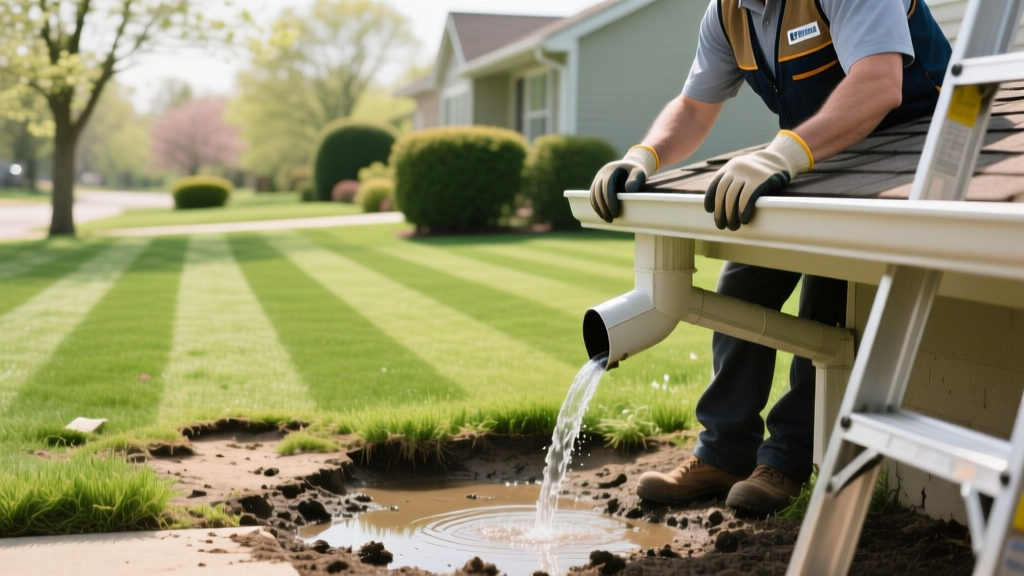
Spring Gutter Cleaning 2026: Save Your Striped Lawn
James MillerPublished
The Hidden Threat to Your Lawn's Aesthetic Patterns
As the spring 2026 thaw arrives, homeowners and landscaping enthusiasts are eagerly preparing their equipment for the first mow of the season. If you are dedicated to the art of lawn striping and aesthetic turf patterns, you already know that achieving those pristine, stadium-quality checkerboards, diamonds, and diagonal lines requires more than just a heavy roller and a sharp mower deck. It requires a flawless, level, and uniformly healthy turf canopy. However, there is a hidden threat lurking above your head that can completely destroy your carefully planned aesthetic patterns before you even start your mower: clogged gutters and poorly managed downspouts.
Winter weather brings ice dams, wind-blown debris, and freezing temperatures that wreak havoc on your home's drainage system. When spring rains arrive, a compromised gutter system dumps hundreds of gallons of water directly onto the perimeter of your lawn. This massive influx of water causes soil erosion, severe compaction, and localized flooding. For a lawn striping enthusiast, this is a nightmare. Uneven soil settles into dips and valleys, distorting the straight lines of your patterns. Furthermore, waterlogged turf breeds fungal diseases that brown the grass, destroying the high-contrast light and dark optical illusion required for beautiful lawn striping. Protecting your canvas starts from the roof down.
The Science of Lawn Striping and Soil Moisture
To understand why spring gutter maintenance is critical for aesthetic landscaping, we must look at the science behind lawn striping. According to turfgrass experts at the University of Minnesota Extension, the visual effect of lawn stripes is created by bending the grass blades in opposite directions. The side of the blade facing you reflects sunlight, appearing lighter, while the side facing away absorbs light, appearing darker. This optical illusion relies entirely on the structural integrity and health of the grass blade.
When downspouts dump excessive water onto your lawn, the soil becomes oversaturated. This leads to several issues that ruin your striping canvas:
- Shallow Root Systems: Constant surface moisture prevents grass roots from growing deep into the soil profile. Shallow roots produce weak, floppy grass blades that cannot hold a crisp bend when rolled, resulting in faded, muddy-looking stripes.
- Soil Compaction and Erosion: The sheer force of water falling from a second-story roof onto unprotected soil creates micro-craters and washouts. When you drag a striping roller over uneven, eroded soil, the roller bounces, creating wavy, inconsistent lines instead of sharp geometric patterns.
- Fungal Pathogens: Standing water and prolonged moisture on the grass canopy invite diseases like Pythium blight and brown patch. Diseased grass loses its vibrant green chlorophyll, turning yellow or brown, which completely ruins the dark/light contrast necessary for aesthetic patterns.
Step-by-Step Spring 2026 Gutter Cleaning Guide
To ensure your lawn remains a pristine canvas for your 2026 striping designs, you must clear your gutters and downspouts early in the spring. Here is a modern, efficient approach to seasonal home maintenance.
Step 1: Safety and Initial Inspection
Before climbing a ladder, inspect the gutter line from the ground using binoculars. Look for sagging sections, visible plant growth, and debris buildup. Ensure your ladder is equipped with standoff stabilizers to prevent damage to your gutters and to provide a stable base. Never lean the ladder directly against the gutter troughs, as the weight can bend the aluminum and alter the water pitch.
Step 2: Debris Removal with 2026 Technology
While traditional manual scooping works, the 2026 lineup of outdoor power equipment offers safer, ground-level alternatives. The EGO Power+ Multi-Head System with the Gutter Cleaning Attachment allows you to blast dry leaves and pine needles out of the troughs from the safety of the ground using high-velocity air. For wet, compacted sludge, a wet/dry shop vacuum equipped with a specialized gutter cleaning hose attachment is highly effective. This prevents the sludge from falling onto your carefully prepped lawn edges and smothering the turf.
Step 3: Flushing the Downspouts
Clearing the trough is only half the battle; the downspout must flow freely. Use a garden hose with a high-pressure nozzle to flush water down the downspout. If the water backs up, you have a clog. Feed a plumber's snake or a specialized downspout cleaning bladder up from the bottom to dislodge compacted shingle grit and decaying leaves. A clear downspout ensures water is rapidly channeled away from your turf's root zone.
Downspout Extensions: Directing Water Away from Your Canvas
Once the water is flowing, you must control where it lands. The Penn State Extension strongly recommends directing roof runoff at least four to six feet away from your home's foundation and away from high-traffic turf areas. For lawn striping enthusiasts, this means routing water completely out of your primary aesthetic pattern zones.
Consider using rigid PVC downspout extensions painted to match your home's exterior, or burying corrugated drain pipes that route water to a designated rain garden or storm drain. If you must use surface extensions across the lawn, opt for low-profile, flexible roll-up drain sleeves that can be easily moved before you begin your mowing and striping routine. Never allow a downspout to discharge directly onto a slope leading into your lawn, as the resulting water velocity will carve trenches through your soil, permanently ruining the level grading required for flawless striping.
Rainwater Harvesting for Precision Irrigation
Instead of letting spring rains wash away your topsoil, capture that water to maintain your striped lawn during the dry summer months. The EPA WaterSense program highlights rainwater harvesting as a key component of efficient landscape management. By installing a 50-gallon or 80-gallon rain barrel connected to your freshly cleaned downspout, you create a reservoir of soft, chlorine-free water.
Why does this matter for lawn striping? Municipal tap water often contains high levels of chlorine and salts that can accumulate in the soil, causing turf stress and dulling the vibrant green color of your grass. Rainwater is naturally slightly acidic and free of these chemicals, promoting optimal nutrient uptake. A deep, infrequent watering schedule using harvested rainwater encourages the deep root growth and rigid blade structure necessary to hold a sharp, long-lasting stripe when rolled.
2026 Gutter & Downspout Maintenance Comparison Chart
Choosing the right maintenance method ensures you spend less time cleaning and more time designing your lawn's aesthetic patterns. Below is a comparison of the top 2026 gutter maintenance strategies.
| Maintenance Method | Best Application | Est. 2026 Cost | Impact on Lawn Canvas |
|---|---|---|---|
| Manual Scooping & Tarp | Heavy, wet sludge and pine needles | $25 - $50 (Tools) | High risk of dropping debris onto turf, potentially smothering grass edges and ruining perimeter stripes. |
| Leaf Blower Gutter Attachment | Dry leaves and light debris | $40 - $80 (Attachment) | Excellent. Keeps debris airborne and away from the lawn surface, preserving the pristine turf edge. |
| Wet/Dry Vac Gutter Kit | Wet muck and tight corners | $60 - $120 (Kit) | Superior. Completely removes organic matter without dropping a single leaf onto your striped canvas. |
| Smart Gutter Monitors | Continuous clog detection | $100 - $150 (Sensor) | Preventative. Alerts your phone to blockages before overflow occurs, preventing sudden soil erosion. |
| Buried Downspout Drainage | Permanent water routing | $300 - $800 (Pro Install) | Flawless. Eliminates surface hoses and splash blocks, leaving an unobstructed lawn for complex patterns. |
Expert Tips for Long-Term Pattern Preservation
To maintain your lawn's aesthetic integrity throughout the 2026 season and beyond, consider upgrading your home's exterior drainage infrastructure. Installing high-quality micro-mesh gutter guards is a game-changer for striping enthusiasts. By preventing debris from entering the trough in the first place, you eliminate the risk of sudden mid-summer overflow during heavy thunderstorms, which can instantly create muddy, unsightly patches in the middle of a freshly striped checkerboard pattern.
Additionally, integrate smart home technology into your exterior maintenance routine. Modern IoT water sensors placed near your foundation and downspout exits can alert you to improper drainage or freezing conditions. By combining meticulous roof-to-ground water management with precision mowing techniques, you ensure that your lawn remains a healthy, level, and vibrant canvas. Remember, the most beautiful lawn stripes in the neighborhood are not just the result of a good mower; they are the result of a holistic approach to home and garden care that starts with a clean, efficient gutter system.
