Home & Garden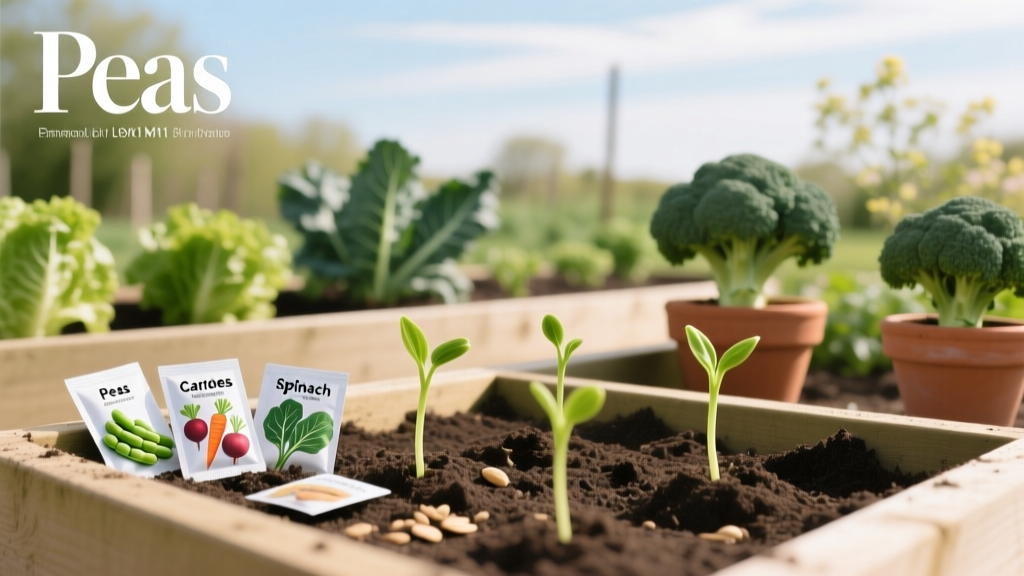
The Ultimate Spring Vegetable Planting Schedule by Frost Date
Anna KowalskiPublished
Bridging the Gap: From Winter Planning to Spring Harvest
The transition from the quiet dormancy of winter to the explosive growth of spring is the most exciting time of the year for any home gardener. However, the difference between a thriving, garden-to-table harvest and a patch of stunted, frost-bitten seedlings often comes down to one critical factor: timing. Mastering your spring vegetable planting schedule based on your local frost dates is the foundation of successful edible landscaping. Planting too early risks losing your tender crops to a surprise late freeze, while planting too late can expose cool-weather crops to bolting heat waves before they ever reach maturity.
In this comprehensive guide, we will break down the seasonal timing for starting seeds indoors, hardening off transplants, and direct sowing outdoors. We will also explore how to integrate smart home technology to automate your early spring garden setup, ensuring your plants get the exact light and moisture they need while you focus on other seasonal home maintenance tasks.
Step 1: Pinpointing Your Last Spring Frost Date
Before you purchase a single seed packet, you must establish your baseline: the average last spring frost date. This is the date when there is a 50% chance that the temperature will drop below 32°F (0°C). While microclimates in your yard (such as low-lying frost pockets or heat-retaining brick walls) can shift this slightly, the regional average is your best starting point.
To find your specific date, consult The Old Farmer's Almanac Planting Calendar, which allows you to enter your zip code for localized historical weather data. Additionally, cross-referencing your specific zone using the USDA Plant Hardiness Zone Map will help you understand the broader climate constraints of your region. Remember that a 'light freeze' (29°F to 32°F) will kill tender summer crops like tomatoes and peppers, but hardy crops like kale and spinach can easily survive it.
8 to 10 Weeks Before Last Frost: Indoor Seed Starting
Long before the ground thaws, your spring garden begins indoors. Slow-growing, heat-loving crops require a significant head start. Peppers, eggplants, and certain herbs should be sown indoors 8 to 10 weeks before your last frost date. Tomatoes generally follow closely behind at the 6 to 8-week mark.
Essential Gear and Smart Integration
Successful indoor seed starting requires consistent warmth and intense light. A standard setup includes heavy-duty seed trays (such as the Bootstrap Farmer 72-cell trays, approx. $25), a seedling heat mat (like the VIVOSUN mat, approx. $20), and full-spectrum LED grow lights (Barrina T5 LEDs, approx. $40). According to the National Gardening Association, providing bottom heat can increase pepper seed germination rates by over 50% and cut germination time in half.
Smart Home Tip: Integrate your grow lights and heat mats into your smart home ecosystem using outdoor-rated smart plugs (like Kasa or Wyze Plugs). Set an automated schedule to run your lights for 16 hours on and 8 hours off. This mimics the long days of summer and prevents the leggy, weak growth associated with manual, inconsistent lighting schedules.
4 to 6 Weeks Before Last Frost: Direct Sowing Cool-Weather Crops
As your indoor seedlings develop their first true leaves, the outdoor soil is beginning to wake up. This is the window for direct sowing frost-tolerant, cool-weather crops. Vegetables like peas, spinach, radishes, and carrots actually prefer the cool, moist soil of early spring and will bolt (go to seed and turn bitter) if planted too late when summer heat arrives.
Soil Temperature vs. Air Temperature
Do not rely on the air temperature to tell you when to plant outdoors. Instead, invest in a digital soil thermometer. Peas can germinate in soil temperatures as low as 40°F, while spinach prefers a slightly warmer 45°F to 50°F. Prepare your raised beds by top-dressing them with an inch of rich, finished compost and a balanced organic granular fertilizer (such as Espoma Garden-tone 3-4-4) to replenish nutrients depleted over the previous growing season.
The Master Spring Planting Schedule
Use the following data table as a quick-reference guide to keep your seasonal timing on track. Adjust the 'Weeks Before Frost' column based on the specific instructions on your seed packets and your local microclimate conditions.
| Crop Category | Specific Crop | Start Indoors (Weeks Before Frost) | Transplant Outdoors | Direct Sow Outdoors | Min. Soil Temp |
|---|---|---|---|---|---|
| Solanaceae (Nightshades) | Peppers & Eggplant | 8 - 10 Weeks | 2 Weeks After Frost | N/A | 75°F - 85°F |
| Solanaceae (Nightshades) | Tomatoes | 6 - 8 Weeks | 1 - 2 Weeks After Frost | N/A | 65°F - 75°F |
| Brassicas | Broccoli & Cabbage | 4 - 6 Weeks | 2 - 3 Weeks Before Frost | N/A | 45°F - 55°F |
| Legumes | Snap Peas | N/A | N/A | 4 - 6 Weeks Before Frost | 40°F - 45°F |
| Leafy Greens | Spinach & Arugula | N/A | N/A | 4 - 6 Weeks Before Frost | 45°F - 50°F |
| Root Vegetables | Carrots & Radishes | N/A | N/A | 2 - 4 Weeks Before Frost | 50°F - 55°F |
| Cucurbits | Zucchini & Cucumbers | 3 - 4 Weeks | 1 - 2 Weeks After Frost | 1 - 2 Weeks After Frost | 60°F - 70°F |
2 Weeks Before to 2 Weeks After: Hardening Off and Transplanting
The most critical phase of the spring planting schedule is the 'hardening off' process. Seedlings grown in the pampered, climate-controlled environment of your home will suffer severe shock, sunscald, or windburn if moved directly into the harsh outdoor elements.
The 7-Day Hardening Off Protocol
- Days 1-2: Place seedlings in a fully shaded, wind-protected outdoor area for 2-3 hours, then bring them back inside.
- Days 3-4: Increase outdoor time to 5-6 hours, introducing them to dappled morning sunlight. Keep them out of harsh afternoon sun.
- Days 5-6: Leave them outside for 8-10 hours, gradually exposing them to direct sunlight and gentle breezes.
- Day 7: Leave them outside overnight, provided the nighttime temperature remains well above your crop's minimum tolerance level.
When transplanting warm-weather crops like tomatoes after your last frost date, bury the stem up to the first set of true leaves. Tomatoes will sprout adventitious roots along the buried stem, creating a massive, drought-resistant root system. To protect against unexpected late-spring cold snaps, keep floating row covers (like Agribon frost blankets) on hand. These breathable fabrics can raise the ambient temperature around your plants by 4°F to 8°F, saving your transplants from a freak freeze.
Smart Irrigation and Early Spring Soil Maintenance
Spring weather is notoriously fickle, swinging from heavy, waterlogging downpours to unseasonably warm, dry spells. Relying on manual watering during this transitional period often leads to inconsistent soil moisture, which can cause blossom end rot in developing tomatoes or cause shallow-rooted radishes to crack.
Install a drip irrigation system in your raised beds before your transplants go into the ground. A standard Rain Bird drip irrigation kit (approx. $60) can be customized to fit a 4x8-foot raised bed, delivering water directly to the root zone and keeping foliage dry, which drastically reduces the risk of fungal diseases like early blight.
Smart Home Integration: Connect your drip irrigation manifold to a smart hose timer or a smart sprinkler controller (like the Rachio 3). By integrating local weather forecasting APIs, these smart controllers will automatically skip watering schedules if rain is in the forecast, or increase watering duration during sudden, unseasonable spring heatwaves. This not only conserves water and lowers your utility bills but also ensures your garden-to-table crops receive the precise hydration they need to establish strong root systems before the intense heat of summer arrives.
Conclusion
Successful spring gardening is a marathon, not a sprint. By anchoring your planting schedule to your local frost dates, leveraging indoor seed starting, and utilizing smart home technology to automate light and water, you set the stage for a highly productive growing season. Respect the timing of nature, prepare your soil, and enjoy the deeply rewarding process of bringing your spring garden to life.
