Tree Care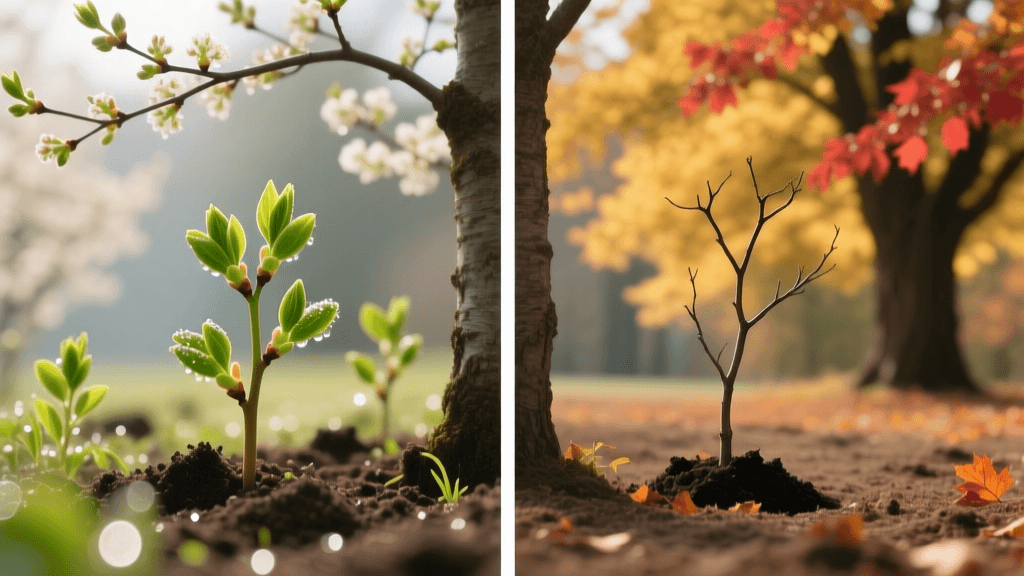
Spring vs Fall Tree Planting: Optimal Timing & Species Guide
Introduction to Seasonal Tree Planting
Planting a tree is one of the most significant long-term investments you can make in your landscape. A properly placed and cared-for tree can increase property values by up to 15 percent, reduce summer cooling costs, and provide ecological benefits for decades. However, the success of this investment hinges heavily on one critical factor: seasonal timing. Choosing the wrong season to plant can subject a young tree to severe transplant shock, drought stress, or winter kill, ultimately leading to failure.
The debate between spring and fall planting is a common one among homeowners and landscapers alike. While both seasons offer distinct advantages depending on your geographic location and the specific tree species, understanding the biological rhythms of trees is essential. In this comprehensive guide, we will break down the science behind seasonal tree planting, provide actionable schedules based on USDA Hardiness Zones, and offer a step-by-step protocol to ensure your new trees establish deep, resilient root systems.
The Biological Case for Fall Tree Planting
For many temperate climates, fall is widely considered the gold standard for tree planting. The primary biological advantage of autumn planting lies in the relationship between soil temperature and air temperature. As autumn progresses, the air cools significantly, which signals the tree's canopy to slow its top-growth and enter dormancy. However, the soil retains the warmth accumulated throughout the summer months.
This warm soil encourages vigorous root growth and establishment without the energy demands of supporting new leaves or branches. According to the Arbor Day Foundation, planting in the fall allows trees to develop a robust root system before the stress of the following summer's heat and drought. Furthermore, fall typically brings increased rainfall, reducing the manual watering burden on the homeowner. Pests and fungal diseases are also less active in the cooler autumn months, giving the vulnerable newly planted tree a safer environment to heal and acclimate.
When Spring Planting is the Superior Choice
While fall is ideal for many regions, spring planting is absolutely necessary in certain scenarios. In northern climates with harsh, freezing winters (USDA Zones 3 through 5), fall planting can be risky. If a tree does not have enough time to establish its root system before the ground freezes completely, it can suffer from 'winter desiccation' or frost heaving, which pushes the root ball out of the ground.
Spring planting is also the mandatory schedule for bare-root trees. Nurseries typically dig up bare-root specimens while they are fully dormant in late winter and ship them for early spring planting. If you miss the early spring window for bare-root trees, you must wait until the following year or opt for container-grown alternatives. Additionally, certain slow-to-root species and broadleaf evergreens benefit from spring planting, as it gives them an entire growing season to anchor themselves before facing winter winds.
Deciduous vs. Evergreen: Timing by Species
Not all trees respond to seasonal changes in the same way. Matching the planting season to the tree's botanical classification is a hallmark of professional arboriculture.
- Deciduous Trees (Maples, Oaks, Elms, Birches): These trees drop their leaves and enter a deep dormancy. They are highly adaptable to fall planting. The lack of foliage means transpiration (water loss) is virtually zero, allowing the tree to focus entirely on root expansion in warm autumn soil.
- Needled Evergreens (Pines, Spruces, Firs): Evergreens retain their needles year-round and continue to lose moisture through transpiration even in winter. Planting them in late fall is risky because they cannot replace lost moisture if the ground is frozen. Early spring or late summer (August to early September) is the optimal planting window for conifers.
- Broadleaf Evergreens (Rhododendrons, Hollies, Magnolias): Similar to needled evergreens, these are susceptible to winter burn. Spring planting is generally preferred to allow a full season of root establishment before cold weather sets in.
USDA Hardiness Zone Planting Schedules
Your geographic location dictates your optimal planting window. The table below outlines the best seasonal schedules based on USDA Hardiness Zones.
| USDA Zone | Climate Profile | Ideal Planting Season | Target Months | Key Considerations |
|---|---|---|---|---|
| Zones 3-5 | Cold, harsh winters | Spring | April - May | Wait until soil thaws and dries. Avoid fall planting to prevent winter kill. |
| Zones 6-7 | Moderate, distinct seasons | Fall | September - November | Prime deciduous planting window. Ensure 6 weeks before ground freeze. |
| Zones 8-9 | Warm, mild winters | Late Fall / Winter | November - February | Avoid summer planting due to extreme heat stress. Winter is ideal. |
| Zones 10-11 | Tropical / Subtropical | Wet Season / Winter | Varies by region | Plant at the onset of the rainy season to reduce irrigation needs. |
Step-by-Step Seasonal Planting Protocol
Whether you are planting in the crisp air of October or the damp soil of April, proper installation technique is non-negotiable. A mature 15-gallon Balled and Burlapped (B&B) tree can cost anywhere from $150 to over $400. Protect your investment by following these precise measurements and steps.
1. Digging the Hole
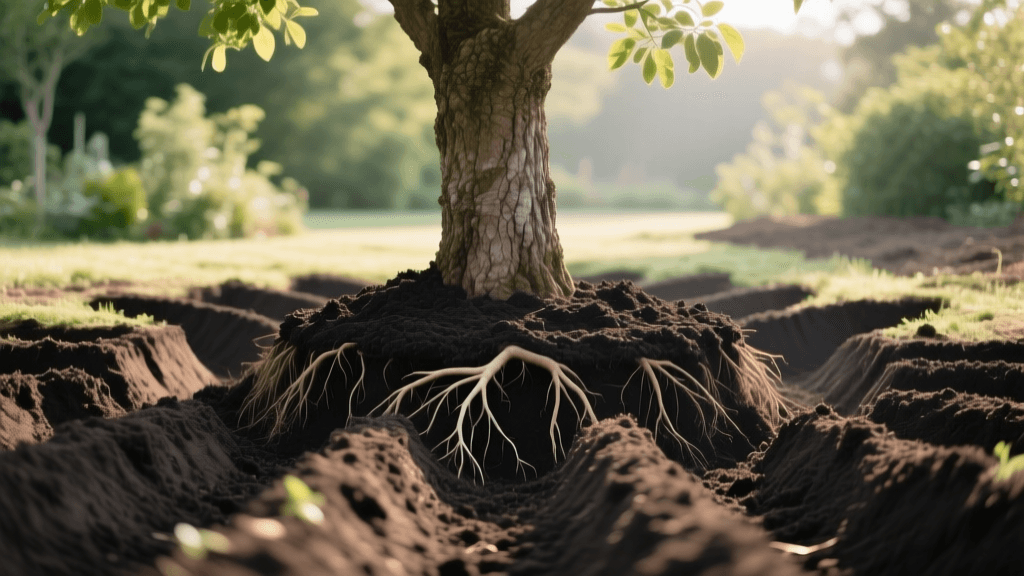
The most common mistake homeowners make is digging a hole that is too deep and too narrow. According to the University of Minnesota Extension, you should dig a hole that is 2 to 3 times wider than the root ball, but no deeper than the root ball itself. The goal is to provide loose, aerated soil for the lateral roots to expand into, while ensuring the tree sits on undisturbed, firm soil at the bottom so it does not sink over time.
2. Locating the Trunk Flare
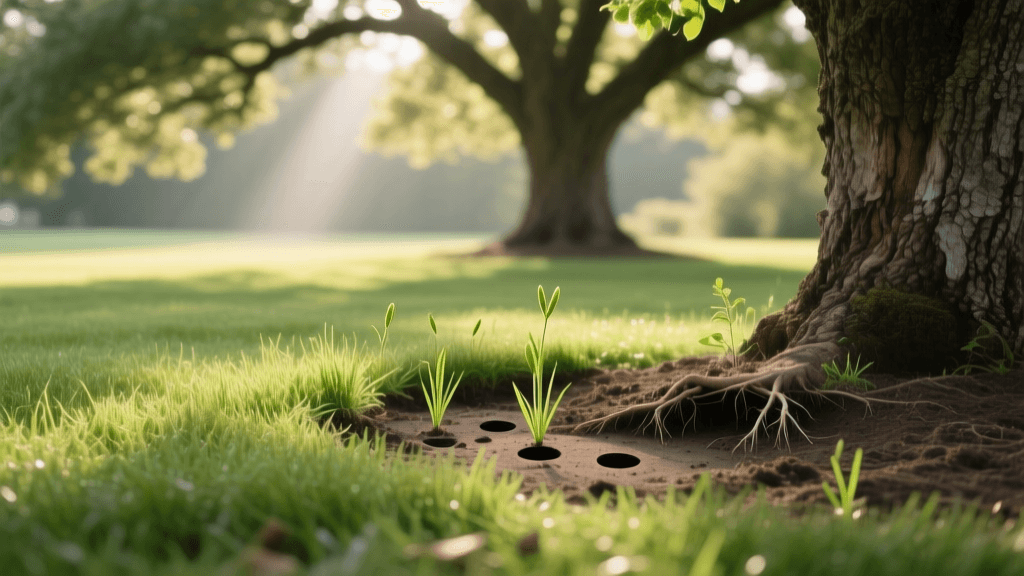
Before placing the tree in the hole, brush away the top layer of soil from the root ball to expose the trunk flare—the point where the trunk widens at the base and transitions into the roots. The trunk flare must be slightly above grade (about 1 to 2 inches above the surrounding soil level). Burying the trunk flare leads to girdling roots and trunk rot, which are leading causes of tree mortality in urban landscapes.
3. Backfilling and Hydration
Backfill the hole with the native soil you just dug out. Avoid amending the backfill with heavy compost or fertilizer, as this can create a 'potting effect' where roots refuse to expand beyond the rich soil pocket into the native clay or sand. As you backfill, use a hose to gently water the soil, eliminating large air pockets. The Clemson University Extension recommends applying a slow, deep watering immediately after planting to settle the soil.
4. Mulching Correctly
Apply a 2 to 3-inch layer of organic mulch (such as shredded hardwood or pine bark) in a wide ring around the tree. The mulch ring should extend at least 3 feet from the trunk. Crucially, keep the mulch pulled back 3 to 4 inches from the trunk flare itself. 'Volcano mulching'—piling mulch against the trunk—traps moisture, invites fungal pathogens, and encourages secondary roots to grow into the mulch rather than the soil.
Pro Tip: During fall planting, a thick layer of mulch acts as an insulating blanket, keeping the soil warmer for longer and extending the root-growth period well into late November and early December.
Post-Planting Seasonal Care and Maintenance
The work does not stop once the tree is in the ground. Seasonal aftercare is vital for survival during the critical first two years of establishment.
Fall-Planted Trees: Winter Prep
If you planted in the fall, your primary concern is winter moisture and protection. Continue watering the tree deeply once a week until the ground freezes solid. For thin-barked species like Maples and Lindens, consider applying a tree wrap to the lower trunk to prevent 'sunscald'—a phenomenon where winter sun warms the bark during the day, only for it to freeze and crack rapidly at night. Additionally, keep a close eye on rodents; mice and voles love to chew on tender bark under the snow line, so ensure your mulch is kept away from the trunk and consider a wire mesh guard if you live in a rural area.
Spring-Planted Trees: Summer Survival
Trees planted in the spring face the immediate threat of summer heat. A newly planted tree has a severely restricted root system and cannot forage for deep water. You must provide supplemental watering. A general rule of thumb is to provide 1.5 inches of water per week, either from rainfall or irrigation. Use a slow-drip hose or a tree watering bag (like a Treegator) to deliver water directly to the root zone without causing runoff. Avoid high-nitrogen fertilizers in the first year; instead, focus on root-stimulating mycorrhizal fungi inoculants to help the tree process nutrients efficiently.
Conclusion
Mastering the timing of tree planting is a blend of botanical science and regional awareness. While fall offers the magical combination of warm soil and cool air for deciduous trees, spring remains the safest harbor for evergreens and gardeners in freezing northern zones. By consulting your local USDA Hardiness Zone, respecting the trunk flare, and committing to rigorous seasonal watering schedules, you ensure that your trees will not just survive their first year, but thrive for generations to come. Plan your planting schedule carefully, prepare the soil meticulously, and watch your landscape transform.