Tree Care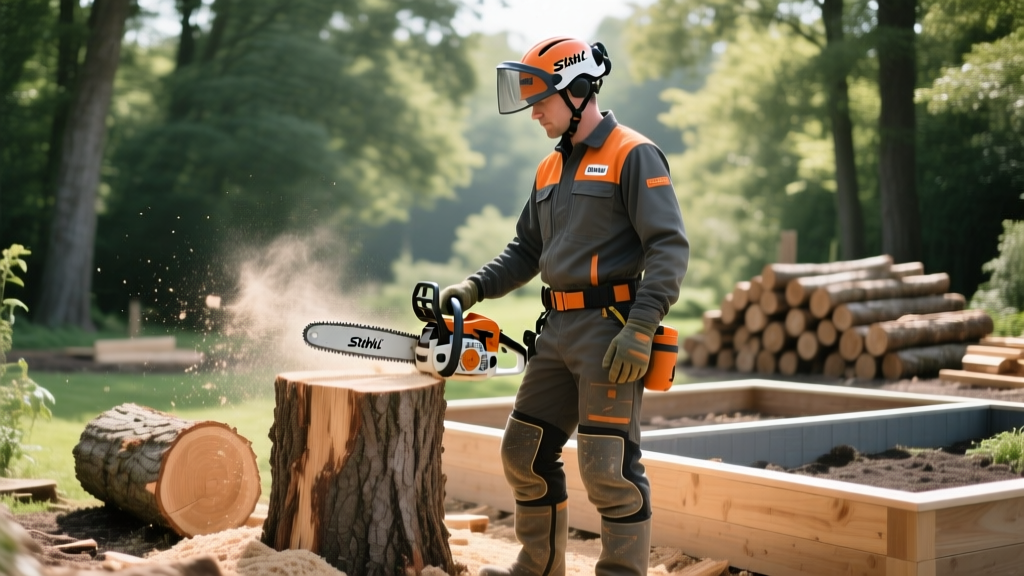
Stihl Chainsaw Safety Gear 2026: Helmets & Chaps For Gardeners
Lisa ThompsonPublished
The Intersection of Tree Care and Raised Bed Gardening
Raised bed vegetable gardening is a rewarding pursuit, but it often requires homeowners to wear a second hat: that of an arborist. To achieve the bountiful harvests of tomatoes, peppers, and squash that gardeners dream of, your raised beds require a minimum of six to eight hours of direct, unfiltered sunlight daily. In many established backyards, this means battling overhanging tree canopies that cast detrimental shade over your carefully constructed soil mounds. Furthermore, the very materials used to build premium raised beds—rot-resistant timbers like black locust, cedar, or redwood—are often sourced directly from fallen trees on the property, requiring the use of a chainsaw mill.
Whether you are dropping a hazardous, shade-casting limb to maximize solar exposure for your vegetable patch or milling a storm-felled pine into thick planks for a new 4x8 garden bed, the chainsaw is an indispensable tool. However, it is also one of the most dangerous pieces of equipment a homesteader can own. In 2026, integrating professional-grade tree care safety protocols into your gardening routine is not just recommended; it is an absolute necessity.
Why 2026 Stihl Safety Gear is Essential for Homesteaders
The transition from peaceful gardening to aggressive tree clearing happens fast. One moment you are turning compost, and the next you are limbing a heavy oak branch. According to the Occupational Safety and Health Administration (OSHA), chainsaws present significant hazards, including kickback, pushback, and pull-in, which can lead to severe lacerations or fatal injuries in a fraction of a second. The garden environment introduces unique tripping hazards such as exposed irrigation lines, uneven soil mounds, and slippery mulch, making stable footing and protective gear even more critical than in a sterile logging environment.
For the 2026 season, Stihl has refined its protective apparel line to offer unprecedented mobility without sacrificing cut-retardant capabilities. When you are maneuvering around the corners of a raised bed or balancing on a slope to reach a low-hanging branch, your gear must move with you while providing a vital shield against a moving chain traveling at over 60 miles per hour.
Top Stihl Helmets for 2026 Garden Clearing
When pruning trees to let sunlight reach your vegetable beds, you are frequently looking up into the canopy. This exposes your face and eyes to falling debris, woodchips, and sawdust. The STIHL Pro Mark Forest Helmet System remains the gold standard for 2026. This integrated system features a high-visibility orange shell, a polycarbonate visor that resists fogging during humid summer pruning sessions, and adjustable ear muffs that protect your hearing from the high-decibel roar of gas-powered saws like the Stihl MS 261 C-M.
The 2026 iterations of the Pro Mark helmet feature an improved six-point suspension system that distributes weight evenly, reducing neck strain during long days of milling timber for garden borders. The ratcheting headband allows for micro-adjustments, ensuring the helmet stays securely in place even when you are bending over to inspect your root crops or leaning into a cut.
Choosing the Right Stihl Protective Chaps
Chainsaw chaps are engineered with specialized ballistic fibers, such as Kevlar and Tek warp. When the outer shell is cut by a chainsaw, these inner layers are instantly drawn into the saw's drive sprocket, jamming the mechanism and stopping the chain before it can reach your flesh. For raised bed gardeners, Stihl offers two primary configurations in their 2026 Pro Mark lineup:
- Apron Chaps: These protect the front of the legs and are ideal for hot summer days when you are doing light pruning to open up the garden canopy. They offer maximum breathability while protecting your femoral arteries.
- Wrap-Around Chaps: These provide 360-degree protection, wrapping around the calves. They are mandatory when milling timber for raised beds, as the unpredictable nature of log rolling and chainsaw milling introduces severe risks from unconventional angles.
Sizing is critical. Your chaps should cover from your waist down to the top of your work boots. If they are too long, they become a tripping hazard around your raised beds; if they are too short, they leave your lower legs exposed.
2026 Stihl Safety Gear Comparison Chart
| Product Model (2026) | Type | Best Garden Use Case | Key Feature | Est. Price |
|---|---|---|---|---|
| Pro Mark Forest Helmet | Head/Face/Ears | Canopy pruning for sunlight | Anti-fog polycarbonate visor | $135.00 |
| Pro Mark Apron Chaps | Leg Protection | Summer limb clearing | Lightweight, 5-layer front | $115.00 |
| Pro Mark Wrap Chaps | Leg Protection | Milling lumber for beds | 360-degree calf coverage | $145.00 |
| Forest Jacket | Torso/Arms | Winter tree felling | Cut-retardant shoulders | $180.00 |
Safe Tree Pruning Techniques for Maximum Vegetable Sunlight
Removing shade is an art. As noted by Penn State Extension, proper pruning not only opens the canopy for your garden but maintains the structural integrity and health of the tree. When clearing limbs that block the southern sun from your raised beds, always employ the three-cut method to prevent the bark from tearing down the trunk.
- The Undercut: Make a small cut on the underside of the branch, about a foot from the trunk, to stop bark tearing.
- The Top Cut: Cut through the branch from the top, slightly further out than the undercut. The limb will fall cleanly.
- The Collar Cut: Make the final cut just outside the branch collar to promote rapid healing.
Throughout this process, your Stihl helmet visor protects your eyes from sawdust, while your chaps protect your legs from accidental slips caused by shifting woodchips on the garden paths.
Milling Your Own Timber for Raised Beds
Building raised beds from milled, on-site timber is a cornerstone of sustainable homesteading. Using an Alaskan chainsaw mill attachment allows you to slice fallen trees into beautiful, thick planks. However, milling requires the saw to be under immense tension, drastically increasing the risk of kickback. When milling, always wear your wrap-around Stihl chaps and ensure your helmet's ear muffs are securely sealed. Keep the chainsaw's chain meticulously sharpened; a dull chain requires you to push harder, increasing fatigue and the likelihood of a catastrophic mistake near your garden infrastructure.
Maintenance and Care of Your Safety Gear
Safety gear is only effective if properly maintained. Gardeners are no strangers to dirt, sap, and sweat, all of which can degrade protective equipment. Stihl chaps must be washed according to the manufacturer's instructions—typically using a mild detergent and absolutely no fabric softener. Fabric softeners coat the ballistic fibers, preventing them from expanding and jamming the chainsaw sprocket in an emergency. Furthermore, the polycarbonate visors on your helmet should be cleaned with specialized anti-scratch sprays to maintain clear visibility of your cutting lines. Finally, remember that the plastic shells of forestry helmets degrade under UV exposure. A helmet purchased for the 2026 gardening season should be retired and replaced by 2029 to ensure maximum impact resistance.
Conclusion
A thriving raised bed vegetable garden is a testament to careful planning, soil management, and environmental control. By mastering tree care and safely managing the canopy above your crops, you unlock the full potential of your harvest. Equipping yourself with the 2026 lineup of Stihl protective chaps and helmets ensures that your landscaping and milling tasks are executed safely, allowing you to return to the peaceful, rewarding work of tending your vegetables.