Home & Garden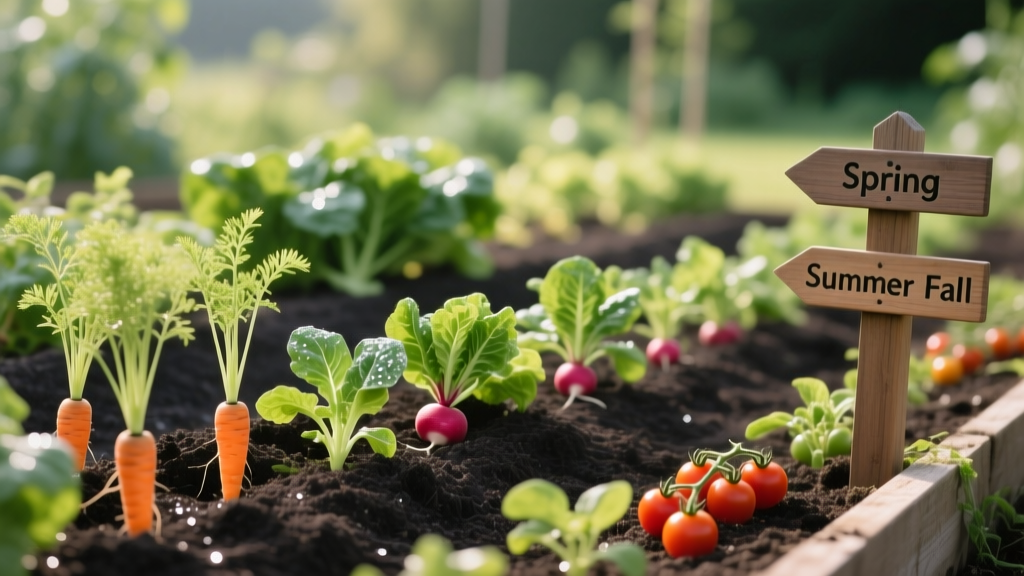
Succession Planting Schedule for Continuous Garden Harvests
David ParkPublished
The Art of the Continuous Harvest
Garden-to-table cooking is a deeply rewarding lifestyle, but nothing is more frustrating than a fleeting three-week window where you are overwhelmed with zucchini, followed by months of barren soil. To achieve a truly continuous, seasonal harvest, you must master the art and science of succession planting. Succession planting is the strategic timing of seed sowing and transplanting to ensure that as one crop finishes its lifecycle, another is ready to take its place. By aligning your planting schedules with seasonal temperature shifts, you can maximize your yield, optimize your outdoor space, and enjoy fresh, homegrown produce from early spring through late fall.
This guide will walk you through a comprehensive seasonal timing and planting schedule, complete with specific product recommendations, cost estimates, and smart home integration tips to keep your garden thriving across multiple cycles.
Step 1: Anchor Your Schedule to Local Frost Dates
Before buying a single seed, you must understand your local climate boundaries. The foundation of any seasonal planting schedule is knowing your average last spring frost date and your first fall frost date. You can determine your general climate zone by consulting the USDA Plant Hardiness Zone Map, which categorizes regions based on extreme minimum winter temperatures. However, for precise seasonal timing, frost dates are your true north.
According to the Old Farmer's Almanac, frost dates are calculated based on historical weather data and provide a 30 percent probability of frost occurring. For example, if you live in Zone 6b, your last spring frost might be around April 15th, and your first fall frost around October 20th. This gives you roughly 188 frost-free days. By breaking this window into 30-to-60-day blocks, you can layer your crops effectively. Always keep a digital or physical garden journal to track actual frost dates in your specific microclimate, as urban heat islands or low-lying frost pockets can shift these dates by a week or more.
Step 2: The Spring Kickoff (4 to 6 Weeks Before Last Frost)
Early spring is all about cool-season, fast-maturing crops. The goal is to harvest these before the summer heat causes them to bolt, which means going to seed and turning bitter. Start with root vegetables and leafy greens. Radishes, such as the Cherry Belle variety, mature in just 25 to 30 days. A standard packet of organic seeds costs about $4 and can yield hundreds of radishes if sown in 2-inch intervals. Sow them directly in raised beds filled with a premium mix like Miracle-Gro Raised Bed Soil ($12 per 1.5 cubic foot bag), which provides excellent drainage and aeration.
Alongside radishes, direct-sow Bloomsdale Long Standing spinach and arugula. These crops thrive in soil temperatures between 45 and 65 degrees Fahrenheit. To protect these early sowings from unexpected late-spring cold snaps, use a simple cold frame or a floating row cover like the Agribon AG-19 ($35 for a 100-foot roll). This lightweight fabric allows sunlight and water to penetrate while trapping enough heat to protect plants down to 28 degrees.
Step 3: The Summer Transition (2 Weeks After Last Frost)
As your spring greens are harvested and the soil warms above 65 degrees, it is time to transition to warm-season heavy hitters. This is where the University of Minnesota Extension recommends staggered planting to avoid the dreaded harvest glut. Instead of planting 20 tomato plants on the same day, plant five determinate varieties early, and follow up two weeks later with five indeterminate varieties for continuous fresh slicing.
Bush beans are the ultimate succession crop for early summer. Sow a new row of Provider bush beans every 14 days from late May through mid-July. This guarantees a steady supply of fresh beans for your garden-to-table meals rather than a single overwhelming harvest. To manage the increasing water demands of summer crops without wasting resources, integrate a smart irrigation system. The Rachio 3 Smart Sprinkler Controller (approximately $230) can be connected to drip irrigation zones in your raised beds. It uses local weather data to automatically skip watering on rainy days and increases hydration during heatwaves, ensuring your staggered crops receive consistent moisture critical for seed germination and fruit set.
Step 4: The Fall Extension (8 to 10 Weeks Before First Frost)
Many gardeners pack up their tools in late August, missing out on the most flavorful harvest of the year. Cool-season crops planted in late summer for a fall harvest often taste sweeter because light frosts trigger the plants to convert starches into sugars. Calculate your fall planting dates by taking the Days to Maturity on the seed packet and adding 14 days to account for shorter, cooler autumn days. For a mid-October harvest, sow Napoli carrots and Lacinato kale in early to mid-August. Carrots require loose, rock-free soil to grow straight; consider amending your beds with coarse sand or using a deep raised bed. Kale is incredibly cold-hardy and can often be harvested well into December if protected by a thick layer of straw mulch and a hoop house covered with greenhouse plastic.
Comprehensive Succession Planting Data Table
| Crop | Initial Sow Date | Days to Maturity | Harvest Window | Follow-Up Crop |
|---|---|---|---|---|
| Radishes | 4 weeks before last frost | 25-30 days | Early Spring | Tomatoes or Peppers |
| Spinach | 4 weeks before last frost | 40-45 days | Mid Spring | Bush Beans |
| Bush Beans | 2 weeks after last frost | 50-55 days | Early Summer | Fall Carrots or Kale |
| Zucchini | 3 weeks after last frost | 45-50 days | Mid Summer | Garlic (Overwintering) |
| Kale | 8 weeks before first frost | 55-65 days | Late Fall | Spring Peas |
Soil Rejuvenation Between Cycles
Continuous planting extracts a massive amount of nutrients from your soil. You cannot simply pull out a spent crop and plant a new one without replenishing the earth. Between every succession cycle, apply a balanced, organic granular fertilizer. Espoma Garden-tone (around $15 for a 4-pound bag) is an excellent 3-4-4 NPK option that includes beneficial soil microbes. Broadcast 1.5 cups per 10 square feet, scratch it into the top two inches of soil, and water it in deeply using your smart drip system. Additionally, top-dress the beds with a half-inch layer of screened compost to improve soil structure and water retention. This 24-hour turnaround between crops ensures your soil biology remains active and your new transplants have immediate access to the nutrients they need to establish quickly.
Conclusion
Mastering seasonal timing and succession planting transforms your garden from a fleeting summer hobby into a reliable, year-round source of fresh, garden-to-table ingredients. By anchoring your schedule to frost dates, utilizing protective row covers, integrating smart irrigation, and diligently replenishing your soil, you can maximize every square foot of your outdoor space. Grab your seed packets, calibrate your smart controllers, and start sowing your way to a continuous, bountiful harvest.
