Home & Garden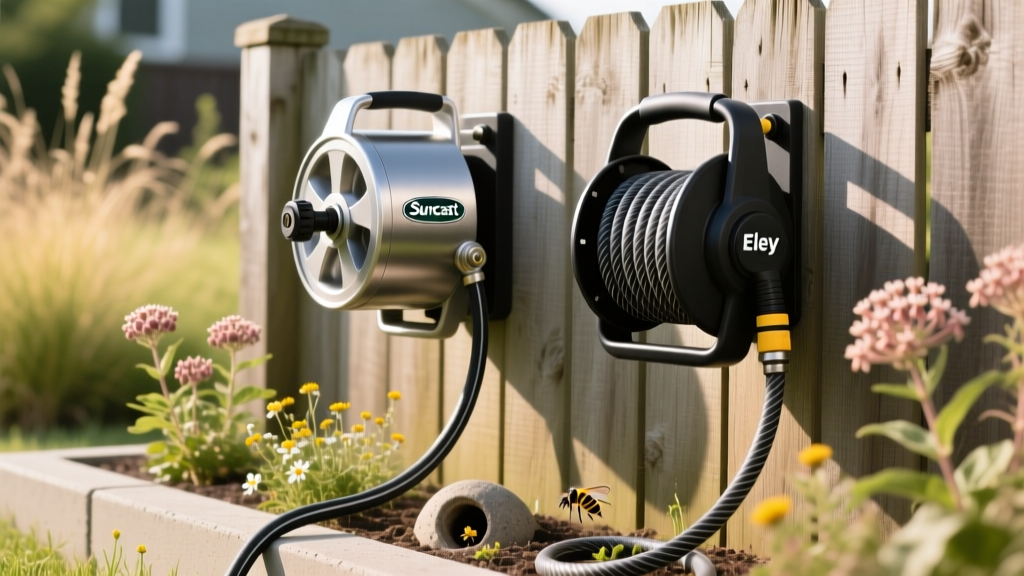
2026 Suncast vs Eley Wall-Mount Hose Reel Review for Native Gardens
Sarah ChenPublished
The Intersection of Garden Infrastructure and Pollinator Health
When designing a thriving, pollinator-friendly landscape, most gardeners focus heavily on plant selection, prioritizing native milkweed, coneflowers, and bee balm. However, the hardscape and infrastructure you use to maintain those plants play an equally vital role in the ecosystem's health. As we navigate the 2026 gardening season, the conversation around sustainable garden maintenance has shifted toward how our tools impact the delicate habitats we are trying to cultivate. A primary, often overlooked culprit of habitat destruction in the home garden is the mismanaged, heavy, and kinked garden hose.
Dragging a cumbersome hose through a garden bed doesn't just trample delicate native wildflowers; it devastates the micro-habitats of essential insects. Today, we are comparing two of the most popular wall-mount hose reel solutions on the market: the budget-friendly, resin-based Suncast enclosures and the premium, metal-constructed Eley wall-mount reels. By evaluating these two distinct approaches, we can determine which system best supports the precise watering needs and physical preservation of a modern pollinator garden.
Why Hose Management Matters for Ground-Nesting Bees
To understand why a high-quality hose reel is an ecological necessity, we must look beneath the soil. According to The Xerces Society for Invertebrate Conservation, approximately 70% of all native bee species are ground-nesting. These crucial pollinators, including sweat bees and mining bees, dig small tunnels in bare or sparsely vegetated soil to lay their eggs.
When a heavy, water-filled hose is dragged across the garden without the controlled retraction provided by a premium reel, it acts like a bulldozer. It compacts the soil, collapses nesting tunnels, and crushes emerging larvae. Furthermore, a hose left tangled on the ground creates damp, shaded microclimates that encourage fungal growth and deter the sun-baking behavior that many native ectothermic insects require. A wall-mount reel keeps the hose elevated, organized, and entirely out of the way of these vital ground-level ecosystems.
Suncast Wall-Mount Reels: The Resin Enclosure Approach
Suncast has long been a staple in suburban garden sheds, and their 2026 lineup of resin swivel hideaway and wall-mount enclosures continues to dominate the budget-friendly market. These reels typically feature a hard plastic shell that completely encases the hose, protecting it from direct UV radiation.
Pros for the Pollinator Garden
- UV Protection: By shielding the hose from the sun, Suncast enclosures prevent the breakdown of synthetic rubber and plastics. This reduces the risk of chemical leaching and microplastic shedding into your native garden beds, keeping the soil microbiome intact.
- Affordability: Priced generally between $60 and $90 in 2026, these units allow beginners to allocate more of their budget toward purchasing high-quality native plant plugs and organic compost.
- Enclosed Design: The solid shell prevents birds and small mammals from attempting to nest inside the coils of the hose, a common issue with open wire reels.
Cons for the Pollinator Garden
- Bulky Footprint: The large, boxy profile of Suncast enclosures can cast significant shade. If mounted on a fence adjacent to sun-loving pollinator plants like Echinacea purpurea (Purple Coneflower) or Asclepias tuberosa (Butterfly Weed), the reel's shadow can stunt floral production and reduce nectar yields.
- Plastic Degradation: Despite UV inhibitors, extreme temperature fluctuations can cause resin to become brittle over time, leading to cracking and the eventual introduction of plastic debris into the garden environment.
- Swivel Leaks: The internal plastic swivel mechanisms are prone to dripping, which can create localized, overly saturated soil zones that promote root rot in drought-tolerant native prairie plants.
Eley Rapid Wall-Mount: The Premium Metal Standard
On the opposite end of the spectrum is the Eley 1041 Rapid Wall-Mount Hose Reel. Crafted from powder-coated aircraft-grade aluminum and solid brass fittings, Eley represents a 'buy it for life' investment for the serious eco-conscious gardener. In 2026, Eley remains the gold standard for durability and precision watering mechanics.
Pros for the Pollinator Garden
- Zero Chemical Leaching: Eley's use of lead-free brass and high-grade aluminum means there are no synthetic polymers or degrading plastics touching your water supply or dripping onto your soil. This ensures the water reaching your native flora is free from microplastics.
- Smooth, Controlled Retraction: The precision-engineered drum and ergonomic handle allow for smooth, snag-free hose deployment and retraction. This prevents the violent 'yanking' motion that frequently uproots shallow-rooted native seedlings and tears through delicate stems.
- Minimalist Footprint: The open, low-profile design casts virtually no shade, ensuring that every ray of sunlight reaches your pollinator borders. It also allows for maximum airflow, preventing the rust and mold issues associated with enclosed plastic bins.
- Lifetime Warranty: Eley offers a 10-year no-leak, no-fail warranty. This sustainability model aligns perfectly with the eco-friendly ethos of native gardening, reducing landfill waste caused by replacing broken plastic reels every few seasons.
Cons for the Pollinator Garden
- High Initial Investment: Retailing around $325 to $375 in 2026, the Eley reel is a significant upfront cost, though it pays dividends in longevity and habitat protection over the decades.
- Mounting Requirements: Because the reel and a fully loaded 100-foot hose are heavy, it requires secure mounting into wooden studs or masonry, which can be challenging on older, fragile garden fencing.
Feature-by-Feature 2026 Comparison Table
| Feature | Suncast Resin Enclosure | Eley Rapid Wall-Mount |
|---|---|---|
| Primary Material | Injection-molded Polypropylene | Powder-Coated Aluminum & Brass |
| 2026 Estimated Price | $60 - $90 | $325 - $375 |
| Hose Capacity | 100 ft (5/8 in) | 125 ft (5/8 in) |
| UV & Leaching Protection | High UV shield, but plastic degradation risk | Zero leaching, UV-stable metal |
| Shade Cast on Plants | High (Bulky profile) | Minimal (Open wireframe design) |
| Ground-Nesting Bee Safety | Moderate (Prone to snagging/dragging) | Excellent (Smooth glide prevents yanking) |
| Warranty | 1 to 5 Years (Limited) | 10 Years (Comprehensive) |
Watering Techniques for Native Pollinator Flora
The reel you choose directly impacts how you water, which in turn affects pollinator health. The Environmental Protection Agency (EPA) emphasizes that efficient, targeted outdoor water use is critical for both conservation and plant health. Native pollinator plants generally prefer deep, infrequent watering at the root zone rather than shallow, daily overhead sprinkling.
Overhead watering is particularly detrimental to a pollinator garden. Wetting the foliage of native plants like Bee Balm (Monarda) invites powdery mildew, which degrades the plant's vigor. More importantly, watering flowers directly washes away nectar and pollen, starving foraging bees and hummingbirds, and can physically drown small insects resting on the blooms. A high-quality reel like the Eley, which feeds the hose out smoothly without kinking, makes it far easier to attach a targeted watering wand and deliver water directly to the soil line. Conversely, cheaper reels that allow the hose to kink and bind often frustrate gardeners into using wasteful, broad-spectrum oscillating sprinklers that harm the very insects the garden was designed to support.
Installation and Placement in the Pollinator Border
Where you mount your reel is just as important as the reel itself. The National Wildlife Federation recommends creating layered, diverse habitats that mimic natural ecosystems. When installing a wall-mount reel, ensure it is not placed directly above bare soil patches designated for ground-nesting bees.
Even the best reels can occasionally drip at the connection point. If your reel drips onto a bare soil nesting area, it will turn the soil into mud, suffocating developing bee larvae. Mount your reel above a permeable hardscape surface, such as a gravel path or a stepping stone, and route your hose through dedicated garden hose guides staked into the mulch. This keeps the hose elevated over creeping groundcovers like Wild Strawberry (Fragaria virginiana) and Creeping Thyme, preventing the heavy rubber line from crushing these low-growing nectar sources.
Final Verdict: Which Reel Wins for 2026?
When viewing garden infrastructure through the lens of pollinator conservation and long-term ecological sustainability, the Eley Rapid Wall-Mount Hose Reel is the undisputed winner for the dedicated native garden. While the Suncast enclosure offers a low barrier to entry and excellent UV shielding for the hose itself, its bulky footprint, potential for plastic degradation, and tendency to snag and drag make it a liability for delicate garden beds and ground-nesting insect habitats.
The Eley reel's premium brass and aluminum construction ensures that no microplastics leach into your carefully curated native soil. Its buttery-smooth deployment protects shallow-rooted wildflowers from being accidentally uprooted, and its minimalist design ensures that sun-loving pollinator plants receive the unfiltered light they need to produce abundant nectar. For the eco-conscious gardener investing in the future of local biodiversity, the Eley wall-mount reel is not just a tool for watering; it is an essential piece of habitat protection equipment that will serve your garden, and its pollinators, flawlessly for decades to come.
