Lawn Care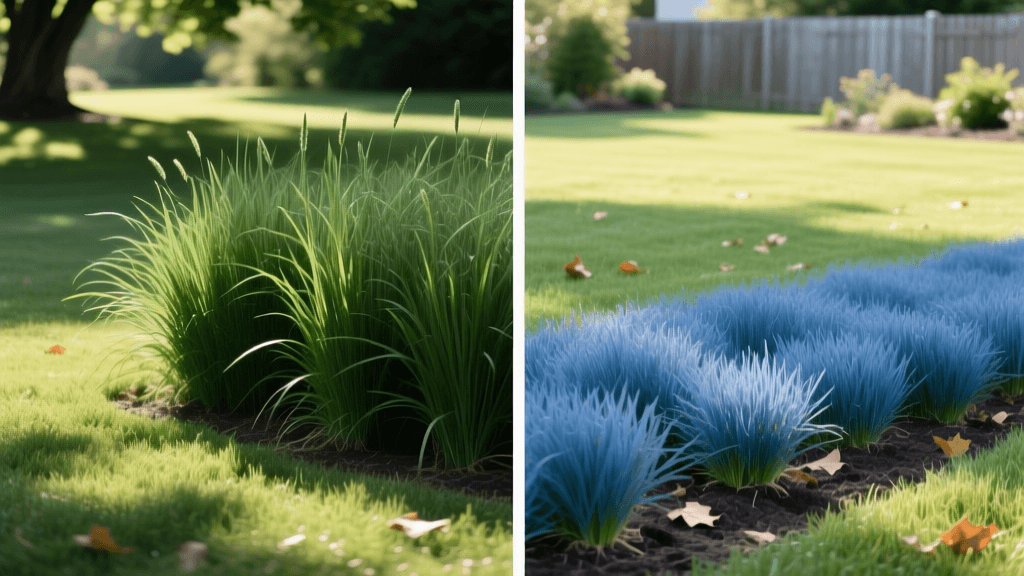
Tall Fescue vs Kentucky Bluegrass: Which Cool-Season Grass is Best?
Introduction to Cool-Season Grass Selection
Choosing the right turfgrass is the most critical decision you will make for your landscape. For homeowners in the northern and transition zones of the United States, the debate almost always narrows down to two heavyweight contenders: Tall Fescue and Kentucky Bluegrass. Both are exceptional cool-season grasses, but they possess vastly different growth habits, environmental tolerances, and maintenance requirements. Selecting the wrong species for your specific microclimate can lead to endless battles with disease, drought stress, and thinning turf. In this comprehensive guide, we will break down the agronomic profiles of Turf-Type Tall Fescue (TTTF) and Kentucky Bluegrass (KBG) to help you make an informed, data-driven decision for your lawn.
Understanding Tall Fescue (Festuca arundinacea)
Tall Fescue is a deep-rooted, bunch-type grass. Unlike grasses that spread via above-ground or below-ground runners, Tall Fescue grows in clumps. Modern breeding has developed 'Turf-Type' and 'Dwarf' Tall Fescues, which offer a much finer leaf blade and denser growth habit than the older, coarse forage varieties like K-31. According to the North Carolina State Extension, Tall Fescue is highly valued for its exceptional heat and drought tolerance, making it a staple in the transition zone where summers can be punishing.
Pros and Cons of Tall Fescue
- Pros: Outstanding drought and heat tolerance due to deep root systems (often reaching 2 to 3 feet). Excellent wear tolerance. Stays green longer during winter dormancy. Highly adaptable to a wide range of soil pH levels and heavy clay soils.
- Cons: Bunch-type growth means it cannot self-repair bare spots; damaged areas must be overseeded. Prone to Brown Patch disease in hot, humid, and poorly ventilated areas. Can develop a clumpy appearance if not mowed or overseeded regularly.
Understanding Kentucky Bluegrass (Poa pratensis)
Kentucky Bluegrass is the quintessential northern lawn grass, prized for its lush, dark green color and soft, fine-to-medium leaf texture. KBG is a rhizomatous grass, meaning it spreads aggressively via underground stems called rhizomes. This growth habit allows it to form a dense, carpet-like sod and aggressively fill in bare spots or recover from divots. The Penn State Extension notes that KBG's aggressive lateral spread makes it the premier choice for high-traffic recreational areas and pristine, manicured landscapes in cooler climates.
Pros and Cons of Kentucky Bluegrass
- Pros: Unmatched self-repairing capability due to rhizomes. Forms a dense, weed-choking sod. Beautiful, rich blue-green aesthetic. Excellent cold tolerance and winter hardiness.
- Cons: Shallow root system makes it highly susceptible to drought and heat stress. Requires significantly more nitrogen fertilizer than Tall Fescue. Struggles in heavy shade. Goes completely dormant and turns brown quickly during summer droughts unless irrigated heavily.
Head-to-Head Comparison Chart
When evaluating Tall Fescue vs. Kentucky Bluegrass, the numbers reveal distinct differences in establishment, maintenance, and environmental thresholds. The University of Minnesota Extension provides excellent baseline data for cool-season grass establishment, which we have expanded upon below.
| Characteristic | Turf-Type Tall Fescue | Kentucky Bluegrass |
|---|---|---|
| Growth Habit | Bunchgrass (clumping) | Rhizomatous (spreading) |
| Germination Time | 7 to 14 days | 14 to 30 days |
| Seeding Rate | 6 to 8 lbs per 1,000 sq ft | 2 to 3 lbs per 1,000 sq ft |
| Ideal Mowing Height | 2.5 to 4.0 inches | 2.0 to 3.0 inches |
| Annual Nitrogen Need | 2 to 4 lbs per 1,000 sq ft | 3 to 5 lbs per 1,000 sq ft |
| Drought Tolerance | Excellent | Poor to Fair |
| Shade Tolerance | Moderate to Good | Poor (except specific cultivars) |
| Average Seed Cost | $4.00 to $6.00 per lb | $8.00 to $12.00 per lb |
Site-Specific Selection Guide
To choose the right grass, you must honestly assess your lawn's microclimate. A grass species is only as good as the environment it is planted in.
Sunlight and Shade Tolerance
If your lawn receives fewer than six hours of direct sunlight per day, Tall Fescue is the superior choice. While no cool-season grass thrives in deep, dense shade, TTTF possesses a wider leaf blade that captures limited light more efficiently than KBG. Kentucky Bluegrass demands full sun (8+ hours daily) to maintain its density and fight off fungal pathogens. Planting KBG in shaded areas inevitably leads to thinning turf and invasions by shade-loving weeds or moss.
Soil Types and Drainage
Tall Fescue is remarkably forgiving of poor soils. It tolerates heavy, compacted clay, alkaline conditions, and even poorly drained areas better than almost any other cool-season species. Kentucky Bluegrass prefers well-drained, loamy soils with a slightly acidic pH (6.0 to 7.0). If you have heavy clay that stays wet in the spring and bakes hard in the summer, KBG will struggle to establish a healthy root zone without extensive soil amendment and core aeration.
Foot Traffic and Recovery
For homes with active dogs, children, or frequent backyard sports, the recovery rate of the turf is paramount. Here, Kentucky Bluegrass shines. When a soccer cleat tears out a chunk of KBG, the surrounding rhizomes will laterally spread to fill the void within a single growing season. Tall Fescue, being a bunchgrass, will leave a permanent bare spot until you physically overseed it. However, TTTF handles the *pressure* of foot traffic well due to its tough, ribbed leaf structure; it just cannot recover from physical tearing.
The Case for Seed Mixes: The 80/20 Rule
You do not necessarily have to choose just one. Professional turf managers frequently utilize seed mixes to capitalize on the strengths of both species while mitigating their weaknesses. A popular strategy for transition-zone lawns is a mix of 80% to 90% Turf-Type Tall Fescue and 10% to 20% Kentucky Bluegrass. In this scenario, the Tall Fescue provides the drought-resistant, disease-tolerant backbone of the lawn, while the minor KBG inclusion provides lateral spread to knit the sod together and fill in minor divots. When buying a mix, always check the seed tag for 'Pure Live Seed' (PLS) percentages and ensure the KBG component consists of modern, endophyte-enhanced cultivars rather than cheap forage fillers.
Establishment and Maintenance Costs
Budgeting for your lawn requires looking beyond the initial seed purchase. Because Tall Fescue requires a much heavier seeding rate (up to 8 lbs per 1,000 sq ft for new lawns) compared to KBG (2 to 3 lbs), the upfront seeding cost for TTTF can actually be higher despite the lower per-pound price. Furthermore, KBG requires 30% to 50% more nitrogen fertilizer annually to maintain its aggressive rhizome growth and deep color. Over a five-year period, a Kentucky Bluegrass lawn will incur higher water bills (due to shallow roots requiring frequent summer irrigation) and higher fertilizer costs. Tall Fescue is generally the more economical, low-input choice for the environmentally conscious and budget-minded homeowner.
Final Verdict
There is no universal 'best' grass, only the best grass for your specific yard. Choose Turf-Type Tall Fescue if you live in the transition zone, have heavy clay soil, deal with partial shade, or want a drought-tolerant lawn that requires less fertilizer and water. Choose Kentucky Bluegrass if you live in a northern climate with mild summers, have full sun exposure, desire a self-repairing carpet for heavy foot traffic, and do not mind the higher water and fertilizer inputs required to maintain its pristine aesthetic.