Lawn Care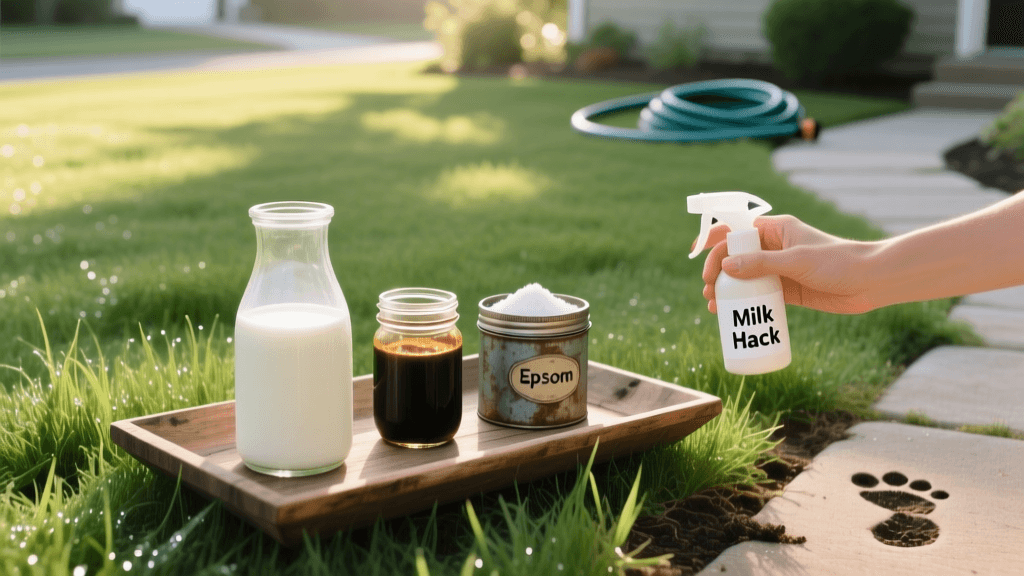
Testing Viral Lawn Hacks: Milk, Molasses and Epsom Salt
The Rise of LawnTok and Quick-Fix Culture
Social media platforms like TikTok, Instagram Reels, and YouTube Shorts have given rise to "LawnTok," a massive subculture dedicated to turf management and landscaping. With billions of collective views, content creators are constantly sharing "secret" household hacks promising emerald-green grass, instant thatch breakdown, and weed eradication without the use of expensive commercial products. While some of these viral trends are rooted in old agricultural practices, many are heavily oversimplified, misapplied, or completely misunderstood by the algorithms pushing them to your feed.
As a homeowner, it is crucial to separate peer-reviewed science from social media fiction before dumping pantry staples onto your carefully maintained turf. In this comprehensive guide, we are testing three of the most viral lawn care hacks—milk, blackstrap molasses, and Epsom salts. We will break down the science, the application rates, the costs, and the potential risks so you can decide what actually works for a greener yard and what you should skip entirely.
Hack 1: Milk Spray for Thatch and Fungus
The Viral Claim
Spraying diluted milk on your lawn will reduce thatch buildup, prevent fungal diseases like dollar spot, and provide a massive calcium and protein boost to the soil microbiome.
The Science and Reality
The science behind this hack originates from dairy farming and organic gardening, where milk has historically been used as a mild, organic fungicide to combat powdery mildew on broadleaf crops like zucchini and grapes. Milk contains proteins, calcium, and beneficial lactic acid bacteria that can theoretically feed soil microbes and alter the pH on the leaf blade, making it harder for certain fungal spores to germinate.
However, applying raw milk to a dense turfgrass ecosystem comes with significant, smelly drawbacks. When milk spoils in the hot summer sun, anaerobic bacteria take over, producing a foul, sour odor that can linger for weeks and make your backyard unusable. Furthermore, the sugars and fats in whole milk can attract unwanted wildlife, including raccoons, skunks, neighborhood dogs, and flies.
Actionable Advice
If you are determined to try this viral hack, do not use whole milk. Instead, opt for cheap skim milk and dilute it at a strict 1:1 ratio with water. Apply no more than one gallon of the diluted mixture per 1,000 square feet using a pump sprayer. Only apply in the early morning during the cooler shoulder seasons of spring or fall to allow it to dry quickly. Ultimately, while milk can introduce some beneficial microbes, you are much better off using a professionally brewed compost tea or a liquid kelp extract, which provides the same microbial benefits without the risk of neighborhood-wide odors.
Hack 2: Blackstrap Molasses for Microbial Boosting
The Viral Claim
Dousing the lawn in blackstrap molasses acts as an immediate food source for beneficial soil bacteria, which in turn break down organic matter, eliminate thatch, and make locked-up nutrients available to grass roots.
The Science and Reality
Unlike the milk hack, this trend actually has a solid foundation in organic agriculture. According to guidelines from the USDA Organic Agriculture program and various soil science institutions, feeding the soil food web with simple carbohydrates can temporarily spike microbial activity. Blackstrap molasses is particularly prized by organic farmers because, unlike refined white sugars, it retains trace minerals like iron, calcium, magnesium, and potassium.
When soil microbes consume the sugars in molasses, their populations explode. These microbes then excrete enzymes that break down dead organic matter (thatch) and release humic substances that improve soil structure and water retention.
Actionable Advice
To use molasses effectively, mix three ounces of liquid, unsulfured blackstrap molasses per 1,000 square feet into a gallon of warm water to ensure it dissolves completely before transferring it to your sprayer. A gallon of agricultural-grade blackstrap molasses costs around $15 and will cover over 40,000 square feet, making it an incredibly cost-effective soil amendment. Caution: Applying too much sugar to the surface can attract ants, wasps, and other pests. It is best used as a supplementary treatment in the early fall when the soil is still warm but the air is cooling, helping microbes break down autumn leaves and prepare the soil for winter dormancy.
Hack 3: Epsom Salts for Emerald Green Grass
The Viral Claim
Applying Epsom salts to your lawn will result in a deep, emerald-green color, deter pests, and promote lush, thick growth without the need for synthetic nitrogen fertilizers.
The Science and Reality
Epsom salt is chemically known as magnesium sulfate. Because the central atom of a chlorophyll molecule is magnesium, social media "experts" deduce that adding more magnesium will automatically result in greener grass. While this sounds logical on the surface, it ignores the fundamental principles of soil chemistry and cation exchange capacity.
Epsom salts will only green up your lawn if your soil is actively deficient in magnesium. If your soil already has adequate magnesium levels, adding Epsom salts will not force the grass to absorb more. In fact, excessive magnesium can compete with calcium and potassium for uptake in the root zone, leading to nutrient lockout, weakened cell walls, and turf that is highly susceptible to disease. Furthermore, the sulfate component can contribute to soil salinity over time, which damages grass roots and reduces drought tolerance. For a deeper understanding of proper nutrient balancing, the Penn State Extension strongly recommends soil testing before applying targeted micronutrients.
Actionable Advice
Before spending money on Epsom salts, you must conduct a comprehensive soil test through your local university extension office. If your test results indicate magnesium levels below 10 parts per million (ppm), you can apply three pounds of Epsom salt per 1,000 square feet, watered in deeply. Otherwise, skip the Epsom salt and focus on a balanced, slow-release nitrogen fertilizer.
Viral Hack Comparison Chart
| Viral Hack | Primary Ingredient | Scientific Benefit | Potential Drawback | Final Verdict |
|---|---|---|---|---|
| Milk Spray | Calcium, Proteins, Lactic Acid | Mild fungicide, feeds some microbes | Foul odors, attracts pests/wildlife | Skip (Use Compost Tea instead) |
| Blackstrap Molasses | Simple Sugars, Iron, Potassium | Boosts soil biology, breaks down thatch | Can attract ants/wasps if over-applied | Try in Fall (Great for soil health) |
| Epsom Salt | Magnesium Sulfate | Greens up Mg-deficient turf | Salt toxicity, nutrient lockout, runoff | Soil Test First (Mostly unnecessary) |
The Science-Based Alternative to Viral Hacks
While experimenting with pantry staples can be fun, relying on them as your primary lawn care strategy will leave your turf vulnerable to weeds, drought, and disease. The most effective, scientifically backed lawn care routines rely on proven agronomic principles rather than viral trends.
1. Start with a Soil Test
Never guess what your lawn needs. A $15-$20 soil test from a reputable lab will tell you exactly what your pH, phosphorus, potassium, and micronutrient levels are. As outlined by the NC State University Turfgrass Program, applying nutrients that your soil already has in abundance is not only a waste of money but can also lead to environmental runoff that harms local waterways.
2. Focus on Core Aeration and Overseeding
No amount of milk or molasses will fix a compacted lawn. If water pools on your grass after a rainstorm, your soil is compacted. Renting a core aerator in the early fall to pull 3-inch plugs of soil from the ground, followed immediately by overseeding with a premium turf-type tall fescue or Kentucky bluegrass blend, will do more for your lawn's thickness and health than any viral hack.
3. Use High-Quality Organic Amendments
If you love the idea of feeding your soil biology (the premise behind the molasses hack), invest in liquid humic acid and sea kelp extract. These products are scientifically formulated to chelate nutrients, improve root mass, and buffer soil pH without the sticky mess or pest-attracting sugars of raw molasses. Apply them at the manufacturer's recommended rates every 4-6 weeks during the active growing season.
Conclusion
The internet will always be full of quick-fix solutions and miraculous household hacks. While blackstrap molasses has a legitimate place in an organic soil-building regimen, milk and Epsom salts are largely misunderstood and misapplied by social media influencers. By combining the best of organic soil biology with rigorous, science-based soil testing and proper N-P-K fertilization, you can achieve the thick, emerald-green lawn of your dreams—no viral trends required.