Pest Control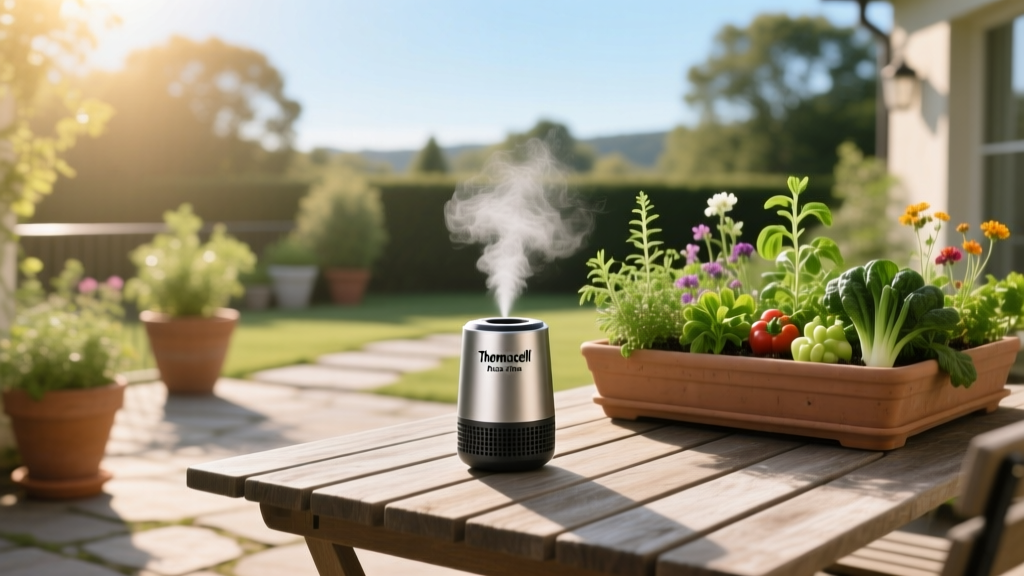
Thermacell Radius Mosquito Control: 2026 Container Garden Guide
Sarah ChenPublished
The Unique Mosquito Challenges of Container Gardens in 2026
As we move through the 2026 growing season, container and pot gardening continues to dominate urban and suburban landscaping. Whether you are cultivating a high-rise balcony oasis, a dense patio jungle, or a modest collection of potted culinary herbs, containers offer unparalleled flexibility. However, they also introduce a highly specific pest control challenge: the container-breeding mosquito. Unlike rural mosquitoes that rely on sprawling swamps or flooded ditches, species like Aedes aegypti and Aedes albopictus (the Asian tiger mosquito) are aggressive urban adapters. According to the Centers for Disease Control and Prevention (CDC), these species require only a few millimeters of standing water to complete their breeding cycle—making the humble plant saucer a prime target.
For the dedicated container gardener, this presents a frustrating paradox. The very act of keeping your potted plants hydrated creates the perfect micro-habitat for biting insects. Tending to your tomatoes, pruning your prized Monstera, or harvesting basil becomes an itchy ordeal if you do not have a targeted, plant-safe repellency strategy. This is where the Thermacell Radius Zone Repeller proves to be an indispensable tool for the modern patio gardener.
Why Traditional Sprays Fail Potted Plants
Before diving into spatial repellents, it is crucial to understand why traditional mosquito control methods often fall short in a container garden setting. Aerosol sprays, foggers, and heavy DEET-based lotions are designed for broad-spectrum application or human skin. When you spray synthetic contact pesticides or oil-based repellents near your potted plants, you risk coating the foliage in a chemical residue. This residue can clog the stomata (the microscopic pores plants use to breathe), effectively suffocating delicate species like ferns, caladiums, and orchids.
Furthermore, if you are growing an edible container garden—such as patio peppers, strawberries, or leafy greens—you must be acutely aware of harvest intervals. The Environmental Protection Agency (EPA) strictly regulates the application of synthetic pesticides near edible crops, and most yard sprays are entirely unsafe to use around food-producing pots. The Thermacell Radius bypasses these issues entirely by utilizing a localized, heat-activated vapor that repels mosquitoes without leaving any oily residue on your prized botanical specimens.
Top 5 Mosquito Hotspots in Container Gardens
To effectively deploy the Thermacell Radius, you must first understand where the enemy is hiding and breeding. Conduct a weekly audit of your patio or balcony, paying special attention to these five common hotspots:
- Overflow Saucers: The most obvious culprit. Even a quarter-inch of water left in a terracotta saucer after a deep watering is enough for hundreds of mosquito eggs.
- Self-Watering Reservoirs: Highly popular in 2026 for water conservation, the bottom reservoirs of self-watering pots can become hidden breeding grounds if the fill-tube is left uncovered.
- Bromeliads and Pitcher Plants: These ornamental container staples naturally hold water in their central cups or modified leaves, creating built-in mosquito nurseries.
- Dense Foliage Canopies: Potted hostas and dense ornamental grasses trap humidity and block sunlight, creating cool, damp resting zones for adult mosquitoes during the heat of the day.
- Stacked or Stored Pots: Empty pots left outdoors can easily catch rainwater. Always store unused containers upside down or indoors.
How the Thermacell Radius Zone Repeller Works
The Thermacell Radius operates on a fundamentally different principle than contact sprays. It utilizes a rechargeable, battery-powered heating element to warm a liquid cartridge containing metofluthrin, a highly effective synthetic pyrethroid spatial repellent. As the cartridge heats up, it releases an odorless, invisible vapor that creates a protective dome spanning up to 20 feet in diameter (when using the 40-hour refill cartridges).
For the container gardener, this dome of protection is revolutionary. Because the active ingredient is dispersed as a lightweight vapor rather than a heavy aerosol, it drifts gently through the patio space, penetrating the gaps between your potted plants to flush out resting mosquitoes. It does not alter the pH of your soil, it does not harm beneficial pollinators like bees (which are largely unbothered by metofluthrin in spatial applications), and it leaves your plant leaves perfectly clean and capable of photosynthesis.
Strategic Placement Among Your Pots
Placement is the single most critical factor in maximizing the efficacy of the Radius in a container garden. Because the device relies on a thermal updraft to push the repellent vapor outward and upward, you must avoid placing it directly beneath the dense canopy of a hanging basket or the broad leaves of a potted banana plant. Doing so will trap the vapor and prevent the protective dome from forming.
Ideally, place the Radius on a central patio table, a waist-high plant stand, or a dedicated pedestal. Position it slightly upwind of your primary gardening or seating area. If you are actively repotting or pruning on one side of the patio, move the device to sit between you and the densest cluster of foliage, effectively creating a buffer zone that pushes mosquitoes back into the yard.
Comparison Chart: Mosquito Control for Patio Gardens
How does the Thermacell Radius stack up against other common mosquito control methods used by container gardeners in 2026? Review the data table below to understand why spatial repellents are the superior choice for plant-heavy environments.
| Control Method | Plant Safety | Coverage Area | 2026 Est. Cost | Effectiveness in Dense Pots |
|---|---|---|---|---|
| Thermacell Radius (Metofluthrin) | Excellent (No residue) | 15 to 20 ft. dome | $60 (Device) + $25 (40hr Refill) | High (Vapor penetrates foliage) |
| Permethrin Spray (0.5%) | Poor (Toxic to some plants) | Treated surfaces only | $12 per can | Low (Requires direct contact) |
| DEET Aerosol | Fair (Oily residue) | Personal space | $8 per can | Low (Does not treat the area) |
| Citronella Candles | Good (Soot risk) | 3 to 5 ft. radius | $15 per candle | Very Low (Easily defeated by wind) |
| BTI Dunks (Mosquito Bits) | Excellent (Biological) | Water sources only | $10 per bag | N/A (Kills larvae, not adults) |
Integrating IPM: Saucers, Soil, and the Radius
The most successful container gardeners utilize Integrated Pest Management (IPM), a strategy that combines biological, cultural, and chemical tools to minimize economic and environmental risks. The Thermacell Radius is your ultimate chemical barrier against adult mosquitoes, but it must be paired with cultural practices to stop the breeding cycle.
First, eliminate standing water. If you use saucers, empty them 30 minutes after watering. If you have large, immovable planters that collect water in their base, introduce Bacillus thuringiensis israelensis (BTI), commonly sold as Mosquito Bits or Dunks. BTI is a naturally occurring bacterium that targets mosquito larvae exclusively, leaving your plants, pets, and soil microbiome completely unharmed. By using BTI in your self-watering reservoirs and saucers, you stop the next generation of pests from hatching. Simultaneously, you run your Thermacell Radius while you are actively tending to the garden, ensuring that any adult mosquitoes migrating from neighboring yards are repelled before they can bite.
2026 Maintenance and Refill Economics
One of the most common questions from patio gardeners is the operational cost of running a spatial repeller throughout the peak summer months. The Thermacell Radius is powered by an internal lithium-ion battery that charges via USB-C, meaning you can easily top it up using the same charger you use for your smartphone or wireless gardening tools. A full charge provides approximately 6.5 hours of continuous run time, which is more than enough for a long afternoon of pruning, watering, and harvesting.
The repellent cartridges come in 12-hour and 40-hour variants. For the avid container gardener who spends daily hours on the patio, the 40-hour refill cartridges (priced around $25 in 2026) offer the best value. The device features a convenient visual fuel gauge on the cartridge, so you are never caught off guard by an empty tank mid-garden session. Additionally, the Radius includes an auto-shutoff timer, a brilliant feature for gardeners who might get distracted by a complex repotting project and forget to turn the device off, thereby saving precious repellent liquid.
Wind and Airflow Dynamics on Balconies
If your container garden is situated on a high-rise balcony or a rooftop terrace, wind shear is your primary adversary. The Thermacell Radius relies on a delicate thermal updraft to build its protective dome. In high-wind environments (sustained winds over 10 mph), the vapor dome can be stretched or dispersed too quickly to maintain efficacy. To counter this, position the Radius in the lee of a large, sturdy planter—such as a heavy half-barrel or a large terracotta pot housing a dwarf citrus tree. Using the physical mass of your larger containers as a windbreak will help stabilize the air immediately surrounding the device, allowing the metofluthrin vapor to pool and protect your immediate workspace.
Final Thoughts for the 2026 Growing Season
Container gardening should be a therapeutic escape, not a battleground against biting insects. By understanding the unique micro-climates created by your potted plants and implementing a smart, two-pronged IPM approach, you can reclaim your patio. Use BTI to conquer the larvae in your saucers and reservoirs, and deploy the Thermacell Radius Zone Repeller to create an invisible, plant-safe shield against adult mosquitoes. With this strategy in place, your 2026 container garden will remain a lush, bite-free sanctuary from the first spring thaw to the final autumn harvest.