Pest Control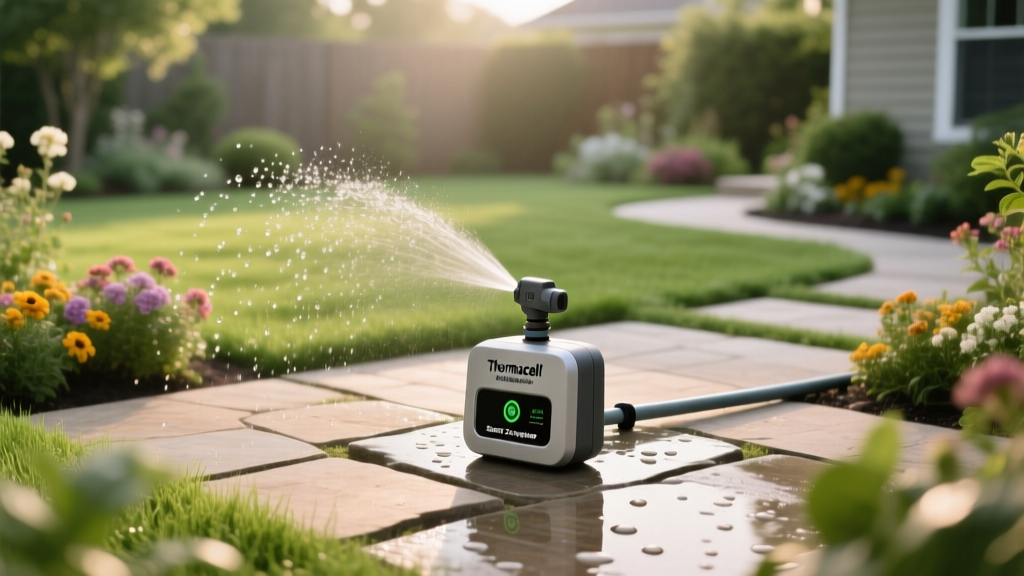
Thermacell Radius & Smart Irrigation Mosquito Guide 2026
David ParkPublished
The Hidden Link Between Your Sprinkler System and Mosquitoes
As we navigate the 2026 outdoor season, homeowners are increasingly looking for holistic ways to maintain lush lawns without turning their backyards into mosquito breeding grounds. The intersection of landscape irrigation and pest control is a critical area of integrated pest management (IPM) that is often overlooked. While your sprinkler system is essential for maintaining vibrant turf and healthy garden beds, improper watering schedules, misaligned sprinkler heads, and poor drainage can inadvertently create the exact environment mosquitoes need to thrive. Mosquitoes require stagnant or slow-moving water to lay their eggs, and even a small puddle caused by an overwatering sprinkler zone can produce hundreds of biting insects in a matter of days. According to the Centers for Disease Control and Prevention (CDC), source reduction—eliminating standing water where mosquitoes breed—is the most effective long-term strategy for mosquito control. However, because we cannot simply stop watering our lawns, we must pair intelligent irrigation practices with advanced spatial repellents like the Thermacell Radius Zone Repeller to create a comprehensive, multi-layered defense system.
Optimizing Smart Irrigation for Pest Prevention
The first line of defense against mosquitoes in an irrigated landscape is upgrading and fine-tuning your sprinkler system. In 2026, smart irrigation controllers have become more sophisticated, utilizing hyper-local weather data, soil moisture sensors, and evapotranspiration (ET) rates to deliver the exact amount of water your lawn needs, precisely when it needs it. By eliminating overwatering, you drastically reduce the surface moisture that attracts pests.
1. Implement the Cycle and Soak Method
Clay-heavy soils and compacted lawns often suffer from poor water infiltration. If your sprinklers run for 20 minutes straight, the soil may reach saturation after 10 minutes, leaving the remaining water to pool on the surface. This surface pooling is a prime mosquito nursery. By programming your smart controller to use the 'Cycle and Soak' method, you divide the watering time into shorter intervals with rest periods in between. For example, instead of one 15-minute run, program three 5-minute runs spaced an hour apart. This allows water to penetrate deeply into the root zone, leaving the surface dry and inhospitable to mosquito larvae.
2. Audit and Adjust Sprinkler Head Alignment
Routine irrigation audits are vital. Walk your property while the system is running and look for overspray onto hardscapes, patios, and shaded garden beds. Water that lands on impermeable surfaces like concrete or stone will pool in low spots and depressions. Adjust your sprinkler nozzles to ensure water is only hitting permeable soil and turf. Furthermore, replace any leaking valve diaphragms that cause 'low-head drainage,' a phenomenon where water slowly seeps out of the lowest sprinkler head in a zone long after the system has shut off, creating a constant, slow-drip breeding site.
3. Transition Garden Beds to Drip Irrigation
Shaded garden beds and shrub borders are naturally cooler and more humid, making them attractive resting spots for adult mosquitoes. Watering these areas with traditional overhead spray sprinklers keeps the foliage and soil surface constantly damp. Converting these zones to subsurface drip irrigation or targeted micro-emitters delivers water directly to the root zone while keeping the surface soil and leaf litter completely dry. The EPA WaterSense program highly recommends drip irrigation for non-turf areas, noting it can reduce water usage by up to 50% while simultaneously mitigating the damp conditions that harbor pests and fungal diseases.
The Thermacell Radius Zone Repeller: Your Patio's Final Defense
Even with a perfectly optimized irrigation system, adult mosquitoes will still migrate into your yard from neighboring properties, wooded areas, or municipal drainage zones. This is where the Thermacell Radius Zone Repeller becomes an indispensable tool for your outdoor living spaces. Unlike topical bug sprays that require constant reapplication and leave a sticky residue, or citronella candles that are easily blown out by the wind, the Radius utilizes a heat-activated, EPA-approved synthetic active ingredient to create a 20-foot dome of protection.
How the Radius Works in 2026
The Thermacell Radius operates by heating a reservoir containing a spatial repellent mat or liquid cartridge. As the device warms, it releases the active ingredient into the air, effectively masking the carbon dioxide and lactic acid emissions that attract mosquitoes to humans. The 2026 iterations of the Radius feature enhanced Bluetooth connectivity, allowing you to control the device, monitor repellent levels, and set automatic shut-off timers directly from your smartphone. A single 40-hour refill cartridge typically costs around $25 to $30, making it a cost-effective solution for daily patio use compared to professional yard barrier sprays, which can cost upwards of $150 per monthly application.
Crucial Placement Rules for Irrigated Yards
Because the Thermacell Radius is an electronic device with a heating element, it must be protected from your sprinkler system. Water exposure will permanently damage the unit and pose a safety hazard. When integrating the Radius into your outdoor space, adhere to these placement guidelines:
- Elevate and Shield: Always place the Radius on a patio table or elevated surface at least three feet off the ground. This not only optimizes the dispersal of the repellent vapor but also keeps it out of the splash zone of ground-level sprinkler heads.
- Map Your Overspray: Before hosting an evening gathering, run your sprinkler system manually to identify any rogue spray patterns that might reach your patio furniture. Adjust the arc and radius of your rotor nozzles to ensure a dry perimeter around your seating area.
- Wind and Airflow: Spatial repellents rely on gentle air currents to distribute the protective zone. If your yard features large irrigation pump fans or high-velocity landscape blowers, ensure the Radius is placed upwind of your seating area so the repellent vapor blows toward you, not away.
Comparative Analysis: Irrigation Management vs. Spatial Repellents
To build a truly effective IPM strategy, it is important to understand how different tools target different stages of the mosquito life cycle. Below is a comparison of common mosquito control methods used in irrigated landscapes.
| Control Method | Target Life Stage | Primary Function | Estimated 2026 Cost |
|---|---|---|---|
| Smart Irrigation Scheduling | Larvae / Eggs | Source reduction by eliminating surface pooling and overwatering. | $150 - $250 (Smart Controller) |
| Drip Irrigation Conversion | Larvae / Adults | Keeps soil surface and leaf litter dry in shaded garden beds. | $0.50 - $1.50 per sq. ft. |
| Thermacell Radius Repeller | Adults | Creates a 20-foot chemical-free odorless barrier for human comfort. | $80 (Device) + $25 (Refills) |
| Bti Dunks (Larvicide) | Larvae | Biological control for unavoidable standing water (e.g., rain barrels). | $10 - $15 per pack |
| Professional Barrier Sprays | Adults | Residual synthetic or botanical insecticide applied to foliage. | $120 - $180 per application |
Your 2026 Integrated Action Plan
To achieve a mosquito-free yard without sacrificing the health of your lawn, follow this integrated action plan this season. First, audit your sprinkler system in early spring. Replace any broken nozzles, fix leaking valves, and program your smart controller with cycle-and-soak schedules tailored to your local soil type. Second, convert your heavily shaded shrub beds to drip irrigation to eliminate the damp microclimates that adult mosquitoes use for daytime resting. Finally, deploy the Thermacell Radius Zone Repeller on your patio and deck areas approximately 15 minutes before you plan to spend time outdoors. By combining the EPA-recognized efficacy of spatial repellents with precision water management, you address both the root cause of the infestation and the immediate nuisance of biting adults.
Conclusion
Effective pest control in the modern landscape requires looking beyond simple chemical applications and understanding the environmental factors that invite pests into our yards. Your sprinkler system is a powerful tool, but if left unmanaged, it can become a liability. By embracing smart irrigation technology to keep your soil perfectly hydrated but surface-dry, and utilizing advanced, app-enabled spatial repellents like the Thermacell Radius for your immediate living zones, you can reclaim your outdoor spaces. This 2026 season, take control of your water, control your environment, and enjoy a yard that is as comfortable as it is beautiful.