Home & Garden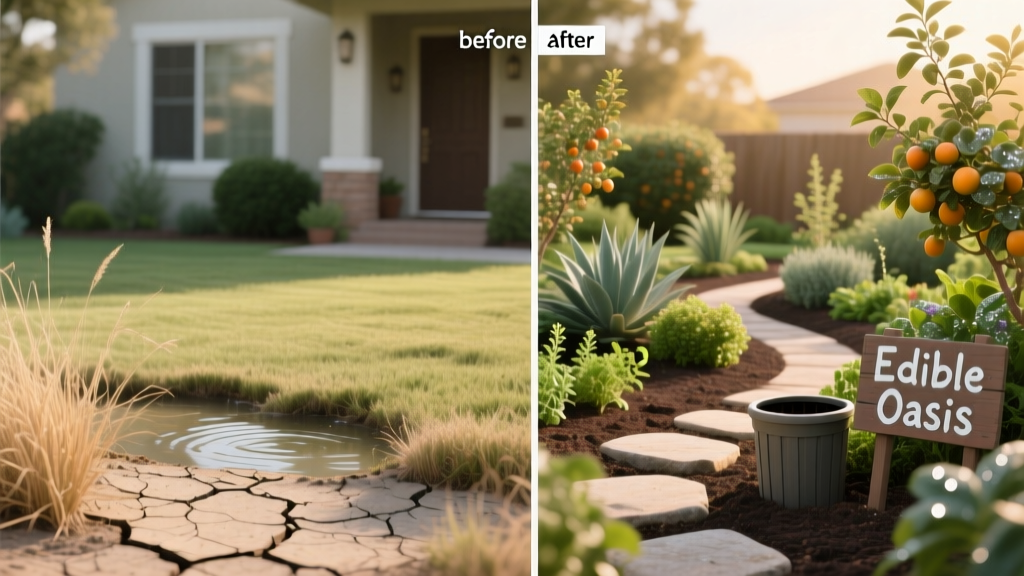
Before and After: Lawn to Drought-Tolerant Edible Oasis
James MillerPublished
The Great American Lawn Rethink
For decades, the sprawling, emerald-green turfgrass lawn has been the default standard for American landscaping. However, as water scarcity becomes a pressing issue and homeowners seek more functional outdoor spaces, the traditional lawn is being reimagined. According to the U.S. Environmental Protection Agency (EPA), nearly one-third of all residential water use is dedicated to landscaping, with traditional turfgrass being one of the most resource-intensive culprits.
In this comprehensive before-and-after case study, we document the complete transformation of a 500-square-foot, water-wasting Kentucky Bluegrass front yard into a vibrant, drought-tolerant edible oasis. By blending xeriscaping principles with garden-to-table functionality and smart home technology, this project not only elevated the home's curb appeal but also drastically reduced its environmental footprint and utility bills.
The 'Before' State: A Thirsty, High-Maintenance Burden
The project site was a typical suburban front yard: 500 square feet of patchy Kentucky Bluegrass situated in full sun. The soil beneath the turf was heavily compacted clay, leading to poor drainage and massive water runoff during irrigation cycles.
- Water Usage: The homeowner was running traditional pop-up spray heads for 45 minutes, three times a week during peak summer, resulting in an estimated 1,500 gallons of water used per month just on this small patch of grass.
- Maintenance: Weekly mowing, seasonal aeration, chemical fertilization, and constant battle against broadleaf weeds.
- Aesthetics: Despite the heavy water and chemical inputs, the lawn turned brown by August due to heat stress and shallow root systems.
The homeowners wanted a space that reflected their commitment to sustainability, provided fresh organic produce, and required a fraction of the weekend maintenance.
The Vision: Hydrozoning and Garden-to-Table Integration
The design phase focused on 'hydrozoning'—grouping plants with similar water needs together to maximize irrigation efficiency. The front yard was divided into three distinct zones:
- The Hardscape Zone: A winding pathway of decomposed granite (DG) to eliminate water use in high-traffic areas and improve permeability.
- The Edible Zone: Two raised cedar beds positioned for maximum southern sun exposure, dedicated to high-yield, seasonal vegetables and herbs.
- The Native Oasis Zone: Borders filled with drought-tolerant, pollinator-friendly native perennials that thrive on minimal rainfall once established.
Step-by-Step Transformation Guide
Phase 1: Chemical-Free Lawn Removal (Sheet Mulching)
Rather than using chemical herbicides or renting a gas-powered sod cutter, we opted for sheet mulching. This method suppresses the grass while simultaneously building the soil microbiome beneath. We mowed the existing grass as short as possible, laid down overlapping layers of plain, uncoated corrugated cardboard, and soaked it thoroughly with a garden hose. Finally, we topped the cardboard with three inches of arborist wood chips. Over the next eight weeks, the grass died and began to compost, turning the compacted clay into a workable, nutrient-rich base.
Phase 2: Hardscaping with Decomposed Granite
To create the pathways, we excavated the designated walkways to a depth of four inches. After laying down a heavy-duty, permeable landscape fabric to prevent weed growth, we installed steel landscape edging to keep the materials contained. We then filled the paths with three inches of stabilized decomposed granite (DG). When compacted with a plate compactor, the DG creates a firm, natural-looking surface that allows rainwater to percolate into the ground rather than running off into the storm drain.
Phase 3: Upgrading to Smart Drip Irrigation
Traditional spray heads lose massive amounts of water to wind drift and evaporation. We capped the old spray lines and converted the entire system to subsurface drip irrigation using Netafim Techline CV tubing. For the raised beds, we used inline drip grids to ensure even moisture distribution for the vegetables.
The brain of the new system is a Rachio 3 Smart Sprinkler Controller. As highlighted by the EPA WaterSense program, smart irrigation controllers that utilize local weather data can save the average home nearly 7,600 gallons of water annually. The Rachio automatically skips watering when rain is in the forecast and adjusts run times based on seasonal evapotranspiration rates.
Phase 4: Constructing Cedar Raised Beds
To bypass the remaining heavy clay soil and ensure optimal drainage for edibles, we built two 4x8-foot raised beds using untreated, naturally rot-resistant Western Red Cedar 2x12s. The beds were filled with a premium raised bed soil mix consisting of 40% topsoil, 40% compost, and 20% pumice for aeration. This provided the perfect loamy environment for deep-rooting tomatoes and peppers.
The Financials: Cost Breakdown and ROI
Transforming a landscape requires an upfront investment, but the long-term savings in water, chemicals, and lawn care services yield a rapid return on investment. Below is the detailed cost breakdown for this 500-square-foot transformation.
| Project Component | Materials Used | Estimated Cost |
|---|---|---|
| Lawn Removal | Corrugated cardboard, arborist wood chips (free from local arborist) | $45 |
| Hardscaping | Steel edging, landscape fabric, 2 tons of stabilized DG | $310 |
| Smart Irrigation | Rachio 3 Controller, Netafim drip tubing, fittings, valves | $385 |
| Raised Beds & Soil | Cedar lumber, hardware, 2.5 cubic yards of premium soil mix | $420 |
| Plants & Trees | Native shrubs (Salvia, Yarrow), vegetable starts, seeds | $180 |
| Total Investment | $1,340 |
Expert Insight: Strategic landscaping isn't just about water conservation. According to the U.S. Department of Energy, planting deciduous shade trees and shrubs near the home can reduce summer air conditioning costs by 15% to 50%, making energy-efficient landscaping a dual-threat for utility savings.
The 'After' State: 12 Months Later
One year post-transformation, the front yard is unrecognizable from its thirsty, high-maintenance past. The decomposed granite pathway winds elegantly through a lush border of California native Salvias and Yarrow, which buzz with native bees and monarch butterflies. Because these natives are adapted to the local climate, they require zero supplemental watering during the winter and only a deep soak twice a month during the peak of summer.
The true showstoppers, however, are the cedar raised beds. In the first growing season alone, the garden-to-table oasis produced over 60 pounds of heirloom tomatoes, endless bundles of basil, and a continuous harvest of bell peppers. The smart drip irrigation system ensured that the vegetables received consistent moisture directly at the root zone, eliminating the fungal issues often caused by overhead watering on traditional gardens.
Measurable Results
- Water Savings: Summer irrigation water usage for the front yard dropped by 78%, reducing the monthly summer water bill from $45 to under $10.
- Time Savings: Weekend maintenance shifted from two hours of mowing and edging to just 20 minutes of pruning and harvesting.
- Curb Appeal: The home's exterior aesthetic shifted from 'generic suburban' to 'modern eco-chic,' drawing compliments from neighbors and significantly boosting the property's perceived value.
Final Thoughts on Landscape Transformation
The transition from a traditional turfgrass lawn to a drought-tolerant, edible landscape is one of the most impactful home improvement projects a homeowner can undertake. It bridges the gap between indoor sustainability and outdoor living, turning a passive, resource-draining space into an active, productive ecosystem. Whether you are looking to lower your utility bills, grow your own organic food, or simply reclaim your weekends from the lawnmower, the before-and-after results of xeriscaping and smart irrigation speak for themselves. Start small, plan your hydrozones, and watch your outdoor space thrive.
