Home & Garden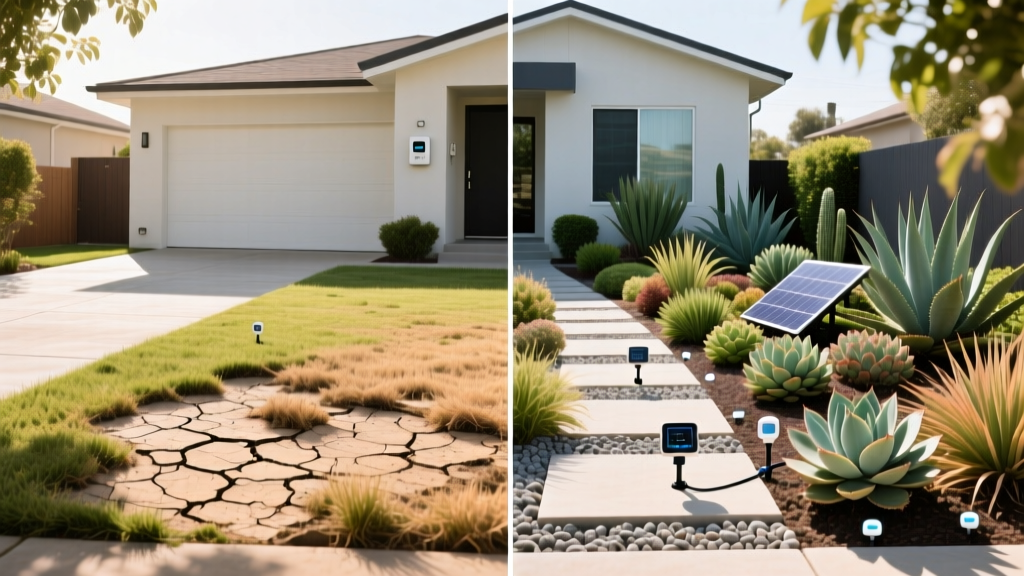
Before and After: Thirsty Lawn to Smart Xeriscape Oasis
Robert HayesPublished
The 'Before' State: A Thirsty, High-Maintenance Burden
For decades, the quintessential American dream has included a sprawling, emerald-green front lawn. However, the reality of maintaining that pristine turf is often a nightmare of high water bills, endless weeding, and chemical fertilizers. Our project focuses on an 800-square-foot front yard in a suburban climate that experiences hot, dry summers. The 'before' state was a struggling patchwork of Kentucky Bluegrass and invasive weeds. Despite running the sprinklers three times a week and applying synthetic fertilizers every spring, the grass remained patchy, brown at the edges, and prone to fungal diseases.
The financial and environmental toll was staggering. According to the Environmental Protection Agency (EPA), the average American family uses 320 gallons of water per day, with nearly 30 percent devoted to outdoor uses. In our case, the traditional lawn was consuming over 4,000 gallons of water a month during peak summer, driving the monthly water bill up by nearly $85. Furthermore, the outdated timer-based sprinkler system was watering the driveway and sidewalk just as much as the grass, a common inefficiency in older homes.
Planning the 'After': Designing a Smart Xeriscape
The goal for the 'after' state was clear: eliminate the thirsty turf, reduce water consumption by at least 60 percent, and create a visually striking, low-maintenance landscape that bridges the gap between ecological responsibility and modern curb appeal. We decided on a smart xeriscape design. Xeriscaping is not just about barren desert rock gardens; it is a strategic approach to landscaping that reduces or eliminates the need for supplemental water from irrigation. As noted by Colorado State University Extension, proper xeriscaping can reduce landscape water use by 60 percent or more while providing vibrant, year-round color through native and drought-adapted plants.
Our design incorporated three main zones: a permeable hardscape patio area for outdoor seating, a dense planting bed featuring pollinator-friendly native perennials, and a smart irrigation system tailored specifically to the water needs of the new plant palette.
Step-by-Step Transformation Guide
Phase 1: Eco-Friendly Lawn Removal (Sheet Mulching)
Ripping up sod with a gas-powered tiller is labor-intensive and destroys the soil microbiome. Instead, we opted for sheet mulching, an eco-friendly method that kills the grass while enriching the soil beneath. We started by mowing the existing lawn as short as possible. Next, we laid down overlapping layers of plain, uncoated corrugated cardboard directly over the grass, ensuring no gaps where sunlight could penetrate. We thoroughly soaked the cardboard with a garden hose to accelerate decomposition and suppress weed growth. Finally, we topped the cardboard with two inches of organic compost and three inches of coarse arborist wood chip mulch. This process took one weekend, and we allowed it to sit for four weeks to effectively smother the turf.
Phase 2: Hardscaping and Soil Preparation
To create an inviting outdoor living space that bridges the indoor and outdoor environments, we designed a 150-square-foot seating area using permeable pavers. Permeable hardscaping allows rainwater to percolate back into the groundwater table rather than running off into storm drains. We excavated six inches of soil, laid a base of compacted crushed gravel for drainage, and set the pavers with a jointing sand that allows water to pass through. For the remaining 650 square feet of planting beds, we amended the native clay-heavy soil with a topsoil and pumice mix to ensure the sharp drainage required by drought-tolerant plants.
Phase 3: Installing Smart Irrigation
Even drought-tolerant plants need water to establish their root systems during their first year, and strategic irrigation ensures long-term vitality. We ripped out the old spray-head sprinklers and installed a drip irrigation system, which delivers water directly to the root zone, minimizing evaporation. The centerpiece of this upgrade was the Rachio 3 Smart Sprinkler Controller. By upgrading to a WaterSense labeled smart controller, as recommended by the EPA WaterSense program, the average home can save nearly 15,000 gallons of water annually. The Rachio 3 connects to local weather stations via Wi-Fi, automatically skipping watering schedules when rain is in the forecast and adjusting run times based on seasonal evapotranspiration rates.
Phase 4: Planting the Drought-Tolerant Palette
We selected a vibrant, low-water plant palette designed to thrive in our specific hardiness zone while attracting local pollinators. The backbone of the garden included structural shrubs like Dwarf Coyote Brush and Blue Mist Spirea. For seasonal color, we planted drifts of Agastache 'Kudos' (hummingbird mint), Salvia 'May Night', and Sedum 'Autumn Joy'. These plants require deep, infrequent watering once established, encouraging roots to grow deep into the soil where moisture is retained longer. We grouped plants with similar water needs together—a core principle of xeriscaping known as hydrozoning—to ensure the smart drip system could be calibrated perfectly for each bed.
Before and After: Cost and Resource Breakdown
Transforming a landscape requires an upfront investment of time and money, but the return on investment (ROI) becomes evident when comparing long-term maintenance and utility costs. Below is a breakdown of the resources required for our 800-square-foot transformation.
| Category | Before (Traditional Lawn) | After (Smart Xeriscape) |
|---|---|---|
| Initial Installation Cost | $400 (Sod & basic sprinkler timer) | $1,150 (Plants, cardboard, mulch, pavers, smart controller) |
| Monthly Summer Water Bill | $85 (4,000+ gallons/month) | $18 (Under 800 gallons/month) |
| Annual Maintenance Cost | $350 (Fertilizer, herbicides, aeration) | $60 (Mulch refresh, organic compost top-dressing) |
| Weekly Time Commitment | 2.5 hours (Mowing, edging, weeding) | 20 minutes (Pruning, checking drip emitters) |
| Estimated Payback Period | N/A | 2.5 Years (via water and maintenance savings) |
While the initial cost of the smart xeriscape was higher, the drastic reduction in monthly water usage and the elimination of chemical lawn treatments meant the project paid for itself in under three years. Furthermore, many local municipalities offer cash rebates for removing turf and installing smart irrigation controllers, which can significantly offset the initial hardscape and technology costs.
The 'After' State: Enjoying the Results
Six months after the transformation, the 'after' state is nothing short of spectacular. The patchy, muddy front yard has been replaced by a textured, multi-dimensional landscape that changes with the seasons. The permeable paver patio provides a functional outdoor room, perfect for morning coffee or evening gatherings, effectively extending the home's living space into the garden. The Salvia and Agastache are constantly buzzing with bees and hummingbirds, bringing a dynamic ecological element that a sterile grass lawn could never support.
Maintenance has shifted from a weekly chore to a monthly joy. There is no mowing, no edging, and no dealing with gas-powered equipment. The Rachio smart controller handles the watering autonomously, sending a notification to the homeowner's smartphone only when a schedule is adjusted due to weather changes. The deep mulch layer has virtually eliminated weed growth and kept the soil cool and moist during the peak of August.
Final Thoughts on Landscape Transformations
Transitioning from a traditional, water-wasting lawn to a smart, drought-tolerant xeriscape is one of the most impactful home and garden projects a homeowner can undertake. It bridges the gap between environmental stewardship and modern outdoor living. By leveraging sheet mulching, permeable hardscapes, native plant palettes, and smart home irrigation technology, you can completely reimagine your curb appeal. The before and after results speak for themselves: less water, less work, lower bills, and a vastly more beautiful and ecologically vibrant outdoor space.
