Home & Garden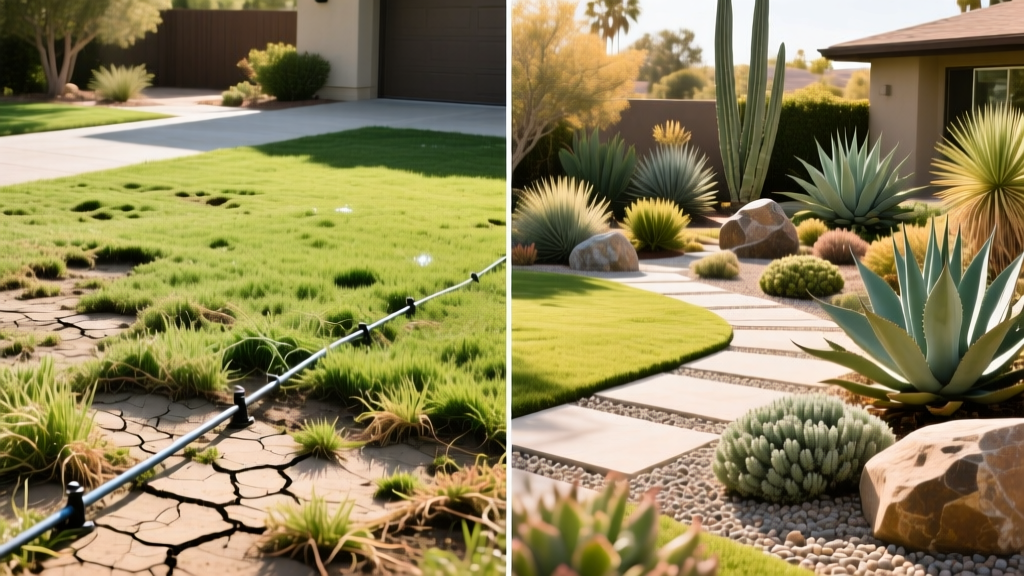
Before & After: Transforming a Thirsty Lawn Into a Xeriscape Oasis
Lisa ThompsonPublished
The Ugly Before: A Water-Wasting Money Pit
When we first assessed the 1,200-square-foot front yard of a mid-century suburban home, the 'lawn' was little more than a patchy, weed-infested money pit. The existing Kentucky Bluegrass turf was struggling against the region's summer heat, demanding upwards of 1.5 inches of water per week just to maintain a mediocre, pale-green appearance. According to the Environmental Protection Agency (EPA), outdoor water use accounts for nearly 30% of total household water consumption, with traditional turf lawns being the primary culprit. For this homeowner, the monthly summer water bill was hovering around $185, and weekend maintenance required four hours of mowing, edging, and fertilizing.
The goal was clear: execute a dramatic before-and-after transformation that bridges energy-efficient landscaping with modern outdoor aesthetics. We needed to replace the thirsty turf with a dynamic, low-water xeriscape that integrates smart home technology, reduces maintenance to near zero, and boosts curb appeal.
The Vision: Designing the Xeriscape 'After'
Xeriscaping is not just about dumping gravel and placing a lone cactus in the corner. True xeriscaping involves seven core principles, including planning and design, soil improvement, and efficient irrigation. Our vision for the 'after' state was a modern, desert-chic oasis featuring structured hardscaping, drought-tolerant perennial borders, and a hidden smart drip-irrigation system.
Site Analysis and Sun Mapping
Before breaking ground, we conducted a thorough site analysis. The front yard faced southwest, receiving a brutal 8+ hours of direct, unfiltered sunlight during the summer. We performed a simple percolation test—digging a 12-inch deep hole, filling it with water, and timing the drainage. The clay-heavy soil drained at a sluggish rate of 1 inch per hour, meaning we would need to amend the soil heavily to prevent root rot in our new drought-tolerant plantings.
Step-by-Step Transformation Process
Phase 1: Turf Removal and Soil Amendment (Days 1-2)
Rather than using chemical herbicides to kill the grass, we opted for mechanical removal to immediately prep the site. We rented a walk-behind sod cutter ($85 for a half-day from a local equipment rental yard) to slice off the top 2.5 inches of turf and roots. This yielded approximately 4 cubic yards of organic material, which we composted for future garden-to-table vegetable beds in the backyard.
With the soil exposed, we tilled in 3 inches of expanded shale and premium compost to break up the compacted clay and improve drainage. This crucial step ensures that the deep roots of our new xeriscape plants can establish without sitting in standing water during winter rains.
Phase 2: Hardscaping and Permeable Pathways (Days 3-5)
To reduce the irrigable footprint and create visual interest, we designed a sweeping, curved pathway using permeable pavers. We chose Belgard's Aqua Roc permeable concrete pavers, which allow rainwater to percolate back into the groundwater table rather than running off into storm drains. The Department of Energy notes that energy-efficient landscaping techniques, including water management and strategic shading, can significantly reduce a home's overall environmental footprint. We bordered the pathway with steel landscape edging and filled the surrounding planting beds with a 3-inch layer of decomposed granite (DG) in a warm 'Sonoma Gold' hue, laid over a heavy-duty weed barrier fabric.
Phase 3: Smart Home Irrigation Integration (Day 6)
Drip irrigation is the heartbeat of a successful xeriscape. We capped the existing 1/2-inch PVC supply lines and transitioned to Netafim Techline CV drip tubing, which features built-in pressure-compensating emitters spaced 12 inches apart. This delivers water directly to the root zone, eliminating wind drift and evaporation.
To bridge outdoor living with smart home integration, we replaced the antiquated dial timer with a Rachio 3 Smart Sprinkler Controller. This Wi-Fi-enabled device connects to local weather stations and automatically skips watering schedules when rain or high humidity is detected. We configured three distinct hydrozones: one for the high-water needs of a small accent Japanese Maple near the porch, one for the moderate-water perennial borders, and one for the ultra-low-water succulent beds.
Phase 4: Plant Selection and Installation (Days 7-8)
Plant selection focused on structural forms, year-round foliage interest, and pollinator support. We utilized the National Wildlife Federation's guidelines for landscaping with native and adapted plants to ensure the garden supports local ecology while surviving the heat. Our plant palette included:
- Structural Anchors: Three Agave 'Blue Glow' plants, placed at the focal points of the pathway curves. Their striking blue-green rosettes and red margins provide architectural drama.
- Mid-Level Texture: Russian Sage (Perovskia atriplicifolia) and Autumn Joy Sedum, planted in sweeping drifts to provide late-summer color and vital nectar for bees and butterflies.
- Groundcover: Creeping Thyme (Thymus serpyllum) tucked between the permeable pavers to soften the hardscape edges and release a pleasant fragrance when stepped on.
Before & After: The Data Breakdown
The transformation from a high-maintenance turf lawn to a smart, energy-efficient xeriscape yielded immediate and measurable results. Below is a comparative look at the metrics before and after the project.
| Metric | Before (Kentucky Bluegrass) | After (Smart Xeriscape) |
|---|---|---|
| Total Project Cost | $0 (Existing) | $4,850 (Materials, Rentals, Smart Tech) |
| Summer Water Bill (Monthly Avg) | $185 | $42 |
| Weekly Maintenance Time | 4 Hours (Mowing, Edging, Weeding) | 30 Minutes (Pruning, Smart App Monitoring) |
| Irrigation Method | Overhead Spray (High Evaporation) | Smart Drip (Weather-Adjusted) |
| Ecological Impact | Monoculture, Zero Pollinator Value | Biodiverse, Supports Native Pollinators |
The ROI and Environmental Impact
While the upfront cost of $4,850 might seem steep for a front yard makeover, the return on investment is multifaceted. Financially, the reduction in water bills—saving roughly $143 per month during the six-month dry season—means the irrigation savings alone will offset a significant portion of the project cost within three years. Furthermore, many local municipalities offer 'cash for grass' rebates. In this case, the homeowner secured a $600 rebate from the local water district for removing 1,200 square feet of turf and installing a smart controller.
'Transitioning to water-wise landscaping is one of the most impactful steps a homeowner can take toward environmental stewardship and long-term property resilience.'
Beyond the financials, the environmental impact is profound. By eliminating the need for gas-powered mowing, we reduced localized carbon emissions and noise pollution. The integration of the Rachio 3 controller ensures that not a single drop of water is wasted during unexpected summer rainstorms, a common flaw of traditional timer-based systems.
Final Thoughts on the Transformation
The 'after' reveal of this front yard is nothing short of spectacular. What was once a barren, thirsty patch of struggling grass is now a vibrant, textural, and dynamic landscape that changes with the seasons. The decomposed granite pathways invite visitors to slow down and appreciate the architectural forms of the Agave and the gentle sway of the Russian Sage. By embracing energy-efficient landscaping principles and smart home technology, this project proves that you don't have to sacrifice beauty for sustainability. Whether you are looking to lower your utility bills, reclaim your weekends from the lawnmower, or simply boost your home's curb appeal, a xeriscape transformation is a profound upgrade to any outdoor living space.
