Home & Garden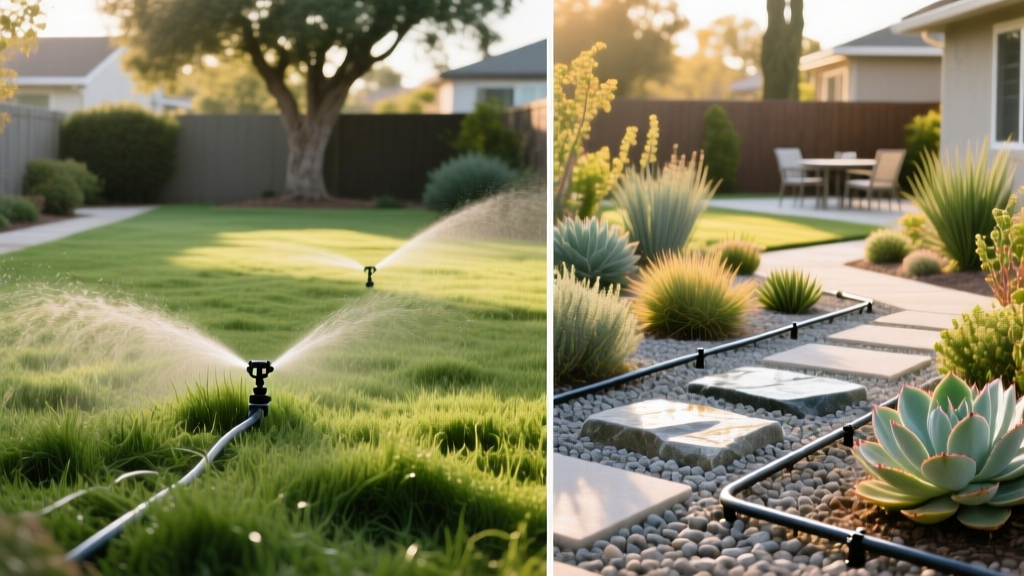
From Thirsty Turf to Smart Xeriscape: A Before and After Guide
Emily WatsonPublished
The 'Before' State: A Water-Wasting Money Pit
Transforming a traditional, water-thirsty front lawn into a sustainable, smart-irrigated xeriscape is one of the most impactful home and garden projects you can undertake. For our before and after case study, we tackled a 1,200-square-foot front yard dominated by patchy, weed-infested Kentucky Bluegrass. The 'before' state was a classic suburban eyesore: the grass required constant mowing, weekly fertilization, and relentless watering just to maintain a mediocre green hue during the peak summer months. According to the Environmental Protection Agency (EPA), nearly one-third of all residential water use is dedicated to outdoor landscaping, with traditional lawns being the primary culprit. In drought-prone regions, this translates to thousands of gallons of wasted water and skyrocketing utility bills.
Our goal was to completely reimagine the space. We wanted to bridge indoor and outdoor living by creating a visually striking, low-maintenance garden that utilized smart home technology for irrigation, incorporated energy-efficient landscaping principles, and reduced outdoor water consumption by at least 70%. Here is the step-by-step breakdown of our turf-to-xeriscape transformation, including the specific materials, costs, and timelines involved.
Step 1: Turf Removal via Sheet Mulching
Before planting a single drought-tolerant shrub, the existing turf had to go. While mechanical tilling is an option, it often brings dormant weed seeds to the surface and destroys the soil's natural microbial structure. Instead, we opted for sheet mulching, an organic, no-dig method that suppresses grass while simultaneously building rich topsoil.
Materials and Execution
- Cardboard: We sourced heavy-duty, plain brown cardboard boxes from a local appliance store (free). We removed all plastic tape and staples.
- Wood Chips: We ordered 4 cubic yards of arborist wood chips from a local tree service (cost: $120, delivered).
We mowed the existing grass as short as possible, soaked the area with water, and laid the cardboard directly over the turf, overlapping the edges by at least six inches to prevent grass from finding sunlight. Next, we spread a thick, four-inch layer of wood chips over the cardboard. This process took one weekend. We then let the area sit for eight weeks. During this time, the grass beneath the cardboard decomposed, feeding the soil biology, while the cardboard naturally broke down into carbon-rich organic matter.
Step 2: Hardscaping and Permeable Pathways
A successful xeriscape relies heavily on hardscaping to reduce the total planted square footage while adding architectural interest. To make the garden accessible and visually structured, we designed a winding pathway using decomposed granite (DG) and permeable pavers.
The Hardscape Installation
We excavated a three-foot-wide curving path through the center of the yard, digging down four inches. We laid down a heavy-duty geotextile weed barrier fabric, followed by a two-inch base of crushed road gravel, which we compacted using a rented plate compactor ($65 for a half-day rental). Finally, we added a two-inch top layer of stabilized decomposed granite (Cost: $85 per ton; we used 2 tons). Stabilized DG contains a natural binder that hardens slightly when wet, preventing the gravel from tracking into the house while still allowing rainwater to permeate the soil below, reducing stormwater runoff. To anchor the path, we installed heavy concrete curb stones along the edges, creating a clean, modern border that separates the walkway from the future planting zones.
Step 3: Integrating Smart Home Irrigation
The most critical component of this transformation was upgrading the irrigation system. The old system relied on fixed-schedule rotary sprinklers that sprayed water into the air, losing up to 30% of the volume to wind drift and evaporation. We capped off the old spray heads and transitioned the entire zone to a sub-surface drip irrigation network, controlled by a Wi-Fi-enabled smart hub.
Smart Controller and Drip Tubing
We installed the Rachio 3 Smart Sprinkler Controller (Cost: $180). This device connects to the home's Wi-Fi network and uses local weather data, including evapotranspiration (ET) rates, soil moisture levels, and forecasted rain, to automatically adjust watering schedules. If a rainstorm is approaching, the controller automatically skips the watering cycle. According to the U.S. Department of Energy, integrating smart landscaping and water-saving technologies not only conserves water but also reduces the energy footprint associated with municipal water pumping and treatment.
For the physical delivery of water, we used 1/2-inch Netafim drip tubing with inline emitters spaced every 12 inches. We snaked the tubing through the designated planting beds, securing it with landscape staples. Drip irrigation delivers water directly to the root zone at a slow rate (0.9 gallons per hour per emitter), achieving up to 95% water efficiency compared to traditional overhead spraying.
Step 4: Hydrozoning and Native Plant Selection
With the soil prepped, hardscape laid, and smart drip system in place, it was time to plant. We utilized the principle of 'hydrozoning'—grouping plants with similar water and sunlight requirements together. This prevents overwatering drought-tolerant species just to keep a thirsty neighbor alive.
Plant Palette and Spacing
- Zone 1 (The Oasis - Near the Entryway): We planted 'Karl Foerster' Feather Reed Grass and vibrant red Salvia. These receive slightly more frequent drip cycles to maintain lush, welcoming curb appeal right at the front door.
- Zone 2 (Transition Area): We utilized Agastache (Hummingbird Mint) and Russian Sage. These provide massive seasonal color, attract pollinators, and require only moderate watering once established.
- Zone 3 (Arid Perimeter): Along the hot, sun-baked sidewalk, we planted structural succulents like Agave 'Blue Glow' and trailing Rosemary. These thrive on neglect and require minimal supplemental irrigation.
We dug holes twice as wide as the nursery pots but no deeper, ensuring the root flares remained at grade. After planting, we connected the drip lines to the base of each plant and covered the exposed soil with a three-inch layer of crushed granite mulch. Unlike organic wood mulch, inorganic gravel mulch does not blow away in high winds and reflects heat, which is ideal for desert-adapted plants.
The 'After' Reveal: Measuring the Transformation
Six months after the initial installation, the transformation was staggering. The yard shifted from a boring, high-maintenance patch of struggling grass to a dynamic, textured, and colorful landscape that changes with the seasons. The smart controller seamlessly managed the establishment phase, gradually reducing watering times as the plant roots grew deeper. Resources like Be Water Wise emphasize that the true beauty of a xeriscape reveals itself in the second year, when plants reach their mature size and water requirements drop to near zero.
Below is the data table comparing the 'Before' and 'After' metrics of our 1,200-square-foot transformation:
| Metric | Before (Traditional Turf) | After (Smart Xeriscape) | Net Improvement |
|---|---|---|---|
| Annual Outdoor Water Usage | 45,000 Gallons | 9,500 Gallons | 78% Reduction |
| Monthly Summer Water Cost | $115.00 | $24.00 | $91.00 Saved / Month |
| Weekly Maintenance Time | 3 Hours (Mowing, Edging) | 30 Mins (Weeding, Pruning) | 2.5 Hours Saved / Week |
| Fertilizer & Chemical Costs | $120 / Year | $0 / Year | 100% Elimination |
| Curb Appeal Rating | Generic / Patchy | Architectural / Vibrant | Significant Increase |
Final Thoughts on the ROI
The total out-of-pocket cost for this DIY transformation was approximately $1,450, which included the smart controller, hardscape materials, plants, and tool rentals. Factoring in the $91 monthly savings on summer water bills and the elimination of lawn care chemical costs, the project achieved a full return on investment in just over two seasons. Beyond the financial benefits, the integration of smart home technology and energy-efficient landscaping principles resulted in a resilient outdoor space that thrives in harmony with the local climate, proving that sustainable garden design does not require sacrificing beauty or modern convenience.
