Lawn Care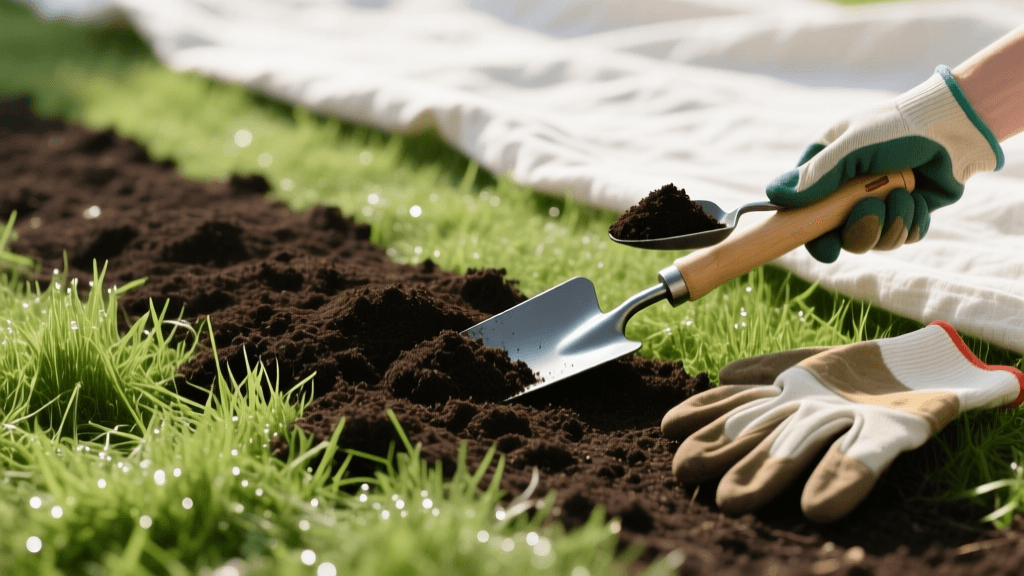
How to Top-Dress Your Lawn with Compost for Better Soil Health
Why Soil Health is the Foundation of a Lush Lawn
When homeowners think of lawn care, they often focus on the visible elements: mowing patterns, weed control, and irrigation. However, the true secret to a resilient, vibrant lawn lies hidden beneath the surface. Soil health is the foundation of any successful turfgrass management program, and compost top-dressing is one of the most effective, natural methods to revitalize degraded soil. According to the USDA Natural Resources Conservation Service (NRCS), healthy soil is a living ecosystem teeming with bacteria, fungi, nematodes, and earthworms that work together to cycle nutrients, improve soil structure, and suppress turf diseases.
If your lawn suffers from heavy clay, severe compaction, poor drainage, or a persistent thatch layer, synthetic fertilizers alone will not solve the underlying problem. By introducing high-quality organic matter through compost top-dressing, you can fundamentally alter the physical and biological properties of your soil, creating an environment where turfgrass roots can thrive.
The Agronomic Benefits of Compost Top-Dressing
Top-dressing involves applying a thin layer of compost (typically 1/4 to 1/2 inch) over the surface of an existing lawn. This practice offers a multitude of agronomic benefits:
- Enhanced Water Retention: Organic matter acts like a sponge. Adding compost to sandy soils increases their water-holding capacity, reducing irrigation needs and drought stress. In heavy clay soils, it improves porosity and drainage, preventing waterlogging.
- Increased Cation Exchange Capacity (CEC): Compost provides negatively charged sites in the soil that hold onto essential positively charged nutrients (like calcium, magnesium, and potassium), preventing them from leaching away and making them available to grass roots over time.
- Thatch Decomposition: Compost introduces beneficial microbes that actively break down the thatch layer (the mat of dead stems and roots) that often chokes lawns and prevents water penetration.
- Leveling and Smoothing: Over time, lawns develop bumps and depressions. A compost top-dressing, especially when paired with core aeration, helps level the turf canopy for a safer, more uniform mowing experience.
Optimal Timing for Compost Application
Timing your top-dressing application to coincide with your grass type's peak growing season is critical. Applying compost when the grass is dormant or under severe heat stress can smother the turf and invite fungal pathogens.
Cool-Season Grasses
For grasses like Kentucky Bluegrass, Tall Fescue, and Perennial Ryegrass, the absolute best time to top-dress is in the early fall (late August to October). The soil is still warm, encouraging microbial activity, while the cooler air temperatures promote rapid turf recovery and root growth. Spring applications (April to May) are a secondary option but may encourage weed seed germination if the compost is not fully matured.
Warm-Season Grasses
For Bermudagrass, Zoysia, Centipedegrass, and St. Augustine, apply compost in late spring to early summer (May to June), just as the grass is fully emerging from dormancy and entering its most aggressive growth phase. This allows the stolons and rhizomes to quickly push through the compost layer.
Sourcing High-Quality Compost: What to Look For
Not all compost is created equal. Applying the wrong material can introduce weed seeds, harmful pathogens, or toxic herbicide residues to your lawn. The Environmental Protection Agency (EPA) emphasizes that properly processed compost must reach high enough temperatures during the decomposition phase to eliminate pathogens and weed seeds.
When sourcing compost for your lawn, adhere to these strict guidelines:
- Look for the STA Seal: Purchase compost that carries the US Composting Council’s Seal of Testing Assurance (STA). This guarantees the product has been lab-tested for nutrient content, pH, soluble salts, and maturity.
- Particle Size Matters: Request "screened" compost, ideally screened through a 3/8-inch or 1/4-inch mesh. Large wood chunks will smother the grass and make mowing a nightmare.
- Beware of Herbicide Carryover: Some municipal yard waste composts contain persistent herbicides (like clopyralid or aminopyralid) that survive the composting process and can severely distort or kill broadleaf plants and sensitive turfgrasses. Always ask the supplier if their compost is tested for persistent herbicides.
- Avoid High-Salt Manures: While composted cow or poultry manure is great for gardens, it can contain high levels of soluble salts that may burn turfgrass when applied as a top-dressing. Plant-based composts or leaf mold are generally safer for lawns.
Step-by-Step Guide to Top-Dressing Your Lawn
For the best results, top-dressing should be paired with core aeration. This combination allows the organic matter to bypass the thatch layer and make direct contact with the soil profile.
Step 1: Mow and Prepare the Turf
Mow your lawn slightly lower than your standard maintenance height. For example, if you normally mow at 3.5 inches, drop the deck to 2.5 inches. This ensures the compost reaches the soil surface rather than getting suspended in the grass blades. Rake up any excess clippings or debris.
Step 2: Core Aerate the Soil
Run a gas-powered core aerator over the lawn in two perpendicular directions. This pulls 2-to-3-inch soil plugs from the ground, relieving compaction and creating thousands of micro-reservoirs for the compost to fill.
Step 3: Calculate and Order Your Compost
Buying too little compost leaves you with uneven coverage, while buying too much risks smothering your grass. Use the table below to determine how much bulk compost you need based on a standard 1/4-inch application depth.
| Lawn Area (Square Feet) | Target Depth | Volume Needed (Cubic Yards) | Approximate Cost (Bulk) |
|---|---|---|---|
| 1,000 sq ft | 1/4 inch | 0.8 cu yd | $30 - $50 |
| 2,500 sq ft | 1/4 inch | 1.9 cu yd | $70 - $100 |
| 5,000 sq ft | 1/4 inch | 3.9 cu yd | $140 - $200 |
| 10,000 sq ft | 1/4 inch | 7.7 cu yd | $275 - $400 |
Note: Always order 10% more than your calculated volume to account for settling and uneven terrain.
Step 4: Spread the Compost
Shovel the compost into small piles across your lawn. Using a heavy-duty landscape leveling rake (or a specialized tool like the Landzie compost spreader), drag the compost evenly across the turf. Your goal is to fill the aeration holes and cover the soil while leaving the tips of the grass blades exposed to sunlight. Never apply more than 1/2 inch of compost at one time, as this will suffocate the turf.
Step 5: Water and Overseed (Optional)
Immediately after spreading, water the lawn deeply. This washes the compost off the grass blades, settles it into the aeration holes, and activates the microbial life. If you are renovating a thin lawn, this is the perfect time to broadcast grass seed over the freshly top-dressed soil, as the compost provides an ideal, moisture-retentive seedbed.
Cost Analysis: DIY vs. Professional Application
Top-dressing is labor-intensive, which is why many homeowners weigh the DIY route against hiring a professional lawn care service.
- DIY Approach: Bulk compost typically costs between $35 and $50 per cubic yard, plus a delivery fee ($50-$100). Renting a core aerator costs about $70 for four hours. For a 5,000 sq ft lawn, your total out-of-pocket DIY cost will range from $250 to $400, plus a full day of heavy physical labor.
- Professional Service: Lawn care companies charge a premium for the labor and specialized equipment (like motorized top-dressing machines). Expect to pay between $0.15 and $0.25 per square foot. For a 5,000 sq ft lawn, professional aeration and top-dressing will cost between $750 and $1,250.
While the DIY route saves significant money, professional services ensure an incredibly even application and save you from the back-breaking work of shoveling and raking several tons of material.
Common Mistakes to Avoid
According to turfgrass experts at the University of California Integrated Pest Management (UC IPM) program, improper cultural practices are a leading cause of lawn decline. When top-dressing, avoid these common pitfalls:
- Using Unfinished or "Hot" Compost: If the compost smells like ammonia or garbage, it is not fully decomposed. Applying unfinished compost will tie up soil nitrogen and generate excess heat, burning your grass roots.
- Top-Dressing Over Weeds: Compost is a fantastic fertilizer, but it doesn't discriminate between grass and weeds. Always apply a targeted pre-emergent or manually pull existing broadleaf weeds before laying down compost, otherwise, you will simply be fertilizing your enemy.
- Ignoring Soil pH: Compost improves soil structure, but it is not a substitute for proper pH management. Always conduct a soil test before top-dressing. If your soil pH is below 6.0, you may need to incorporate pelletized lime alongside your compost application to ensure nutrient availability.
Conclusion
Transitioning to a soil-first approach to lawn care requires patience, but the rewards are undeniable. By integrating compost top-dressing into your annual maintenance routine, you are not just feeding your grass; you are rebuilding the soil ecosystem. Over the course of two to three seasons, you will notice a dramatic reduction in water requirements, fewer fungal outbreaks, and a thick, dark-green lawn that naturally resists weeds and environmental stress.