Lawn Care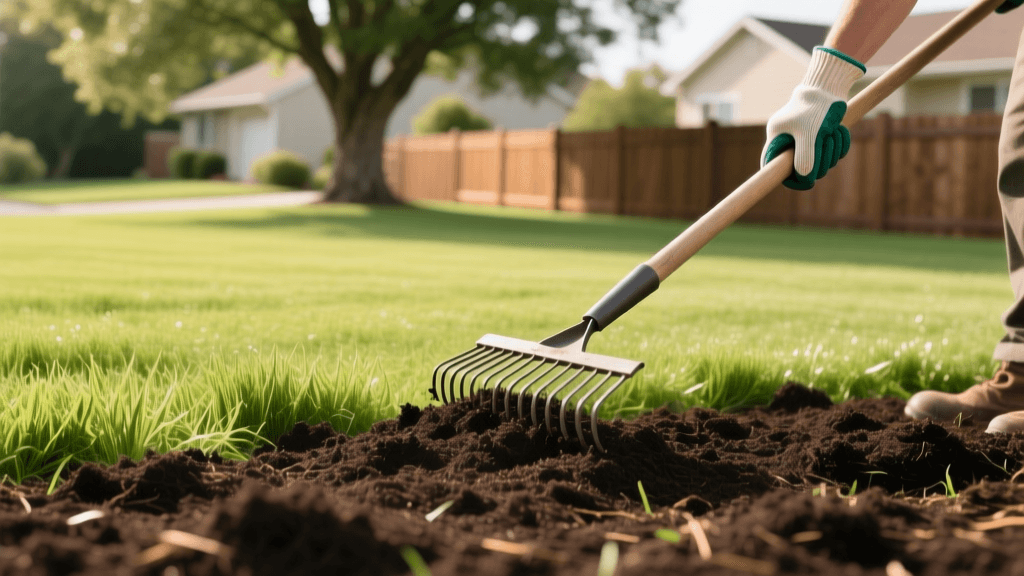
Top-Dressing Your Lawn With Compost: A Complete Soil Guide
The Foundation of a Thriving Lawn: Why Soil Health Matters
When homeowners envision a lush, emerald-green lawn, they often picture bags of synthetic nitrogen fertilizer. However, the true secret to a resilient, drought-tolerant, and vibrant turf lies beneath the surface. Turfgrass relies entirely on the top six inches of soil for water retention, nutrient uptake, and root anchorage. Over time, foot traffic, mowing, and environmental stressors degrade this vital layer, leading to compaction, thatch buildup, and nutrient depletion. This is where top-dressing your lawn with compost becomes a transformative practice.
Top-dressing is the process of applying a thin, even layer of organic or inorganic material over the surface of an established lawn. While sand and topsoil are sometimes used, high-quality compost is universally regarded by agronomists as the superior amendment. Compost does not merely feed the grass plant; it feeds the soil ecosystem. According to the United States Environmental Protection Agency (EPA), compost enriches the soil, helps retain moisture, and reduces the need for chemical fertilizers by fostering a robust microbiome of bacteria, fungi, and nematodes that naturally break down organic matter and make nutrients bioavailable to grassroots.
The Science of Soil Health and Organic Matter
To understand why compost is so effective, we must look at the soil's Cation Exchange Capacity (CEC) and its organic matter (OM) percentage. CEC is a measure of the soil's ability to hold onto essential positively charged nutrients like calcium, magnesium, and potassium, preventing them from leaching away during heavy rains. Soils with low organic matter—such as heavy clays or sandy soils—have poor CEC and poor structure.
Ideally, lawn soil should contain between 3% and 5% organic matter. Unfortunately, most suburban lawns sit at less than 1%. By top-dressing with compost, you are directly injecting humus into the soil profile. The USDA Natural Resources Conservation Service emphasizes that increasing soil organic matter improves soil structure, enhances water infiltration, and provides a steady, slow-release food source for the soil food web. This biological activity is crucial for decomposing thatch and suppressing soil-borne turf diseases.
Compost vs. Topsoil vs. Sand: Which Amendment is Best?
Not all top-dressing materials are created equal. Choosing the right material depends on your specific soil deficiencies. Below is a comparison chart to help you decide which amendment suits your lawn's needs.
| Material | Organic Matter | Primary Benefit | Best Used For | Avg. Cost (per Cu. Yd.) |
|---|---|---|---|---|
| Compost | High (30-60%) | Boosts microbiome, improves CEC, retains moisture | Overall soil health, clay/sand remediation, thatch breakdown | $30 - $50 |
| Topsoil | Low (1-5%) | Adds physical bulk, levels deep ruts | Filling severe depressions, establishing new grades | $15 - $25 |
| Masonry Sand | Zero (0%) | Improves drainage, prevents compaction | Leveling minor bumps on warm-season grasses (e.g., Bermuda) | $20 - $30 |
For general lawn rejuvenation and long-term soil health, compost is the undisputed champion. Topsoil is too heavy and can smother grass, while sand offers no nutritional or biological value.
Calculating Your Compost Needs and Costs
One of the most common mistakes DIYers make is applying too much compost, which can smother the turf and block sunlight. The ideal application rate for an established lawn is between 1/4 inch and 1/2 inch. To calculate how much compost you need, use the following formula:
(Total Square Footage / 1,000) x 0.8 = Cubic Yards needed for a 1/4 inch layer.
For example, if you have a 5,000 square foot lawn, you will need exactly 4 cubic yards of compost (5 x 0.8 = 4). If you are purchasing bagged compost from a hardware store, note that one cubic yard equals roughly 27 cubic feet. A standard 1-cubic-foot bag will only cover about 12 square feet at a 1/4 inch depth, meaning you would need over 100 bags for a 5,000 sq ft lawn. Therefore, ordering bulk compost from a local landscape supply yard is vastly more economical and environmentally friendly, typically costing between $120 and $200 for 4 cubic yards, plus a delivery fee.
When to Top-Dress: Timing for Cool and Warm-Season Grasses
Timing your top-dressing application to coincide with your grass type's peak growing season is critical. The grass must be actively growing to push its blades through the new layer of compost and recover from the stress of the process.
- Cool-Season Grasses (Kentucky Bluegrass, Tall Fescue, Perennial Ryegrass): The absolute best time to top-dress is in the early fall (September to October). Soil temperatures are still warm enough to encourage root growth, and weed competition is minimal. Spring is a secondary option, but it risks feeding spring weeds.
- Warm-Season Grasses (Bermuda, Zoysia, St. Augustine, Centipede): Top-dress in late spring to early summer (May to June) once the grass has fully greened up and is entering its most aggressive growth phase. Never top-dress warm-season grasses in the fall, as they will soon enter dormancy and the compost will sit on the surface, inviting fungal diseases.
Step-by-Step Guide to Top-Dressing Your Lawn
Step 1: Source High-Quality, STA-Certified Compost
Do not use cheap, unverified compost that may contain weed seeds, heavy metals, or persistent herbicides. Look for compost that carries the Seal of Testing Assurance (STA) from the US Composting Council. STA-certified compost is regularly tested for pathogens, nutrient content, and maturity. The compost should smell earthy and rich, like a forest floor. If it smells like ammonia or garbage, it is anaerobic and unfinished—do not put it on your lawn.
Step 2: Mow Low and Bag the Clippings
Mow your lawn slightly lower than your usual maintenance height (around 1.5 to 2 inches for cool-season grasses). Bag the clippings to expose the soil surface and ensure the compost makes direct contact with the soil rather than resting on a mat of grass clippings.
Step 3: Core Aerate the Lawn
While you can top-dress without aerating, pairing the two practices yields exponential benefits. Core aeration pulls 3-inch plugs of soil out of the ground, relieving compaction. When you apply compost immediately after aerating, the organic matter falls directly into the aeration holes, delivering microbes and nutrients straight to the root zone where they are needed most.
Step 4: Spread the Compost Evenly
Dump your bulk compost in small piles across the lawn. Using a flat-headed shovel or a specialized compost spreader (like the Landzie lawn spreader), distribute the material. Your goal is to cover the soil while leaving the grass blades partially visible. If you completely bury the grass, you have applied too much.
Step 5: Level and Work it In
Use a flexible landscape rake, an aluminum leveling lute, or a piece of chain-link fence dragged behind a tractor to work the compost down into the turf canopy and smooth out the surface. This ensures an even grade and prevents water from pooling in low spots.
Step 6: Water Deeply
Immediately after top-dressing, water the lawn with at least 0.5 to 1 inch of water. This washes the compost off the grass blades (preventing fungal issues like snow mold or leaf spot) and settles the material firmly against the soil surface.
Pairing Compost with Overseeding
Top-dressing is the ultimate companion to overseeding. If your lawn is thin or patchy, spread your grass seed immediately after core aeration and before applying the compost. The 1/4 inch layer of compost acts as a protective mulch over the delicate seeds, retaining the moisture required for germination while shielding the seeds from birds and harsh sunlight. The nutrients in the compost will feed the new seedlings as soon as their roots emerge, resulting in a dramatically thicker turf within 30 days.
Common Mistakes to Avoid
- Using 'Hot' or Unfinished Compost: Compost that has not fully cured will continue to decompose actively, generating heat and stealing nitrogen from the soil (nitrogen immobilization), which will yellow and burn your lawn.
- Applying Too Thick of a Layer: Smothering the existing turf with more than 1/2 inch of compost will block sunlight and suffocate the grass crowns, leading to dead patches.
- Ignoring Soil pH: Compost is generally pH neutral (around 6.5 to 7.0), but it will not fix extreme pH imbalances. Always conduct a soil test before top-dressing. If your soil pH is below 6.0, you may need to incorporate pelletized lime into your compost before spreading.
Conclusion
Transitioning from a chemical-dependent lawn care routine to one focused on soil biology is a long-term investment. Top-dressing your lawn with high-quality compost is not a quick-fix bandage; it is a foundational practice that rebuilds the soil architecture, enhances drought resilience, and naturally suppresses diseases. By dedicating one weekend a year to core aeration and compost top-dressing, you will cultivate a dense, deeply rooted, and vibrant lawn that requires less water, fewer synthetic inputs, and ultimately less maintenance over time. Feed the soil, and the soil will feed your lawn.