Lawn Care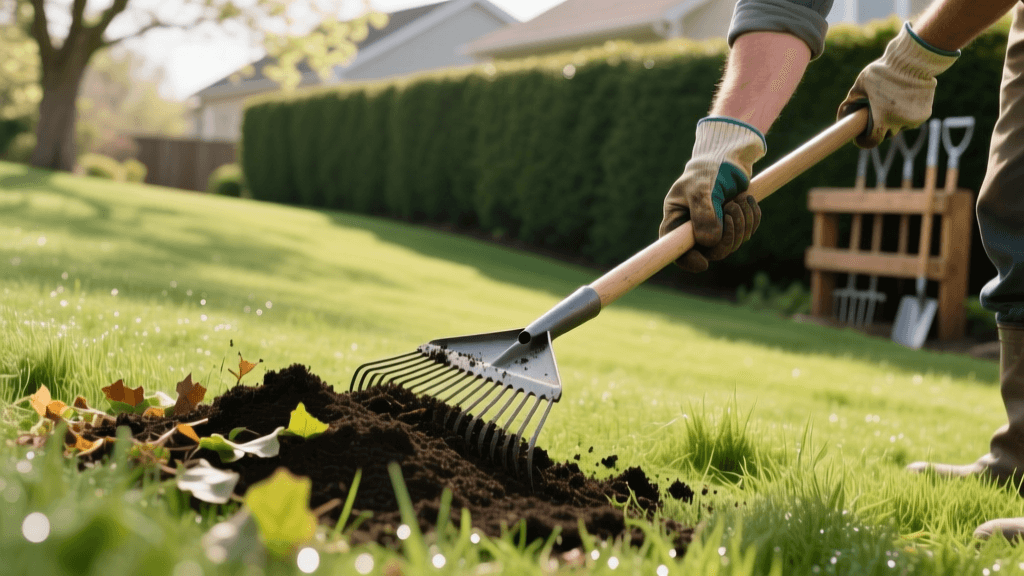
How to Topdress Your Lawn with Compost for Soil Health
A lush, vibrant lawn is the pride of any homeowner, but achieving that picture-perfect turf requires more than just regular mowing and synthetic fertilizers. The true secret to a resilient, drought-tolerant, and disease-resistant lawn lies beneath the surface. Soil health is the foundation of sustainable lawn care, and one of the most effective, time-tested methods to revive depleted soil is compost topdressing. Whether you are battling heavy clay that pools water after a rainstorm or sandy soil that dries out in hours, incorporating organic matter through compost can completely transform your lawn's ecosystem.
The Science of Soil Health and Organic Matter
To understand why compost is so revolutionary for turfgrass, we must first look at the soil food web. Healthy soil is not just dirt; it is a living, breathing matrix teeming with bacteria, fungi, nematodes, and earthworms. According to the USDA Natural Resources Conservation Service (NRCS), soil health is defined as the continued capacity of soil to function as a living ecosystem that sustains plants, animals, and humans. When we rely solely on synthetic, salt-based fertilizers, we often feed the grass blade directly but starve the soil microbiome. Over time, this leads to compacted, lifeless soil that requires increasing amounts of water and chemicals to maintain.
Compost acts as a slow-release, biologically active amendment. It improves the Cation Exchange Capacity (CEC) of your soil, which is essentially the soil's ability to hold onto essential nutrients like calcium, magnesium, and potassium, preventing them from leaching away into the groundwater. Furthermore, the humic substances in compost bind soil particles together into stable aggregates, dramatically improving aeration and root penetration.
Why Compost Outperforms Sand and Topsoil
Historically, some lawn care practices recommended topdressing with sand to improve drainage. While sand can temporarily alleviate surface pooling in extremely heavy clay, it lacks any nutritional or biological value. In many cases, adding sand to clay without organic matter can actually create a concrete-like substance. Topsoil, similarly, is often stripped of its native microbial life during the harvesting process.
Compost, on the other hand, provides a trifecta of benefits:
- Biological Inoculation: Introduces millions of beneficial microbes that outcompete turf pathogens and break down thatch naturally.
- Moisture Retention: Organic matter acts like a sponge. Research shows that every 1% increase in soil organic matter allows an acre of soil to hold an additional 20,000 gallons of water.
- pH Buffering: Compost naturally buffers soil pH, bringing highly acidic or alkaline soils closer to the neutral 6.0-7.0 range preferred by most turfgrasses.
When to Topdress Your Lawn
Timing is critical when applying compost. You want the turfgrass to be in its peak growth phase so it can quickly push through the new layer of organic matter and recover from the preparation process.
Cool-Season Grasses
For grasses like Kentucky Bluegrass, Tall Fescue, and Perennial Ryegrass, the absolute best time to topdress is in the early fall (late August to early October). The soil is still warm, encouraging microbial activity, but the air temperatures are cooling, reducing heat stress on the grass. Spring is a secondary option, but it carries a higher risk of weed seed germination.
Warm-Season Grasses
For Bermudagrass, Zoysia, St. Augustine, and Centipedegrass, aim for late spring to early summer (May through June). You want the grass to have fully greened up and be actively growing to ensure it isn't smothered by the topdressing.
Calculating Your Compost Requirements
A common mistake homeowners make is applying too much compost at once, which can smother the grass crowns and block sunlight. The golden rule of topdressing is to apply a thin, even layer—typically between 1/4 inch and 1/2 inch.
Use the table below to estimate how much bulk compost you will need to order from a local landscape supply yard. (Note: One cubic yard covers approximately 1,000 square feet at a depth of roughly 1/3 inch).
| Lawn Area (Square Feet) | 1/4 Inch Depth (Cubic Yards) | 1/2 Inch Depth (Cubic Yards) |
|---|---|---|
| 1,000 | 0.77 | 1.54 |
| 2,500 | 1.93 | 3.86 |
| 5,000 | 3.86 | 7.72 |
| 10,000 | 7.72 | 15.43 |
| 15,000 | 11.57 | 23.15 |
Pro Tip: Always order 10% more than your exact calculation to account for uneven terrain and settling.
Step-by-Step Guide to Compost Topdressing
Step 1: Mow Low and Rake
Mow your lawn slightly lower than your usual maintenance height. This prevents the grass blades from matting down under the weight of the compost. Follow up with a stiff thatch rake or a power dethatcher to remove dead organic matter and expose the soil surface.
Step 2: Core Aeration (Highly Recommended)
While you can topdress without aerating, combining the two practices yields exponential results. Core aeration pulls small plugs of soil from the ground, relieving compaction. When you apply compost immediately after aerating, the organic matter falls directly into the aeration holes, amending the soil deep in the root zone where it is needed most.
Step 3: Spread the Compost
Dump the compost in small piles across the lawn. Using a flat-headed shovel or a specialized compost spreader, distribute the material evenly. Your goal is to create a uniform layer that allows the grass tips to poke through.
Step 4: Drag and Level
Use a heavy push broom, a landscape rake, or a specialized drag mat (like a chain-link fence section or a turf-leveling rake) to work the compost down to the soil level. This ensures the compost makes direct contact with the soil and the grass blades are left clean and exposed to sunlight.
Step 5: Water Deeply
Immediately after topdressing, water the lawn thoroughly. This washes the compost off the grass blades, prevents fungal issues, and activates the soil microbes. Keep the soil consistently moist (but not waterlogged) for the next two weeks to encourage microbial integration.
Choosing the Right Compost for Turfgrass
Not all compost is created equal. Applying immature, poorly processed, or high-salt compost can severely damage your lawn. The Environmental Protection Agency (EPA) notes that properly cured compost should have an earthy smell, a dark brown to black color, and a crumbly texture.
When sourcing compost, look for products that carry the Seal of Testing Assurance (STA) from the US Composting Council. This certification guarantees the compost has been lab-tested for critical metrics, including:
- Soluble Salts: Must be low enough to prevent root burn.
- pH Levels: Should be relatively neutral (6.0 - 7.5).
- Heavy Metals and Pathogens: Must be below safety thresholds.
- Weed Seeds: Proper thermophilic composting (reaching 131°F to 160°F for several days) kills weed seeds and harmful pathogens like E. coli.
Avoid using raw animal manure, as it is too 'hot' (high in nitrogen and ammonia) and will scorch your turf. Similarly, avoid composts made primarily from municipal biosolids if you have concerns about heavy metal accumulation or if you have pets that frequent the lawn. A high-quality, plant-based compost or a well-aged blend of cow manure and wood chips is ideal for turfgrass.
Common Topdressing Mistakes to Avoid
Even with the best intentions, homeowners can stumble during the topdressing process. Avoid these common pitfalls to ensure your lawn reaps the full benefits of compost:
- Smothering the Grass: Applying more than 1/2 inch of compost at one time can block sunlight and trap excess moisture against the grass crowns, leading to rot and fungal diseases. Always err on the side of a thinner application.
- Using Unfinished Compost: If the compost smells like ammonia, sulfur, or rotting garbage, it is not fully cured. Immature compost will tie up soil nitrogen as it continues to decompose, effectively starving your lawn.
- Topdressing Over Weeds: Never apply compost over an actively growing weed infestation. The nutrient-rich environment will feed the weeds just as much as the grass. Always address broadleaf and grassy weeds prior to your topdressing application.
- Ignoring Soil Tests: While compost is an excellent amendment, it may not correct severe macro-nutrient deficiencies (like extremely low phosphorus or potassium). Always run a University of Minnesota Extension recommended soil test every two to three years to tailor your broader fertilization strategy.
Long-Term Soil Management and Maintenance
Topdressing with compost is not a one-time miracle cure; it is a cornerstone of a long-term soil health strategy. For severely degraded soils, plan to topdress with a 1/4 inch layer of compost annually for three to five years. Once your soil organic matter reaches the optimal 3% to 5% range, you can scale back to a maintenance application every other year.
Pair your compost topdressing with organic, slow-release fertilizers and deep, infrequent watering practices. Over time, you will notice a dramatic reduction in thatch buildup, fewer fungal disease outbreaks, and a lawn that stays green longer during summer droughts. By feeding the soil rather than just the plant, you build a resilient landscape that thrives in harmony with nature.
Final Thoughts
Investing in soil health through compost topdressing is one of the most impactful decisions you can make for your lawn. It reduces your reliance on synthetic chemicals, conserves water, and builds a robust root system capable of withstanding environmental stressors. Grab a shovel, order a yard of high-quality compost, and start rebuilding your soil from the ground up.