Lawn Care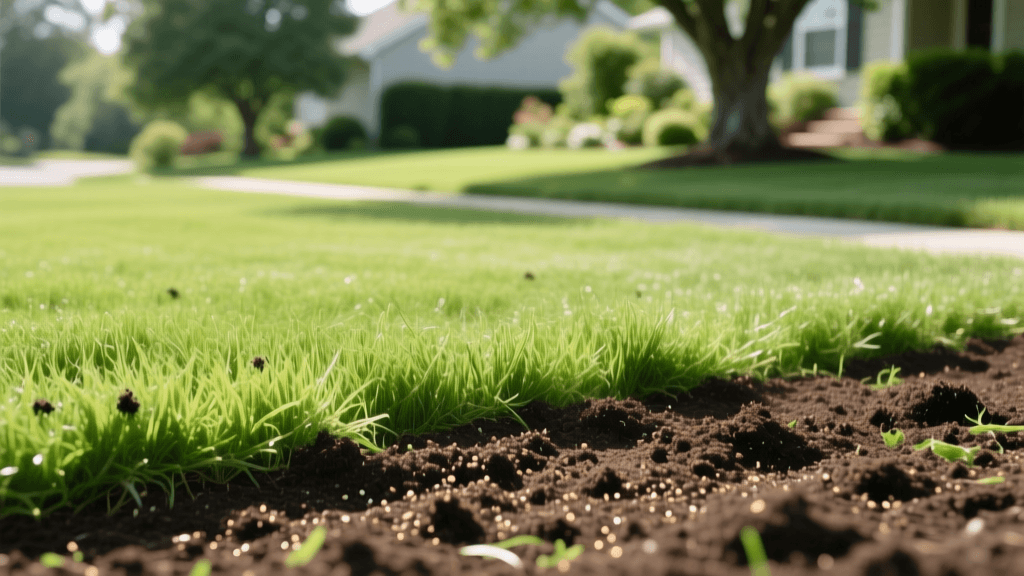
Topdressing Lawns With Compost To Boost Soil Health
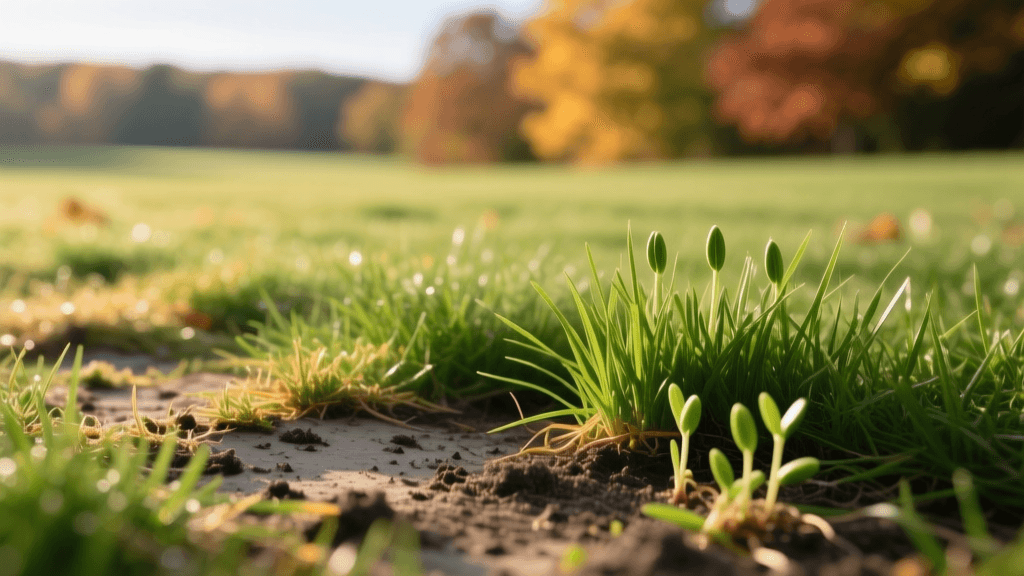
The Hidden Secret to a Lush Lawn: Soil Health
Most homeowners spend countless hours and dollars on synthetic fertilizers, herbicides, and excessive watering, only to be frustrated by thinning grass, stubborn weeds, and persistent thatch buildup. The problem rarely lies on the surface; it lies beneath it. A vibrant, resilient lawn is the direct result of a thriving soil ecosystem. When you shift your focus from simply feeding the grass to feeding the soil, the results are transformative. This is where compost topdressing comes into play.
According to the USDA Natural Resources Conservation Service, soil health is defined as the continued capacity of soil to function as a vital living ecosystem that sustains plants, animals, and humans. In the context of turfgrass management, healthy soil is teeming with beneficial bacteria, fungi, nematodes, and earthworms. These microorganisms break down organic matter, cycle nutrients into forms that grass roots can easily absorb, and improve soil structure. Unfortunately, conventional lawn care practices often strip the soil of its organic matter and microbial life, leaving behind compacted, lifeless dirt.
What is Compost Topdressing?
Compost topdressing is the practice of applying a thin, even layer of finely screened, decomposed organic matter directly over your existing turf. Unlike synthetic fertilizers that provide a quick, short-lived flush of nitrogen, compost feeds the soil food web. As the microorganisms consume the compost, they release a steady, slow-release stream of macro and micronutrients. Furthermore, the physical act of topdressing helps smooth out minor bumps in the lawn, improves seed-to-soil contact during overseeding, and introduces beneficial microbes that can naturally suppress turf diseases.
The United States Environmental Protection Agency (EPA) highlights that composting not only reduces waste but creates a nutrient-rich soil amendment that retains moisture, reduces the need for chemical fertilizers, and promotes higher yields of agricultural crops and lawns. For turfgrass, this translates to deeper root systems, enhanced drought tolerance, and a naturally thick canopy that chokes out weeds.
Choosing the Right Compost for Turfgrass
Not all compost is created equal. Applying the wrong type of organic matter can introduce weed seeds, burn your grass with excess ammonia, or create a hydrophobic barrier. When sourcing compost for your lawn, adhere to these guidelines:
- Fine Screening: The compost should be screened through a 3/8-inch or 1/2-inch mesh. Large chunks of wood or un-decomposed leaves will smother the grass blades and block sunlight.
- Maturity: Ensure the compost is fully finished. It should smell earthy and rich, like a forest floor. If it smells sour, acidic, or like ammonia, it is still actively decomposing and will rob your soil of nitrogen while generating heat that can burn turf roots.
- Feedstock: Look for a blend of yard waste and food scraps, or composted leaf litter. Avoid composts heavily reliant on poultry manure or biosolids, as these can contain excessive salts and phosphorus levels that harm long-term soil balance.
- STA Certification: Whenever possible, purchase compost from a facility certified by the US Composting Council's Seal of Testing Assurance (STA) program, which guarantees regular testing for pathogens, heavy metals, and nutrient content.
Step-by-Step Guide to Topdressing Your Lawn
Applying compost is a straightforward process, but proper preparation is crucial to ensure the organic matter actually reaches the root zone rather than just sitting on top of the thatch layer.
Step 1: Mow and Rake
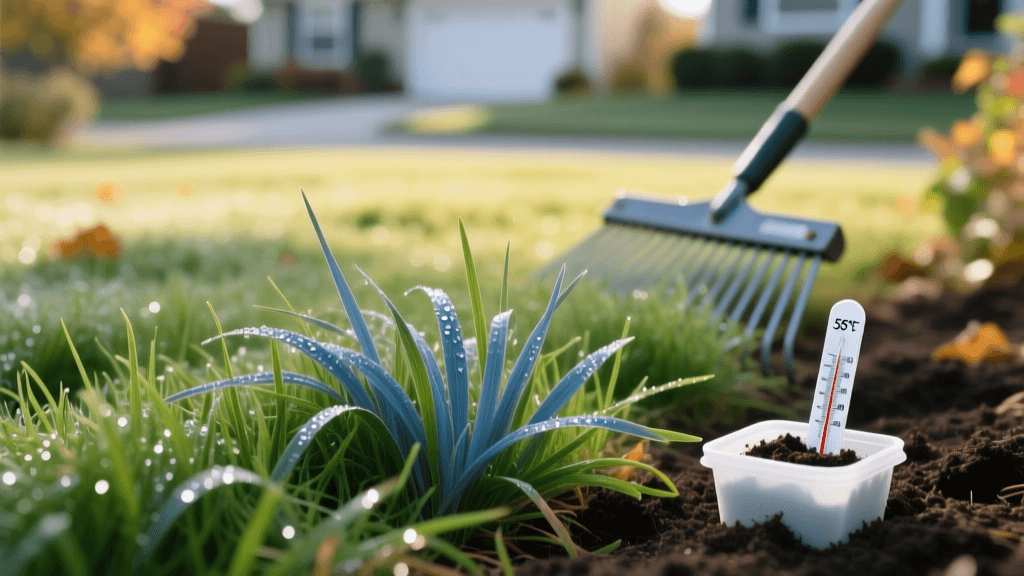
Mow your lawn slightly lower than your usual maintenance height. This prevents the grass blades from holding the compost up in the canopy. Follow up with a vigorous raking or use a power dethatcher to remove the dead thatch layer. This opens up the soil surface and allows the compost to make direct contact with the earth.
Step 2: Core Aeration (Highly Recommended)
For the best results, core aerate your lawn immediately before topdressing. Aeration pulls small plugs of soil from the ground, relieving compaction and creating thousands of tiny holes. When you apply compost afterward, the organic matter falls directly into these holes, instantly improving the soil profile deep within the root zone.
Step 3: Calculate and Spread the Compost
The ideal application rate for an established lawn is 1/4 inch to 1/2 inch of compost. Applying more than this can smother the existing grass. Use a shovel to drop small piles of compost across the lawn, then use a landscaping rake or a specialized topdressing drag mat to spread it evenly. You should still be able to see the tips of the grass blades poking through the compost layer.
Step 4: Water Deeply
Immediately after spreading, water the lawn deeply. This washes the compost off the grass blades and down into the soil and aeration holes, preventing the compost from drying out and blowing away in the wind.
Compost Topdressing Calculator and Costs
One of the most common challenges homeowners face is figuring out exactly how much compost to order. Bulk compost is typically sold by the cubic yard. The table below provides a quick reference guide based on a standard 1/4-inch application depth, which is ideal for annual maintenance.
| Lawn Area (Sq. Ft.) | Compost Needed (Cubic Yards) | Application Depth | Estimated Bulk Cost (Avg.) |
|---|---|---|---|
| 1,000 | 0.8 | 1/4 inch | $30 - $50 |
| 2,500 | 1.9 | 1/4 inch | $75 - $120 |
| 5,000 | 3.9 | 1/4 inch | $150 - $240 |
| 10,000 | 7.7 | 1/4 inch | $300 - $480 |
Note: Prices vary significantly by region and delivery fees. Always order 10% more than your calculations to account for uneven spreading and settling.
Timing Your Application: Cool-Season vs. Warm-Season Grasses
Timing your compost application to coincide with your grass's peak growing season ensures that the turf can quickly push through the topdressing layer and take advantage of the newly available nutrients.
- Cool-Season Grasses (Kentucky Bluegrass, Fescue, Ryegrass): The absolute best time to topdress is in the early fall, ideally right after core aeration and overseeding. The cooler air temperatures and warm soil create the perfect environment for microbial activity and root growth. A secondary, lighter application can be done in late spring.
- Warm-Season Grasses (Bermuda, Zoysia, St. Augustine, Centipede): Apply compost in late spring to early summer, once the grass has fully greened up and entered its most aggressive growth phase. Avoid fall applications, as the grass will soon enter dormancy and the exposed compost could encourage winter weed germination.
The Long-Term Impact on Soil Organic Matter
Building soil health is not an overnight process. The Rodale Institute, a pioneer in organic agriculture and soil science, emphasizes that regular additions of compost are essential for rebuilding degraded soils and sequestering carbon. In a typical suburban lawn, topsoil is often stripped during construction, leaving behind compacted subsoil with less than 1% organic matter. Healthy turfgrass soil requires at least 3% to 5% organic matter to retain adequate moisture and nutrients.
By committing to an annual compost topdressing routine, you can increase your soil's organic matter by roughly 0.5% to 1% each year. Over a three-to-five-year period, this fundamentally alters the soil structure. Clay soils become more friable and better drained, while sandy soils gain the ability to hold onto water and fertilizer. The result is a lawn that requires less irrigation, survives drought stress, and naturally resists pest pressures.
Common Mistakes to Avoid
While compost is incredibly forgiving, a few missteps can hinder your progress:
- Smothering the Turf: Never apply more than 1/2 inch of compost at one time. Grass needs sunlight to photosynthesize. If the canopy is completely buried, the grass will die back, leaving you with a muddy mess.
- Skipping the Soil Test: Compost adds organic matter and trace minerals, but it may not provide enough primary macronutrients (Nitrogen, Phosphorus, Potassium) to meet the aggressive demands of certain turfgrasses. Always perform a soil test every two years to determine if supplemental organic fertilizers are needed alongside your compost.
- Using Raw Manure: Never topdress with fresh or uncomposted animal manure. It is too high in soluble salts, harbors dangerous pathogens like E. coli, and will severely burn your lawn.
Conclusion
Transitioning to a soil-first approach is the most impactful decision you can make for your lawn. Compost topdressing is a time-tested, environmentally responsible practice that breathes life back into tired, compacted soil. By feeding the microscopic life beneath the surface, you are building a resilient, self-sustaining ecosystem that will reward you with a thick, vibrant, and deeply rooted lawn for years to come. Grab a rake, order a yard of premium compost, and start investing in the true foundation of your landscape.