
Tree Care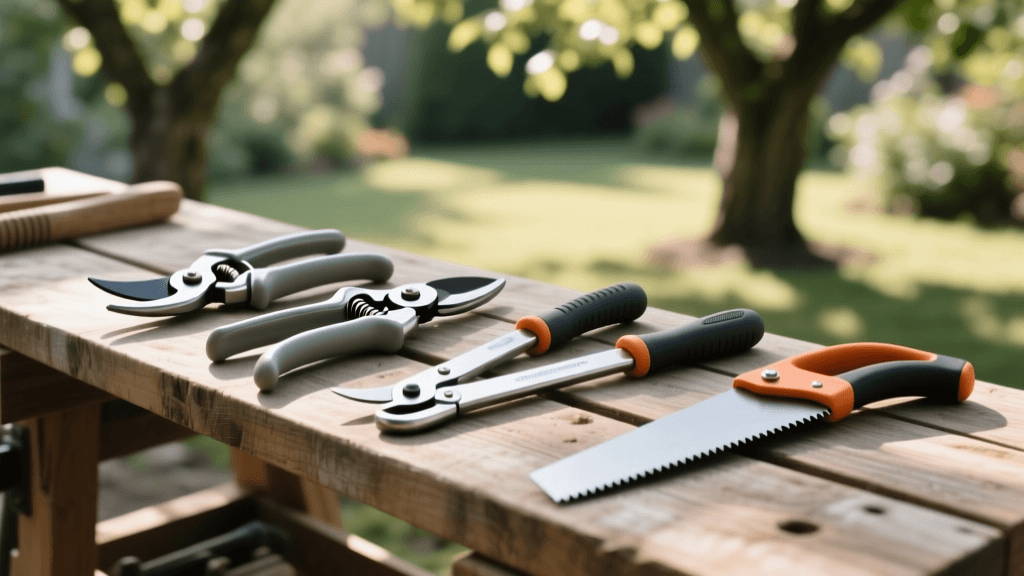
The Ultimate Tree Pruning Tools Guide for Homeowners
Introduction to Tree Pruning Equipment
Pruning is one of the most vital maintenance practices for maintaining the health, structure, and aesthetic appeal of your landscape trees. However, the success of your pruning efforts relies heavily on the tools you use. Making ragged, torn, or crushed cuts with improper equipment can leave your trees vulnerable to devastating diseases, wood-boring insects, and environmental stress. According to the Penn State Extension, using the correct, well-maintained tools ensures clean cuts that heal rapidly, protecting the tree's natural defense mechanisms. This comprehensive guide will walk you through the essential tree pruning tools every homeowner needs, detailing their specific uses, sizing guidelines, and maintenance requirements to help you make informed purchasing decisions and execute flawless pruning cuts.
Hand Pruners (Secateurs): Precision Cutting
Hand pruners, often referred to as secateurs, are the workhorses of the garden shed. They are designed for one-handed operation and are ideal for making precise cuts on small branches, twigs, and stems. When selecting hand pruners, you will encounter two primary designs: bypass and anvil.
Bypass vs. Anvil Pruners
Bypass pruners operate much like a pair of scissors. They feature two curved blades that pass by each other, creating a clean, slicing cut. This design is highly recommended for live, green wood because it minimizes crushing and promotes faster healing. The Arbor Day Foundation emphasizes that clean cuts are crucial for preventing disease entry. Premium bypass pruners often feature replaceable blades, ergonomic rotating handles to reduce wrist strain, and wire-cutting notches.
Anvil pruners, on the other hand, feature a single straight cutting blade that closes down onto a flat, wide surface (the anvil). While they offer more crushing power, they tend to smash live tissue, making them unsuitable for delicate live branches. However, they are exceptionally useful for clearing out dead, dry, or brittle wood where tissue crushing is no longer a concern.
Sizing and Ergonomics
When shopping, look for pruners that comfortably fit your hand size. Many brands offer compact models for smaller hands and heavy-duty models with ratcheting mechanisms that multiply your cutting force, making them ideal for gardeners with arthritis or limited grip strength. Hand pruners are generally rated for branches up to three-quarters of an inch in diameter. Forcing a thicker branch into hand pruners will misalign the blades and ruin the tool.
Loppers: Leverage for Medium Branches
When branches exceed the capacity of hand pruners, it is time to reach for loppers. Loppers are essentially oversized pruners equipped with long handles that provide the necessary leverage to cut through thicker wood. They are designed for two-handed operation and are the go-to tool for branches ranging from three-quarters of an inch up to two inches in diameter.
Handle Length and Gearing
Like hand pruners, loppers come in bypass and anvil varieties. Bypass loppers are your primary choice for shaping trees and cutting live limbs, as they provide the same clean, scissor-like action on a larger scale. Anvil loppers are heavier and more robust, reserved primarily for chopping out deadwood or clearing overgrown, neglected brush.
The length of the lopper handles dictates your leverage and reach. Standard loppers range from 24 to 32 inches in length. A 24-inch pair offers excellent control and is lighter to maneuver, while a 32-inch pair provides maximum leverage for stubborn, dense wood. Recently, geared or compound-action loppers have gained immense popularity. These models incorporate a gear mechanism near the pivot point that multiplies your manual input force by up to three times, allowing you to slice through thick hickory or oak branches with significantly less physical exertion. When evaluating loppers, pay close attention to the bumper stops located near the pivot; these rubber cushions absorb the shock of the blades closing, protecting your elbows and shoulders from jarring impacts.
Pruning Saws: Heavy Duty Wood Removal
For branches thicker than two inches, pruners and loppers are no longer effective or safe. Attempting to force thick limbs into loppers can damage the tool's pivot bolt and result in dangerous, unpredictable slips. This is where pruning saws become indispensable. Pruning saws feature aggressive, razor-sharp teeth designed to cut efficiently on the pull stroke, which prevents the blade from bowing and binding in the kerf.
Folding Saws vs. Bow Saws
Folding pruning saws are incredibly popular among homeowners and professional arborists alike. Models like the Silky Gomboy or Corona RazorTOOTH feature blades that fold securely into the handle, much like a pocket knife, ensuring safe storage and easy transport in a tool belt. The curved blade design naturally pulls the branch into the cut, reducing the effort required from your arm and shoulder.
For even heavier cutting, a fixed-blade pruning saw with a scabbard or a traditional bow saw might be necessary. Bow saws utilize a tensioned blade held within a tubular steel frame, making them exceptional for quickly bucking up large fallen branches or cutting through extremely dense, dry firewood. When selecting a pruning saw, consider the teeth per inch (TPI). A lower TPI (around 5 to 7) provides a highly aggressive, fast cut ideal for thick, rough bark and green wood. A higher TPI (8 to 10) offers a smoother, slower cut that is better suited for smaller limbs and dry hardwoods. Always ensure your saw blade is securely locked before making a cut, and never twist the blade while it is embedded in the wood, as this can easily snap the high-carbon steel.
Pole Pruners and Canopy Safety
Pruning high branches presents a significant safety hazard. Climbing ladders with cutting tools is strongly discouraged by safety experts due to the high risk of falls and severe lacerations. Pole pruners and pole saws allow you to maintain a safe footing on the ground while reaching into the canopy.
Manual pole pruners typically feature a bypass pruning head operated by a pulley and rope system. They are lightweight and quiet but require considerable upper body strength to pull the rope through thick wood. Pole saws, which can be manual, electric, or gas-powered, feature a small chainsaw or reciprocating blade at the end of an extendable pole. Fiberglass poles are highly recommended over aluminum or wood, as they offer superior durability and, crucially, do not conduct electricity if you accidentally brush against overhead power lines.
According to the Clemson University Home & Garden Information Center, safety should always dictate your pruning strategy. If a branch is near a power line, requires you to overreach, or is too large for your equipment, it is time to hire a certified arborist. Always wear appropriate personal protective equipment (PPE), including ANSI-approved safety glasses, heavy-duty leather gloves, and a hard hat when working beneath a canopy.
Tree Pruning Tool Comparison Chart
Use the following table to quickly identify which tool is appropriate for your current pruning task based on branch thickness and application.
| Tool Type | Max Branch Diameter | Best Use Case | Estimated Cost |
|---|---|---|---|
| Bypass Hand Pruners | Up to 3/4 inch | Precise cuts on live, green wood | $25 - $65 |
| Bypass Loppers | 3/4 inch to 2 inches | Shaping canopy, medium live limbs | $40 - $90 |
| Folding Pruning Saw | 2 inches to 6 inches | Heavy-duty cutting, thick branches | $30 - $75 |
| Manual Pole Pruner | Up to 1.5 inches | High canopy branches safely from ground | $50 - $120 |
Tool Sanitization and Maintenance
Owning the right tools is only half the battle; maintaining them is equally critical. Dull blades tear wood fibers rather than slicing them, creating jagged wounds that take years to compartmentalize and heal. Sharpen your bypass pruners and loppers regularly using a diamond sharpening stone or a fine file, always following the original bevel angle of the blade. After sharpening, apply a light coat of camellia oil or a dry lubricant to prevent rust and reduce friction during cuts.
Preventing Disease Transmission
Sanitization is perhaps the most overlooked aspect of tree pruning. Diseases such as fire blight, oak wilt, and various cankers can easily be transmitted from an infected tree to a healthy one via contaminated tools. To prevent this, you must sterilize your blades between trees, and ideally between every cut when dealing with known diseased wood. A solution of 70 percent isopropyl alcohol or a 10 percent bleach solution (one part bleach to nine parts water) is highly effective. Wipe the blades thoroughly and allow them to dry before making the next cut. Note that bleach can be corrosive to metal over time, so be sure to clean and oil your tools thoroughly after using a bleach solution. Proper tool care ensures your equipment lasts a lifetime and keeps your landscape thriving season after season.