
Tree Care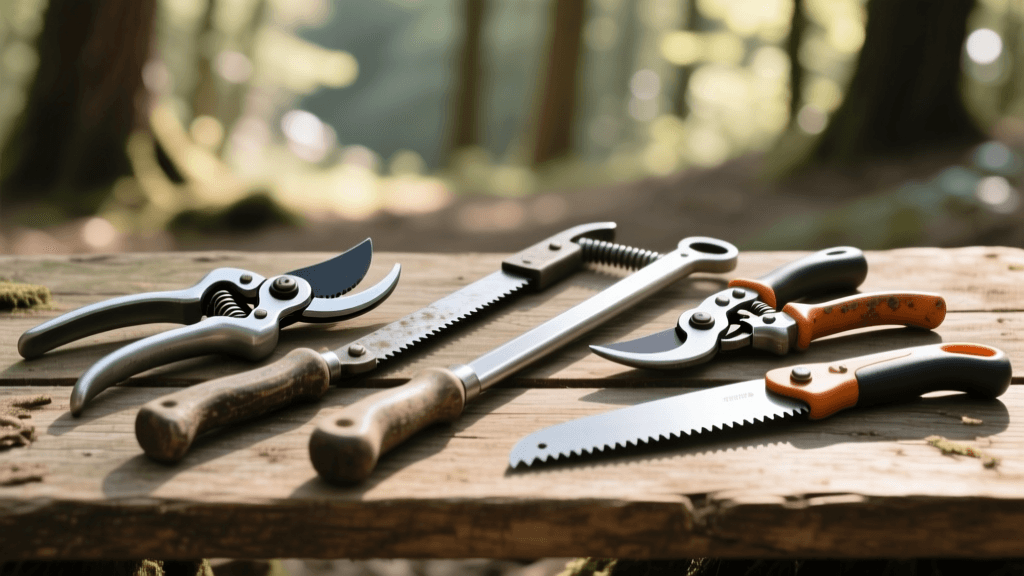
The Ultimate Guide to Tree Pruning Tools: Selection and Care
The Foundation of Tree Health: Choosing the Right Pruning Tools
Pruning is one of the most critical practices in comprehensive tree care, directly influencing a tree's structural integrity, aesthetic appeal, and long-term health. However, the effectiveness of your pruning efforts is entirely dependent on the tools you use. Making cuts with dull, improperly sized, or unsanitized tools can cause severe damage to the tree's vascular system, leaving ragged wounds that invite wood-decaying fungi and destructive pests. For homeowners and landscaping professionals alike, understanding the nuances of arborist equipment is the first step toward cultivating a thriving landscape. This guide explores the essential tools required for every pruning task, the mechanics of different blade types, and the rigorous maintenance routines necessary to keep your equipment in peak condition.
Bypass vs. Anvil: Choosing the Right Cutting Mechanism
When selecting hand pruners and loppers, you will primarily encounter two distinct cutting mechanisms: bypass and anvil. Understanding the difference is crucial for preventing tissue damage.
- Bypass Pruners: These operate much like a pair of scissors, featuring two curved blades that pass closely by one another. Bypass tools create clean, precise cuts that heal quickly, making them the absolute best choice for live, green wood. They allow you to get close to the trunk or main branch without damaging the surrounding bark.
- Anvil Pruners: These feature a single straight, sharpened blade that closes down onto a flat, wide base (the anvil). While they offer more crushing leverage, they tend to mash and bruise the cambium layer of live branches. Anvil tools should be strictly reserved for cutting away dead, dry, and brittle wood where a clean healing collar is not a concern.
- Ratchet Pruners: A specialized subset of anvil or bypass tools, ratchet pruners use a mechanical gear system to cut through wood in stages. They are highly recommended for gardeners with arthritis or limited grip strength, as they drastically reduce the physical force required to sever thick twigs.
Essential Pruning Tools by Branch Size
Using a tool that is too small for a branch will result in crushed tissue and damaged tool joints, while using a tool that is too large reduces your precision. Refer to the comparison chart below to select the appropriate equipment for your specific pruning needs.
| Tool Type | Max Branch Diameter | Best Use Case | Average Cost |
|---|---|---|---|
| Hand Pruners (Secateurs) | Up to 3/4 inch | Fine twigs, precision cuts, deadheading, and shaping small shrubs. | $25 - $80 |
| Bypass Loppers | Up to 2 inches | Medium branches, reaching deep into the canopy, and leverage-heavy cuts. | $40 - $120 |
| Pruning Saw | Up to 6 inches | Thick limbs, flush cuts, storm damage cleanup, and removing heavy scaffolds. | $30 - $90 |
| Pole Pruner/Saw | Up to 2 inches (high) | Canopy management and thinning without the danger of climbing ladders. | $60 - $180 |
| Chainsaw | 6+ inches | Heavy storm damage, felling dead trees, and processing large logs. | $150 - $500+ |
When investing in these tools, prioritize brands known for replaceable parts. High-end hand pruners from manufacturers like Felco or ARS allow you to replace just the blade or the spring, extending the life of the tool for decades. For pruning saws, Japanese-style pull saws with impulse-hardened teeth (such as those made by Silky) offer unparalleled cutting speed and leave a remarkably smooth finish that promotes rapid compartmentalization.
The Three-Cut Method for Large Limbs
When removing branches larger than two inches in diameter, a pruning saw is necessary. However, cutting a heavy limb in a single pass often causes the bark to tear down the trunk as the branch falls under its own weight, stripping the tree of vital protective tissue. The Arbor Day Foundation strongly recommends the three-cut method to prevent this catastrophic damage.
- The Undercut: Make a shallow cut on the underside of the branch, about six to twelve inches away from the trunk, cutting roughly one-third of the way through. This severs the bark fibers and prevents tearing.
- The Relief Cut: Move an inch or two further out on the branch (away from the trunk) and cut completely through from the top. The heavy branch will fall cleanly away.
- The Collar Cut: Make the final precision cut just outside the branch collar—the swollen, wrinkled area where the branch meets the trunk. Never cut flush against the trunk, as removing the collar severely impairs the tree's natural defense mechanisms and invites rot.
Tool Sanitization and Disease Prevention
Pathogens like fire blight, oak wilt, and Dutch elm disease can easily be transmitted from tree to tree via contaminated pruning tools. According to experts at Penn State Extension, sanitizing your tools between cuts is crucial when dealing with diseased wood, and between different trees during routine maintenance.
A 70 percent isopropyl alcohol solution is highly effective and less corrosive than bleach. Simply wipe the blades with a clean rag soaked in the alcohol, or dip the blades into the solution for thirty seconds. If you must use a bleach solution (one part household bleach to nine parts water), be sure to rinse the blades with fresh water and oil them immediately afterward. Bleach accelerates rust and degrades the steel edge, which will ultimately ruin your equipment if not properly neutralized.
Sharpening and Maintenance Routine
A dull blade crushes plant tissue rather than slicing it cleanly, leaving a ragged wound that takes significantly longer to heal. To maintain your hand pruners and loppers, disassemble them periodically. Use a wire brush and warm soapy water to remove dried sap, resin, and surface rust.
Sharpen the beveled edge using a diamond hand file or a fine whetstone. Always push the file away from your body and follow the original factory angle, typically around 20 to 25 degrees. After sharpening, remove any metal burrs by lightly running a flat file or sandpaper over the non-beveled side. Finally, apply a few drops of lightweight machine oil or specialized camellia oil to the pivot bolt and spring mechanism to ensure smooth operation and prevent corrosion during storage.
Safety Gear and Knowing When to Call a Professional
Tree care can be highly hazardous, especially when working overhead or near utility infrastructure. Always wear ANSI-approved safety glasses to protect your eyes from falling debris, sawdust, and snapping branches. Heavy-duty leather gloves protect your hands from blisters and sharp thorns, while a hard hat is absolutely essential when pruning overhead limbs.
The International Society of Arboriculture (ISA) advises homeowners to never attempt pruning branches that are within ten feet of utility lines, or branches that require climbing a ladder while operating a chainsaw. If a tree requires extensive canopy reduction, shows signs of severe structural weakness, or is located near a home or power line, hire a certified arborist. Professionals possess the specialized rigging equipment, cranes, and liability insurance necessary to manage high-risk tree work safely and effectively.