
Tree Care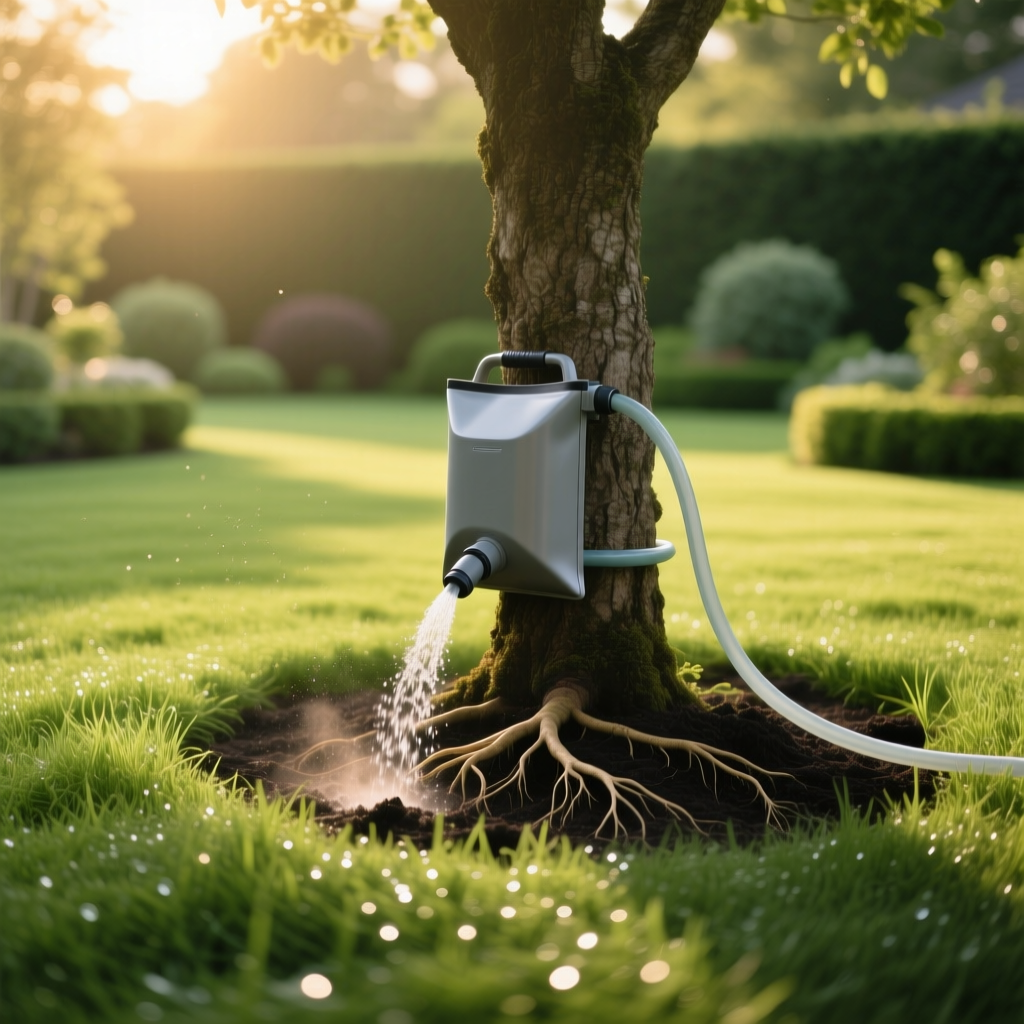
The Ultimate Guide to Tree Watering Bags & Slow-Release Irrigation Techniques
James MillerPublished
Trees are the majestic anchors of any landscape, providing essential shade, improving air quality, and boosting property value. However, establishing and maintaining healthy trees requires a strategic approach to hydration, especially during their critical early years or in periods of drought. Traditional watering methods, such as blasting the base of a tree with a garden hose, often lead to excessive surface runoff, soil compaction, and shallow root development. This is where tree watering bags and slow-release irrigation techniques revolutionize modern arboriculture and landscape management.
By delivering moisture directly to the root zone at a controlled, gradual pace, slow-release irrigation mimics the benefits of a long, steady rainfall. This comprehensive guide explores the science behind tree watering bags, alternative slow-release techniques, and how to integrate these methods into your broader landscape maintenance routine. For more foundational advice on maintaining your entire outdoor space, be sure to explore our complete tree care hub and related landscaping resources.
The Science of Slow-Release Irrigation & Tree Care Requirements
To understand why slow-release irrigation is so highly recommended by arborists, we must first examine the biology of tree roots and the physics of soil percolation. Trees require deep, infrequent watering to encourage their root systems to grow downward in search of moisture. When water is applied too quickly, the soil’s infiltration rate is exceeded. The excess water pools on the surface, runs off into the street, or evaporates before it can reach the vital feeder roots located several inches below the surface.
Slow-release irrigation systems, such as tree watering bags, are engineered to release water drop by drop over a period of several hours. This gradual application allows the soil to absorb the moisture fully, pulling it deep into the earth via capillary action. This deep watering is crucial for both newly planted saplings and mature trees experiencing environmental stress. It ensures that the water reaches the entire root ball and the surrounding native soil, promoting a robust, drought-tolerant root architecture.
Furthermore, the effectiveness of slow-release irrigation is deeply tied to your local soil composition. Clay soils, which are notorious for poor drainage and compaction, benefit immensely from the slow drip of a watering bag, as it prevents the soil pores from becoming instantly waterlogged. Conversely, sandy soils drain rapidly and leach nutrients away from the root zone. A slow-release system ensures that sandy soils remain consistently moist without wasting water. Understanding your soil profile is a critical component of overall landscape health, a concept we explore in depth in our soil health and amendment guide.
Proper tree care requirements dictate that a newly planted tree needs roughly 10 to 15 gallons of water per week during its first two growing seasons. Tree watering bags typically hold between 15 and 20 gallons, making them the perfect vessel to meet these exact biological requirements with minimal effort and zero water waste.
How to Properly Use Tree Watering Bags for Maximum Efficiency
While tree watering bags are incredibly user-friendly, improper installation or maintenance can reduce their effectiveness and potentially harm the tree. To get the most out of your slow-release irrigation investment, follow these essential setup and maintenance steps.
1. Proper Placement and Zipping: Unwrap the bag and position it around the base of the tree trunk. Most bags feature a heavy-duty zipper that allows you to secure the bag in a cylinder or cone shape. Ensure the zipper is fully closed and that the bag is sitting flat against the ground. The weeping holes or permeable seams at the bottom must have direct contact with the soil or mulch layer to allow water to seep out effectively.
2. Mind the Trunk and Bark: A common mistake is pulling the bag too tightly against the tree’s bark. While the bag needs to be secure, it should not act as a tourniquet or trap excessive moisture directly against the sensitive root flare. Ensure the root flare (the area where the trunk expands at the base) is not buried under soil, mulch, or the heavy plastic of the bag, as this can lead to girdling roots and fungal infections.
3. Filling the Bag Correctly: Use a garden hose to fill the bag. It is highly recommended to place your hand inside the opening to hold it wide while filling, preventing the inner layers from collapsing and blocking the water flow. Fill the bag to the indicated maximum fill line. If your local water supply is heavy in sediment or minerals, consider attaching a simple inline hose filter to prevent the microscopic weeping holes from clogging over time.
4. Maintenance and Storage: Tree watering bags are typically made from UV-treated polyethylene, but prolonged exposure to harsh sunlight will eventually degrade the plastic. Once the tree is established (usually after two to three years) or when the winter dormant season arrives, empty the bags, rinse them out, and store them in a cool, dry place. This simple step will extend the lifespan of your irrigation equipment significantly.
Alternative Slow-Release Irrigation Techniques for Trees
Tree watering bags are highly visible and effective, but they are not the only slow-release irrigation technique available. Depending on your budget, aesthetic preferences, and the specific layout of your landscape, several alternative methods can provide the same deep-root hydration benefits.
The 5-Gallon Bucket Method: This is a favorite DIY technique among frugal gardeners and large-scale reforestation volunteers. Take a standard 5-gallon plastic bucket and drill two to three small holes (about 1/8th of an inch in diameter) in the bottom. Place the bucket near the tree's drip line—the outer edge of the tree’s canopy where the most active feeder roots reside. Fill the bucket with water, and it will slowly drain into the soil over a few hours. This method is easily scalable; for larger trees, simply use multiple buckets spaced evenly around the drip line.
Soaker Hoses and Drip Irrigation Rings: For orchards or properties with multiple trees, connecting a soaker hose to a timer is a highly efficient strategy. Coil the soaker hose in a spiral pattern starting a few inches from the trunk and extending out to the drip line. Cover the hose with a layer of organic mulch to prevent evaporation and protect the rubber from UV degradation. Alternatively, pre-formed drip irrigation rings can be attached to your existing drip system, delivering precise, slow-release moisture directly to the root zone. To understand how this compares to turf hydration, review our guide on watering your lawn efficiently.
Ollas (Terracotta Pot Irrigation): An ancient technique that is regaining popularity in permaculture and sustainable landscaping. An unglazed terracotta pot is buried in the soil next to the tree, with only the neck exposed. The pot is filled with water and capped. Because terracotta is porous, water slowly weeps through the clay walls into the surrounding dry soil. The tree roots will naturally grow toward and even wrap around the olla, drawing moisture exactly when they need it. This method eliminates surface evaporation entirely.
Seasonal Watering Tips & Pruning Considerations
Tree hydration needs fluctuate dramatically with the changing seasons, and your slow-release irrigation strategy must adapt accordingly. Furthermore, cultural practices like pruning directly impact a tree's water requirements.
Spring Establishment: As trees break dormancy and push out new foliage, their demand for water spikes. Spring is the most critical time to utilize tree watering bags, especially for trees planted the previous fall. The slow release of water supports the energy-intensive process of leafing out and establishing new root tips in warming soil.
Summer Drought Stress: During the peak heat of summer, evaporation rates soar. While a tree watering bag might empty in 8 hours during the spring, summer heat and dry soil can cause the water to be drawn out much faster. Monitor your bags closely and be prepared to refill them twice a week during severe heatwaves. Applying a thick layer of organic mulch beneath and slightly beyond the bag will help trap the slow-released moisture in the soil.
Fall Winterization: Many homeowners mistakenly stop watering trees in the autumn. However, trees need deep hydration in the fall to prepare for winter dormancy. A well-hydrated tree is far less susceptible to winter desiccation (drying out from cold winds). Continue using slow-release irrigation until the ground freezes solid.
Pruning and Hydration Synergy: Pruning alters the root-to-shoot ratio of a tree. When you remove branches, you reduce the tree's canopy, which in turn reduces the amount of water the tree transpires. If you perform heavy structural pruning, the tree will temporarily require less water. However, pruning also creates wounds that require cellular energy and moisture to compartmentalize and heal. Proper, balanced hydration via slow-release methods ensures the tree has the resources to heal pruning cuts without pushing excessive, weak vegetative growth. For best practices on making the right cuts, consult our detailed tutorial on pruning trees for health and structure.
Preventing Tree Diseases Through Proper Hydration
Water is the essence of life, but improper watering is also a primary vector for devastating tree diseases. Slow-release irrigation techniques, when used correctly, act as a powerful preventative measure against a host of pathological issues.
Preventing Root Rot and Fungal Pathogens: The most common cause of tree decline in residential landscapes is overwatering, which leads to hypoxia (oxygen deprivation) in the root zone. When soil is constantly saturated by daily, shallow sprinkler watering, beneficial aerobic soil microbes die, and anaerobic pathogens like Phytophthora thrive. This leads to root rot, which starves the tree of nutrients. Slow-release irrigation prevents the soil from becoming waterlogged, maintaining the vital balance of air and water in the soil pores.
Avoiding Trunk Cankers and Bark Diseases: Traditional overhead sprinklers frequently wet the trunk and lower branches of a tree. Constant moisture on the bark creates an ideal breeding ground for fungal cankers, bacterial wetwood, and moss overgrowth. Tree watering bags deliver water strictly to the soil line. However, as mentioned earlier, the bag itself must not trap moisture directly against the bark. Ensuring proper airflow at the root flare is essential to preventing collar rot.
Mitigating Drought-Induced Pest Infestations: Trees suffering from underwatering and drought stress emit specific chemical signals that attract destructive pests, such as bark beetles and woodborers. Furthermore, a drought-stressed tree lacks the internal water pressure (turgor pressure) required to produce defensive sap and pitch to drown invading insects. By utilizing slow-release irrigation to maintain consistent, deep soil moisture, you bolster the tree’s natural immune system, keeping borers and secondary pathogens at bay. Learn more about identifying and treating these issues in our resource on common tree diseases and pest management.
How long do tree watering bags last before needing a refill?
The duration a tree watering bag takes to empty depends on several environmental factors, including soil type, ambient temperature, and the specific brand's flow rate. On average, a standard 15-to-20-gallon tree watering bag will completely empty within 5 to 9 hours. In highly compacted clay soils, the water may take slightly longer to percolate, extending the drip time. Conversely, in hot, dry, sandy soils, the bag may drain in as little as 4 hours. During the peak of summer, you should plan to refill the bags every 2 to 3 days to ensure the tree receives adequate weekly moisture.
Can I add liquid fertilizer to my tree watering bag?
While it is technically possible to add water-soluble, liquid fertilizers to a tree watering bag, it is generally not recommended by arborists. The microscopic weeping holes in the bags are designed to let pure water pass through. Fertilizers, especially those containing salts, organic matter, or undissolved particulates, can easily clog these pores, rendering the bag useless. Furthermore, applying concentrated fertilizer directly to the sensitive root flare of a young tree can cause severe root burn. It is much safer to apply granular fertilizer to the soil surface around the drip line and let the pure water from the bag slowly dissolve and carry the nutrients down to the root zone.
Do tree watering bags cause trunk rot or bark diseases?
When installed and maintained correctly, tree watering bags do not cause trunk rot. The key is ensuring that the bag is not pulled so tightly that it traps ambient humidity and rain directly against the bark for weeks on end. The bag should rest gently around the base, allowing for some airflow. Additionally, you must never leave a tree watering bag on a tree year-round. Once the tree is established or the growing season ends, the bag must be removed. Leaving a plastic bag wrapped around a trunk for multiple seasons will girdle the tree, trap moisture, and invite severe fungal cankers and insect infestations beneath the plastic.
What is the best time of day to fill slow-release irrigation systems?
The optimal time to fill tree watering bags or activate slow-release drip systems is in the early evening or late afternoon. Filling the bags at this time allows the water to slowly percolate deep into the soil profile overnight, when temperatures are cooler and evaporation rates are at their absolute lowest. By the time the sun rises and the tree begins its daily process of transpiration (drawing water up through the leaves), the moisture will have already reached the deep feeder roots, preparing the tree to handle the heat and stress of the coming day.
How do I know if my tree is getting enough water from the bag?
To verify that your slow-release system is working effectively, perform a simple soil moisture test. A few hours after the bag has completely emptied, use a soil probe, a long screwdriver, or a trowel to check the soil moisture about 6 to 8 inches below the surface, directly beneath where the bag was sitting. The soil should feel cool and moist, like a wrung-out sponge, but not muddy or pooling with standing water. If the soil is dry just a few inches down, your soil may be highly hydrophobic, or the bag's weeping holes may be clogged. If the soil is soggy, you may need to reduce the frequency of your refills to prevent root asphyxiation.

