Home & Garden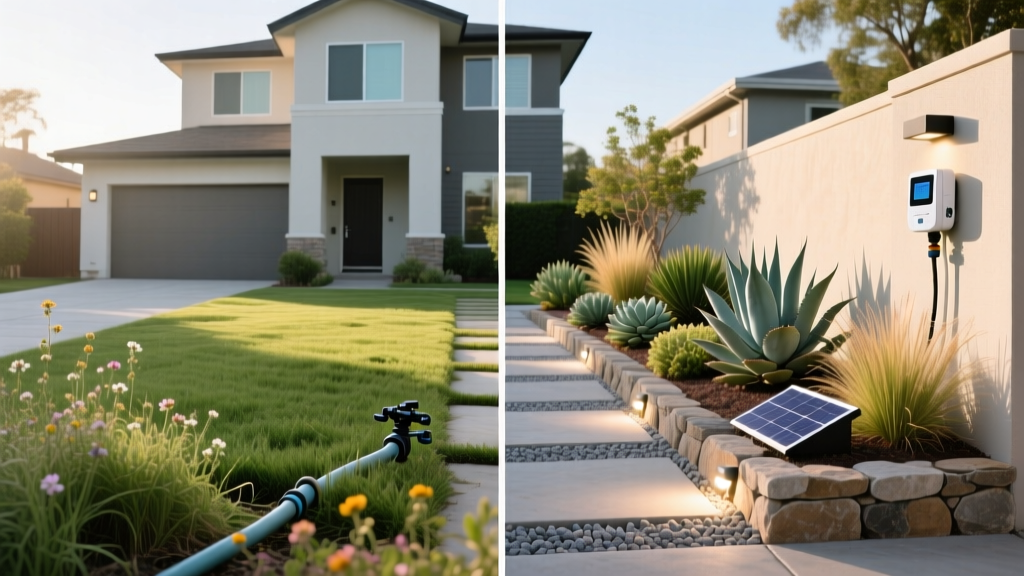
Before & After: Turf to Smart Xeriscape Transformation
Robert HayesPublished
The 'Before': A Thirsty, High-Maintenance Turf Nightmare
Bridging the gap between indoor comfort and outdoor living starts with curb appeal. For years, the front yard of a typical suburban home in a semi-arid climate was dominated by 1,200 square feet of struggling Kentucky Bluegrass. While the idea of a lush, green carpet is deeply ingrained in the American dream, the reality of maintaining it in a drought-prone region was a logistical and financial nightmare. The soil was heavily compacted clay, leading to massive water runoff during irrigation cycles. Despite running rotary spray heads three times a week, the turf was plagued by brown patches, fungal diseases, and relentless weed invasions.
Here is a snapshot of the 'Before' state and the pain points that prompted a drastic change:
- Water Waste: Summer water bills routinely spiked to $180 per month, with much of the water lost to evaporation and wind drift.
- Time Sink: Mowing, edging, and fertilizing consumed at least three hours every single weekend.
- Chemical Reliance: Maintaining the unnatural monoculture required synthetic fertilizers and broadleaf herbicides, which disrupted the local soil microbiome.
- Poor Aesthetics: By late August, the grass would inevitably go dormant and turn a crispy, unappealing yellow.
According to the Environmental Protection Agency's WaterSense program, outdoor water use accounts for nearly 30% of total household water use, with up to 50% of it wasted due to wind, evaporation, and runoff from inefficient irrigation systems.
The Vision: Designing a Smart, Drought-Tolerant Oasis
The goal was not just to kill the grass, but to completely reimagine the front yard as an extension of the home's living space. The vision was a modern, desert-chic xeriscape that utilized smart home technology to eliminate water waste while providing year-round visual interest. The design called for sweeping curves of decomposed granite, architectural succulents, native pollinator-friendly perennials, and a Wi-Fi-enabled drip irrigation system. By replacing the turf, the homeowners aimed to reduce outdoor water consumption by at least 60%, lower maintenance time to under an hour a month, and create a vibrant habitat for local wildlife.
Step 1: Turf Removal via Sheet Mulching
Rather than using harsh chemical herbicides like glyphosate or renting a gas-powered sod cutter, the homeowners opted for sheet mulching. This organic method suppresses the grass while simultaneously building soil health. The transformation began in early spring, allowing six weeks for the turf to break down before planting.
The Process:
- The existing grass was mowed as short as possible (scalped to about 1 inch).
- The area was thoroughly soaked with a garden hose to activate soil microbes.
- Heavy-duty, corrugated cardboard boxes were flattened and laid over the entire 1,200 sq ft area. Each piece was overlapped by at least 6 inches to prevent weeds from finding a gap.
- The cardboard was wetted down again to keep it in place and speed up decomposition.
- A 4-inch layer of free arborist wood chips was spread evenly over the cardboard.
This method cost less than $50 (primarily for the labor of collecting cardboard) and effectively smothered the bluegrass while adding vital organic matter to the clay soil below.
Step 2: Installing Hardscape and Smart Irrigation
With the turf decomposing beneath the mulch, the next phase involved laying out the hardscape and the hidden veins of the garden: the smart irrigation system. A winding, 4-foot-wide pathway was designed to invite visitors through the garden rather than just past it.
Hardscaping Details:
The pathway required excavating 4 inches of soil. A commercial-grade woven landscape fabric was laid down to prevent weed growth while allowing water permeation. A 2-inch base of crushed 3/4-inch gravel was compacted using a hand tamper. Finally, 2 inches of Decomposed Granite (DG) mixed with a polymeric sand stabilizer was applied and compacted. The stabilizer was crucial; it binds the DG particles together when wet, creating a solid surface that resists erosion and footprints, mimicking the look of natural sandstone. Total cost for the hardscape materials: $450.
Smart Irrigation Integration:
To align with modern smart home ecosystems, the outdated rotary spray valves were capped off. In their place, a Rachio 3 Smart Sprinkler Controller ($229) was installed in the garage, wiring into the existing 24V irrigation lines. Instead of spray heads, the system was converted to a low-volume drip network using Netafim Techline CV tubing, which features built-in 0.9 Gallons Per Hour (GPH) emitters spaced every 12 inches. The Rachio controller connects to the home's Wi-Fi and utilizes local weather stations to calculate daily evapotranspiration (ET) rates. It automatically skips watering when rain is in the forecast and adjusts run times based on seasonal temperature shifts, ensuring the garden receives the exact amount of moisture it needs, down to the minute.
Step 3: Planting a Xeriscape Palette
Plant selection focused on a mix of structural architectural plants, native bloomers, and soft ornamental grasses to create a layered, dynamic landscape. To support local ecosystems, the homeowners integrated native flora, aligning with the principles advocated by the National Wildlife Federation's Garden for Wildlife initiative.
The Plant Palette:
- Focal Points (Backdrops): Three Agave attenuata (Foxtail Agave) were planted near the porch for striking, spineless architectural drama. Behind them, clumps of Muhlenbergia capillaris (Pink Muhly Grass) were installed to provide a breathtaking, hazy pink bloom in the autumn.
- Mid-Ground Color: Salvia greggii (Autumn Sage) and Achillea millefolium (Yarrow) were planted in sweeping drifts. These drought-tolerant perennials provide vibrant reds and whites while serving as a magnet for hummingbirds and native bees.
- Groundcover: Between the DG pathway and the larger plants, Thymus serpyllum (Creeping Thyme) was planted to soften the hardscape edges and release a pleasant fragrance when brushed against.
Before planting, the compacted clay soil was amended in the specific planting holes with a 50/50 mix of native soil and pumice to ensure rapid drainage, which is critical for the survival of agaves and salvias during winter rains.
Before and After: The Transformation by the Numbers
The true impact of this landscape overhaul is best understood through a direct comparison of the metrics before and one year after the transformation.
| Metric | Before (Kentucky Bluegrass) | After (Smart Xeriscape) |
|---|---|---|
| Total Area | 1,200 sq ft | 1,200 sq ft |
| Peak Summer Water Bill | $180 / month | $45 / month |
| Weekly Maintenance Time | 3 hours (mowing, edging) | 30 minutes (weeding, pruning) |
| Irrigation Type | Rotary spray heads (overhead) | Smart drip system (sub-surface) |
| Chemical Inputs | Synthetic fertilizers, herbicides | Organic compost top-dressing |
| Wildlife Value | Low (monoculture) | High (pollinator habitat) |
| Total Project Cost | N/A (ongoing high maintenance) | $2,850 (materials and controller) |
The 'After': One Year Later
Walking up to the home a year after the transformation, the difference is staggering. The noisy, water-guzzling lawn has been replaced by a serene, textured garden that feels like a natural extension of the home's architecture. The Pink Muhly grass catches the late afternoon sun, glowing like cotton candy, while the Rachio app quietly manages the watering schedule in the background. The homeowners report that their summer water bill has stabilized at around $45, representing a 75% reduction in outdoor water use. Furthermore, the garden has become a neighborhood talking point, proving that water-wise landscaping does not mean sacrificing beauty or curb appeal.
Studies on landscape conversion consistently validate these results. The Alliance for Water Efficiency notes that replacing traditional turf with water-wise landscaping and smart irrigation can reduce outdoor water use by 50% to 75%, offering a rapid return on investment in regions with high water tariffs.
Expert Tips for Your Own Transformation
If you are inspired to transition your own thirsty lawn into a smart, sustainable landscape, keep these actionable tips in mind:
- Check for Local Rebates: Before you start digging, contact your local municipal water district. Many agencies offer aggressive 'Cash for Grass' rebates, paying anywhere from $2 to $4 per square foot of turf removed, which can easily cover the cost of materials like the Rachio controller and decomposed granite.
- Hydrozone Your Plants: Group plants with similar water and sun requirements together on the same irrigation valve. Do not put a water-loving fern on the same drip line as a drought-tolerant agave.
- Invest in a Smart Controller: A Wi-Fi-enabled controller is the brain of your modern garden. Look for models that are EPA WaterSense certified and feature local weather integration to ensure you never water during a rainstorm.
- Don't Skimp on Soil Prep: Xeriscape plants hate 'wet feet.' If you have heavy clay soil, amending with pumice, expanded shale, or perlite is non-negotiable for long-term plant health.
Transforming your outdoor space from a high-maintenance chore into a smart, ecological haven is one of the most rewarding home improvement projects you can undertake. By embracing the before and after journey, you not only elevate your property value but also play a vital role in conserving our most precious natural resource.
