
Tree Care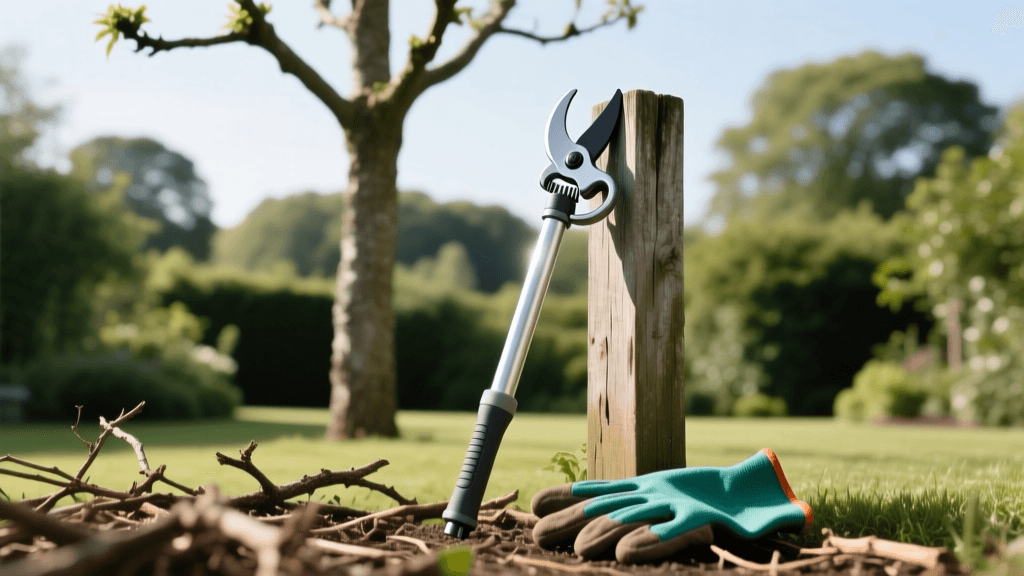
The Ultimate Pole Pruner Guide For Tall Tree Pruning
Introduction to High Canopy Tree Care
Maintaining the health and structural integrity of mature shade trees and tall ornamental species requires regular pruning. However, reaching branches that are 12 to 20 feet off the ground presents a unique challenge for homeowners. While it might be tempting to climb a ladder with a standard hand pruner or a small chainsaw, doing so is incredibly dangerous and often leads to severe accidents or improper cuts that damage the tree. This is where a high-quality pole pruner becomes an indispensable piece of tree care equipment.
A pole pruner allows you to safely stand on the ground while extending your reach into the upper canopy. Whether you are removing deadwood, thinning out crossed branches to improve airflow, or shaping the crown, the right tool makes the job efficient and safe. According to the Arbor Day Foundation, proper pruning techniques are vital for promoting strong branch unions and preventing the spread of decay, which means having precise control over your cutting tool is non-negotiable.
Why Ditch the Ladder? Safety First
The leading cause of homeowner injury during tree trimming is falling from ladders while handling sharp, heavy, or motorized cutting tools. When you combine the instability of a ladder with the shifting weight of a falling branch, the risk of a catastrophic accident skyrockets. Furthermore, leaning a ladder against the very tree you are pruning can damage the bark and cambium layer, creating entry points for pests and fungal pathogens. By investing in a reliable pole pruner, you keep both feet firmly planted on the ground, maintaining a stable center of gravity and a clear escape path should a heavy limb fall unexpectedly.
Types of Pole Pruners for Every Homeowner
The market offers several variations of pole pruners, each designed for specific workloads, branch diameters, and user preferences. Understanding the differences will help you select the best equipment for your landscape.
Manual Pole Pruners
Manual pole pruners rely on a pulley system and a pull rope to close the cutting blade. Brands like Fiskars and Corona offer excellent manual models that feature a bypass blade for clean cuts on live wood, often paired with a detachable 12-to-15-inch pruning saw blade for thicker limbs. These tools are lightweight, virtually maintenance-free, and cost between $40 and $90. However, they require significant upper body strength and can be tiring to use for extended periods, especially when repeatedly pulling the rope to sever dense hardwood branches.
Cordless Battery-Powered Pole Pruners
Cordless models have revolutionized residential tree care. Powered by 40V to 80V lithium-ion batteries, these tools typically feature a mini chainsaw head with an 8-inch to 10-inch guide bar. Brands like Sun Joe, Greenworks, and EGO offer cordless pole pruners that provide the power of a gas saw without the noise, fumes, or pull-start frustrations. They are ideal for cutting branches up to 6 inches thick and generally cost between $150 and $300. The primary limitation is battery runtime, which usually lasts 30 to 45 minutes per charge.
Gas-Powered Commercial Grade Pruners
For large properties, heavy-duty storm cleanup, or professional arborists, gas-powered pole pruners are the gold standard. Models like the Stihl HT 135 or Husqvarna 525PT5S feature 25cc to 30cc engines that deliver relentless torque and unlimited runtime (as long as you have fuel). They easily slice through 8-inch limbs and can be fitted with various attachments, such as hedge trimmers or edgers. The trade-offs are significant weight (often exceeding 15 pounds), high noise levels, exhaust emissions, and a premium price tag ranging from $400 to over $700.
Corded Electric Models
Corded electric pole pruners are a budget-friendly option, typically priced between $80 and $130. They offer consistent, uninterrupted power and are lighter than battery or gas models. However, you are tethered to an extension cord, which severely limits your mobility and creates a tripping hazard or the risk of accidentally cutting the power line if you are not extremely careful.
Comprehensive Pole Pruner Comparison Chart
To help you weigh your options, review the comparison table below detailing the core specifications of each pole pruner category.
| Power Source | Max Reach | Weight | Cutting Capacity | Average Cost |
|---|---|---|---|---|
| Manual (Rope/Pulley) | 12 - 16 Feet | 3 - 6 lbs | 1.5" (Blade) / 5" (Saw) | $40 - $90 |
| Cordless Battery (40V-80V) | 10 - 14 Feet | 8 - 12 lbs | 6 - 8 Inches | $150 - $300 |
| Gas-Powered (25cc-30cc) | 12 - 16 Feet | 14 - 18 lbs | 8 - 10 Inches | $400 - $700+ |
| Corded Electric | 8 - 12 Feet | 7 - 10 lbs | 6 - 8 Inches | $80 - $130 |
Essential Features to Evaluate Before Purchase
Beyond the power source, several design elements dictate how user-friendly and effective a pole pruner will be in the field.
Telescoping vs. Fixed Length Poles
Telescoping poles are highly recommended for most homeowners. They allow you to adjust the reach from 8 feet up to 14 feet without needing to swap out pole sections. Look for poles constructed from fiberglass or reinforced aluminum, which offer a balance of rigidity and lightweight handling. Fixed-length poles are generally found on commercial gas models and require manual attachment of extension shafts, which can be cumbersome but offer superior structural stability under heavy loads.
Cutting Head Mechanisms: Bypass vs. Anvil
If you are purchasing a manual pole pruner or a lopping attachment, pay attention to the blade design. Bypass blades operate like scissors, with two curved blades passing each other to create a clean, precise cut that heals quickly. Anvil blades feature a single straight blade that crushes the branch against a flat base. While anvil pruners generate more crushing force for dead wood, they can damage live tissue and invite disease. Always use bypass blades for live canopy pruning.
Saw Blade Attachments and Bar Lengths
For branches exceeding 2 inches in diameter, a standard pruning blade will struggle. Ensure your tool includes a saw blade attachment. For manual tools, a 14-inch tri-cut saw blade with impulse-hardened teeth will slice through thick limbs with minimal binding. For powered models, an 8-inch or 10-inch Oregon guide bar is standard and provides ample cutting surface for most residential canopy maintenance.
Proper Pruning Techniques for Tall Branches
Having the right equipment is only half the battle; applying the correct technique ensures the tree heals properly and prevents hazardous timber drops. The University of Minnesota Extension strongly advocates for targeted pruning methods that protect the branch collar and prevent bark tearing.
The Three-Cut Method Explained
When removing heavy, thick branches high in the canopy, never attempt to slice through the entire limb in one pass. The weight of the branch will cause it to snap and peel the bark down the trunk as it falls. Instead, use the three-cut method:
- Cut 1 (The Undercut): Make a shallow notch on the underside of the branch, about 12 inches away from the trunk. This severs the bark and prevents tearing.
- Cut 2 (The Relief Cut): Move two inches further out from the undercut and slice completely through the top of the branch. The heavy limb will fall away cleanly.
- Cut 3 (The Final Collar Cut): Carefully remove the remaining 12-inch stub by cutting just outside the branch bark ridge and branch collar, allowing the tree to seal the wound naturally.
Safety Warning: Never operate a pole pruner directly overhead. Always stand at an angle to the branch you are cutting so that gravity pulls the falling timber away from your body and head.
Timing Your Pruning Cuts
For most deciduous shade trees, late winter or early spring while the tree is dormant is the ideal time for major structural pruning. The lack of foliage provides clear visibility into the canopy, and the tree will quickly initiate its healing process once spring growth begins. Avoid pruning in late summer, as this can stimulate tender new growth that will be killed by the first autumn frost.
Tool Sanitization and Maintenance
Tree care equipment requires diligent maintenance to ensure longevity and prevent the cross-contamination of fungal and bacterial diseases between trees. According to Penn State Extension, sanitizing your pruning tools is a critical step often overlooked by homeowners.
After pruning a diseased tree, or before moving to a healthy specimen, wipe down the cutting blades with a solution of 70% isopropyl alcohol or a 10% bleach solution. For powered pole pruners, regularly check the chain tension, sharpen the cutting teeth with a round file, and ensure the automatic oiler is filled with high-quality bar and chain oil. Manual pruners should be disassembled annually to remove sap buildup, and the pivot points should be lubricated with a dry PTFE or silicone spray to keep the pulley system operating smoothly.
Final Thoughts on Tree Care Equipment
Investing in a high-quality pole pruner transforms a daunting, dangerous chore into a manageable and rewarding aspect of landscape stewardship. By carefully evaluating your property size, the thickness of the branches you need to manage, and your physical comfort with different power sources, you can select a tool that will serve you for decades. Remember to prioritize safety, respect the biology of the tree through proper cutting techniques, and maintain your equipment meticulously to ensure your tall trees remain healthy, beautiful, and structurally sound for years to come.